-
We detected your language preference as English. Would you like to switch to the English version for a better experience?
Switch to English
Stay here




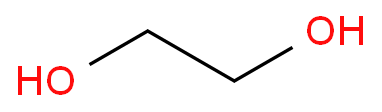
MiraLax, the brand name for polyethylene glycol (PEG), has the chemical formula C2nH4n+2On+1 and CAS number 25322-68-3. It acts similarly to fiber laxatives, as it draws water into the stool, making it softer and easier to pass. MiraLax also stimulates more frequent bowel movements and has been found to cause less gas and bloating than other osmotic laxatives.
Polyethylene Glycol is a laxative sold under various trade names, including MiraLAX?, ClearLax?, GaviLAX?, GlycoLax?, and Purelax?. It is available over-the-counter without a doctor's prescription, making it a popular choice for those seeking relief from constipation.
The key difference between MiraLax and other forms of polyethylene glycol lies in the specific formulations and concentrations used. MiraLax is specifically designed for ease of use and effectiveness in treating occasional constipation, while polyethylene glycol in its various forms can be used for a wider range of bowel preparation needs.

Both compounds share a common synthesis pathway but differ in their intended applications and formulations. MiraLax is specifically optimized for gastrointestinal use, while polyethylene glycol has broader industrial and medical applications.
MiraLax and polyethylene glycol (PEG) each play essential roles in digestive health, particularly in managing constipation. Their distinct properties cater to different needs, making them suitable for a variety of applications in both home and clinical settings.

MiraLax is commonly recognized for its effectiveness in treating occasional constipation, thanks to its gentle action. By drawing water into the stool, it softens the contents, allowing for easier and more comfortable passage. This makes MiraLax a preferred option for those who wish to avoid the harsh side effects often associated with stronger laxatives, such as cramping or urgency. It is especially advantageous for individuals seeking prompt relief, such as before a medical procedure or following dietary adjustments, as it provides a quick and reliable solution.
In addition to its efficacy, MiraLax has a low incidence of side effects like gas and bloating, making it an ideal choice for sensitive individuals. Its user-friendly formulation, which can be easily mixed with beverages like Gatorade for bowel preparation, enhances patient adherence. This palatability and convenience solidify MiraLax's reputation as an effective and patient-friendly solution for managing occasional constipation.
On the other hand, polyethylene glycol serves a broader range of applications beyond just a laxative, particularly in medical contexts. It is frequently used for bowel preparation prior to procedures such as colonoscopies. PEG's ability to retain large volumes of fluid makes it exceptionally effective for cleansing the bowel, ensuring that the intestinal tract is clear for optimal visibility during examinations. This property is vital for maintaining the safety and efficacy of diagnostic procedures, providing healthcare professionals with the confidence to conduct thorough assessments.
Moreover, polyethylene glycol is utilized as an excipient in pharmaceutical formulations, highlighting its versatility. Its solubility and stability make it an ideal agent for drug delivery systems, facilitating the effective dispersion of medications. Additionally, PEG is incorporated into cosmetic products for its moisture-retaining characteristics, further expanding its utility beyond digestive health. This multifunctionality underscores the significance of polyethylene glycol in various sectors, including medical and consumer products, showcasing its importance in enhancing healthcare outcomes and product formulations.
In summary, while MiraLax specifically targets occasional constipation relief and is designed for patient-friendly use, polyethylene glycol serves a broader array of applications, ranging from bowel preparation to pharmaceutical use. Each compound offers unique benefits tailored to different health needs, but both are essential in promoting digestive health and overall well-being. The choice between MiraLax and polyethylene glycol should depend on individual requirements, such as the need for immediate relief from constipation or preparation for medical procedures.
| Side Effect |
MiraLax |
Polyethylene Glycol |
|---|---|---|
| Digestive Issues | Rare, but may cause mild bloating or upset stomach | Common, can cause diarrhea, cramps, or nausea in some individuals |
| Low Blood Pressure | Possible, may cause dizziness or lightheadedness | Possible, may cause dizziness or lightheadedness |
| Dehydration | Unlikely to cause dehydration | Can cause dehydration due to its laxative effect, especially with excessive use |
| Kidney Strain | Rare, but caution is advised in individuals with kidney conditions | Risk of kidney strain, particularly with prolonged use or in those with preexisting kidney issues |
| Allergic Reactions | Rare, could include rash, itching, or swelling | Rare, could include rash, itching, or difficulty breathing |
When choosing between MiraLax and polyethylene glycol for your digestive health, it's essential to consider your specific needs, lifestyle, and any digestive sensitivities you may have. MiraLax is often recommended for individuals seeking relief from occasional constipation due to its gentle action and effectiveness. It draws water into the stool, making it softer and easier to pass, which can be particularly beneficial for those looking for a non-irritating option. This makes MiraLax a favorable choice for those who need quick relief without experiencing severe side effects such as diarrhea or cramping.
In contrast, polyethylene glycol in its various forms serves multiple purposes. While it is equally effective for treating constipation, it is commonly used in medical settings for bowel preparation before procedures. Depending on your health goals—whether you seek regular digestive support or specific preparation for a medical examination—polyethylene glycol might be a suitable option. However, this form can lead to dehydration and is more likely to induce side effects like abdominal discomfort in some individuals.
Ultimately, if you're looking for gentle and effective relief from occasional constipation, MiraLax is often the superior choice. Conversely, if your needs are related to preparing for medical tests or you require a laxative that may act more quickly in large quantities, polyethylene glycol could be the better option. Always consider your personal comfort and consult with a healthcare provider to choose the right product for your health needs and conditions.
*For optimal results and to ensure that you are taking the appropriate form and dosage, it is highly recommended to follow the guidance of your healthcare provider. They can help you determine the most suitable option based on your specific health requirements and any underlying medical conditions.
If you're looking to purchase these compounds or explore similar chemical options, Guidechem is your go-to platform for sourcing high-quality raw materials and reliable suppliers. With our extensive global network, we connect you to a wide range of Polyethylene Glycol suppliers, ensuring you find the right products to meet your specific research or production requirements. Whether you're in pharmaceuticals, food additives, or other industries, Guidechem simplifies the sourcing process, offering verified supplier information, competitive pricing, and seamless communication.
[1]Clinical Guidelines for Laxative Use and Bowel Preparation by M. T. Smith.
[2]The Mechanisms and Efficacy of Polyethylene Glycol in Constipation Management in The American Journal of Gastroenterology.
[3]Comparative Effectiveness of Polyethylene Glycol and Other Laxatives in British Medical Journal.
[4]Pharmaceutical Applications of Polyethylene Glycol by J. D. Lee.
 |
|
 |
 |
 |
 EN
EN
 Agricultural News
 Food News
 Industrial News
 Cosmetic News
 Pharmaceutical News
 Science News

 4YRS
4YRS


