-
We detected your language preference as English. Would you like to switch to the English version for a better experience?
Switch to English
Stay here



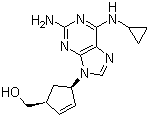
An exploratory analysis from a large international clinical trial, primarily funded by the National Institutes of Health (NIH), has found that the antiretroviral drug (ARV) abacavir is associated with an increased risk of major adverse cardiovascular events (MACE) in individuals with HIV. The findings, which will be presented at the 2024 International AIDS Conference (AIDS 2024) in Munich, Germany, suggest that abacavir users face a significantly higher risk of cardiovascular issues compared to those who do not use this drug. No similar increase in MACE risk was observed with other ARVs included in the study.

Transmission electron micrograph of HIV-1 virus particles (teal) budding and replicating from a segment of a chronically infected H9 cell (tan). Image captured at the NIAID Integrated Research Facility in Fort Detrick, Maryland.NIAID
The Randomized Trial to Prevent Vascular Events in HIV (REPRIEVE) involved 7,769 participants from 12 countries. The trial demonstrated that daily use of a cholesterol-lowering statin significantly reduced the risk of major adverse cardiovascular events, such as heart attacks and strokes, by over one third. The study also analyzed whether specific ARVs were linked to MACE risk. The ARVs studied included abacavir, tenofovir, zidovudine, stavudine, and various protease inhibitors (PIs). All participants were on multi-drug ART regimens and had low-to-moderate cardiovascular disease risk at the study’s outset.
Of the study participants, 22% reported prior use of abacavir, 86% had used tenofovir, 49% had used zidovudine or stavudine, and 47% had used PIs. At the beginning of the study, 13% were taking abacavir, 61% were on tenofovir, 10% were using zidovudine or stavudine, and 26% were on PIs. The analysis revealed that participants with prior or current use of abacavir had a 50% and 42% increased risk of MACE, respectively, compared to those with no abacavir exposure. No similar increase in MACE risk was observed with the other ARVs. The study's authors note that these findings corroborate earlier research linking abacavir with heightened cardiovascular risk and emphasize the need for further investigation into how these results interact with other known cardiovascular risk factors, such as dyslipidemia, diabetes, and hypertension.
CJ Fichtenbaum et al. "Abacavir is associated with elevated risk for cardiovascular events in the REPRIEVE trial." International AIDS Conference. Friday, July 26, 2024.
Data Source: https://www.nih.gov/news-events/news-releases/exploratory-analysis-associates-hiv-drug-abacavir-elevated-cardiovascular-disease-risk-large-global-trial
 |
 |
 |
 EN
EN
 Agricultural News
 Food News
 Industrial News
 Cosmetic News
 Pharmaceutical News
 Science News


 6YRS
6YRS

