-
We detected your language preference as English. Would you like to switch to the English version for a better experience?
Switch to English
Stay here



Sodium bromide is a white granular salt, closely resembling its relative sodium chloride or common table salt. Sodium bromide is a steadfast ally in the realm of pool maintenance, effectively maintaining the cleanliness and disinfection of pool water. In the intricate ecosystem of a swimming pool, sodium bromide plays a crucial role as a potent disinfectant, providing reliable defense against bacterial and algal invasions. This article aims to elucidate the indispensable functions of sodium bromide in pool care, delineating its efficacy in maintaining pristine water conditions and fostering a safe and enjoyable swimming environment.
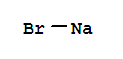
Sodium bromide is an inorganic salt compound with the chemical formula NaBr, also known as sodium bromide. It exists as colorless cubic crystals or white granular powder, readily soluble in water, with the resulting solution being neutral. In daily life, sodium bromide finds applications in various fields such as perfumery, dyeing, pharmaceuticals, and photography.
Sodium bromide is widely used in the medical field for treating cardiovascular and skin diseases. Additionally, it plays significant roles in the photosensitive industry, medicine, and fragrance industry. The production of sodium bromide involves mainly industrial and other methods, with the industrial method involving the addition of slight excess bromine to a hot saturated solution of sodium hydroxide, forming a mixture of bromides and bromates, which is then mixed with carbon powder and heated to reduce bromates to bromides.
Sodium bromide used in pools, also known as sodium bromide for pools, is a chemical agent used to treat pool water quality. It effectively eliminates bacteria and fungi from pool water, making it cleaner and more hygienic, while also reducing the pool's odor and corrosiveness, thus providing a more comfortable swimming environment.

Sodium bromide has never been an easy solution for homeowners to maintain residential swimming pools. It incurs additional costs, adds complexity, and masks underlying issues, which could worsen if mishandled. Sodium bromide's popularity stems from the high levels of cyanuric acid present in many people. Sodium bromide can help introduce some disinfectants into the pool, even if your cyanuric acid levels are high. By doing so, you not only address the current issue but also tackle many future ones.
Sodium bromide can be conveniently used in pools serviced only once a week as a quick fix for potential problems. In such cases, it does have its utility. Adding sodium bromide to a chlorine pool essentially turns it into a bromine pool. If sodium bromide is added to a swimming pool or spa, it combines with chlorine to form bromine. Bromine acts as a disinfectant, and when bromine disinfects, it forms bromamines (similar to chloramines). When any future chlorine products are added, bromamines revert back to bromine and the cycle repeats. Ultraviolet (UV) light from the sun breaks down bromine into bromide salts. Then, any oxidizer, including chlorine, reactivates (oxidizes) it back to bromine.
Sodium bromide offers multiple benefits, making it a popular choice for pool owners seeking pristine waters. One standout advantage is its ability to provide crystal-clear water. Sodium bromide effectively inhibits algal growth, keeping the pool water clear and bright, enhancing overall aesthetic appeal.
Sodium bromide is renowned for its superior disinfection capabilities. Unlike traditional chlorine-based treatments, sodium bromide possesses potent antibacterial properties, excelling in eliminating harmful pathogens. This enhanced sanitation not only protects swimmers from waterborne diseases but also minimizes the need for frequent chemical adjustments, streamlining pool maintenance procedures.
Sodium bromide exhibits lasting effects, aiding in prolonging the lifespan and stability of pool water quality. Once introduced into the pool environment, sodium bromide forms a bromine reservoir, a potent disinfectant that persists for extended periods. This sustained efficacy ensures continuous protection against contaminants, prolonging intervals between chemical treatments. Furthermore, the stability of sodium bromide minimizes fluctuations in water chemistry, providing users with a balanced and comfortable swimming experience.
In recent years, an increasing number of pools have opted for sodium bromide disinfection to ensure water quality safety. However, is the use of sodium bromide safe for pools? Let's explore the safety guidelines for sodium bromide use and debunk common misconceptions about its safety.
Sodium bromide is indeed a safe disinfectant. While sodium bromide may have a strong odor, its toxicity and corrosiveness are lower compared to the potential issues of inadequate chlorine disinfection, which may lead to substandard residual chlorine levels, potential poisoning, and the generation of carcinogenic byproducts.
How do I add sodium bromide to my pool? When using sodium bromide, several key points need to be observed:
(1) Follow the correct usage method. Generally, 0.1-0.3 grams of sodium bromide per liter of water is required. Additionally, to ensure disinfection effectiveness, the pool should be left unused for 1-2 hours after adding sodium bromide.
(2) Maintain stable concentrations and dosages of sodium bromide. Deviations in concentration, whether too high or too low, may affect disinfection effectiveness.
(3) During transportation and storage of sodium bromide, ensure containers are tightly sealed and kept away from flammable materials, alkalis, and reactive metal powders. Storage temperature should not exceed 30°C, with relative humidity not exceeding eighty-five percent, and keep away from sources of ignition and heat. Vehicles should be equipped with emergency leakage handling equipment, and exposure to sunlight, rain, and high temperatures should be avoided during transportation.
It's worth noting that pool safety depends not only on the choice of disinfectants but also on other measures to ensure swimmers' safety, such as regular water changes, maintaining clear pool water, and enhancing the safety awareness of management personnel.
Incorporating sodium bromide into daily pool maintenance can significantly enhance the effectiveness of your pool care regimen. Sodium bromide is an effective disinfectant that can efficiently kill bacteria and algae in water, thus maintaining the pool's pristine conditions. By regularly incorporating sodium bromide into your routine maintenance, you establish a proactive approach to water treatment, preventing harmful pollutants from accumulating before they become problematic. This preventive measure not only ensures pool cleanliness but also minimizes the need for reactive treatments, ultimately saving you time and resources in the long run.
When addressing common issues in sodium bromide pools, a systematic approach is crucial for effective problem-solving. A common challenge is maintaining optimal bromide levels in the water. Regular testing and adjustment of bromide levels can help address this issue, ensuring your pool remains adequately disinfected. Additionally, addressing any potential sources of contamination, such as organic debris or improper filtration, can help alleviate issues associated with sodium bromide treatment. By remaining vigilant and proactive in maintenance efforts, you can enjoy a sparkling clean pool year-round while avoiding common pitfalls associated with sodium bromide treatment.
When considering pool disinfection options, comparing sodium bromide to chlorine reveals distinct advantages and disadvantages. Chlorine has long been the standard choice for pool hygiene due to its affordability and rapid action against bacteria and algae. Sodium bromide provides several key benefits compared to chlorine. Unlike chlorine, sodium bromide does not produce strong chemical odors or irritating byproducts, providing a more enjoyable swimming experience for users. Additionally, sodium bromide exhibits superior stability in high temperatures and sunlight compared to chlorine, which may degrade more quickly. However, sodium bromide may require longer activation times to achieve full effectiveness, necessitating careful planning and monitoring of water chemistry.
In addition to sodium bromide and chlorine, there are several other pool disinfection options, each with its unique characteristics and applications. For example, bromine shares similarities with chlorine in disinfection properties but offers greater stability over a wider pH range, making it suitable for spa and hot tub environments. Ozone and UV-C systems utilize advanced technologies to disinfect pool water by breaking down organic contaminants and destroying pathogens without the need for chemical additives. While these alternatives may offer specific advantages in certain circumstances, sodium bromide remains dominant in pool sanitation due to its proven effectiveness, ease of use, and widespread availability. It provides lasting disinfection while minimizing adverse effects on swimmers and the environment, solidifying its position as the preferred choice for maintaining clean and safe swimming pools.
Environmental impact and sustainability are significant challenges facing the world today. Regarding the environmental characteristics of sodium bromide, its widespread use in industry brings numerous conveniences to society, such as in the photosensitive industry, medicine, fragrance industry, and textile industry. However, sodium bromide may have certain environmental impacts in practical use. Therefore, can the sustainable pool maintenance practices using sodium bromide effectively reduce its environmental impact?
First, we need to assess the environmental footprint of sodium bromide. Sodium bromide is a colorless cubic crystal or white granular powder, readily soluble in water. In the preparation of sodium bromide, sulfuric acid reacts with sodium bromide to generate free bromine, which then undergoes substitution reactions with ethanol to yield ethyl bromide. These reactions consume significant amounts of energy and resources and may generate pollutants such as wastewater and exhaust gases. Additionally, sodium bromide may easily absorb moisture and clump in the air, causing environmental impacts.
Second, we can explore sustainable pool maintenance practices using sodium bromide. In practice, we can efficiently utilize sodium bromide by controlling the concentration of bromine in wastewater between 10% and 50% mass fraction through the amount of sulfuric acid and the dropping temperature. By doing so, effective utilization of sodium bromide can be achieved. Additionally, we can enhance cleaning and recycling efforts during sodium bromide use, such as recycling solid sodium bromide and wastewater, to reduce the environmental footprint of sodium bromide.
Sodium bromide, an inorganic salt, exists as colorless cubic crystals or white granular powder, readily soluble in water. Sodium bromide plays a significant role in pool maintenance, particularly in maintaining water cleanliness and disinfection. The cleansing efficacy of sodium bromide primarily lies in its impurity removal capability. Its solubility in water enables it to effectively remove various impurities in pool water, such as algae, oils, and flakes. These impurities may affect water clarity and hygiene, thus by using sodium bromide, pool water quality can be effectively improved. Additionally, sodium bromide exhibits remarkable disinfection effects. It can kill microorganisms such as bacteria and viruses in water through oxidation, effectively preventing pool water pollution and disease transmission. Therefore, using sodium bromide for pool maintenance ensures the safety and hygiene of pool water, allowing swimmers to enjoy worry-free swimming.
In conclusion, the role of sodium bromide in pool maintenance cannot be overlooked. It not only effectively cleans pool water but also acts as a disinfectant, ensuring the safety and hygiene of pool water. Therefore, when choosing pool chemicals, pool managers should prioritize sodium bromide as an efficient and safe product.
[1] https://www.unitedchemical.com/the-science-of-sodium-bromide/
[2] https://www.troublefreepool.com/wiki/index.php?title=Sodium_Bromide
[3] https://en.wikipedia.org/wiki/Sodium_bromide
 |
 |
 |
|
|
 |
 EN
EN
 Agricultural News
 Food News
 Industrial News
 Cosmetic News
 Pharmaceutical News
 Science News

 6YRS
6YRS

