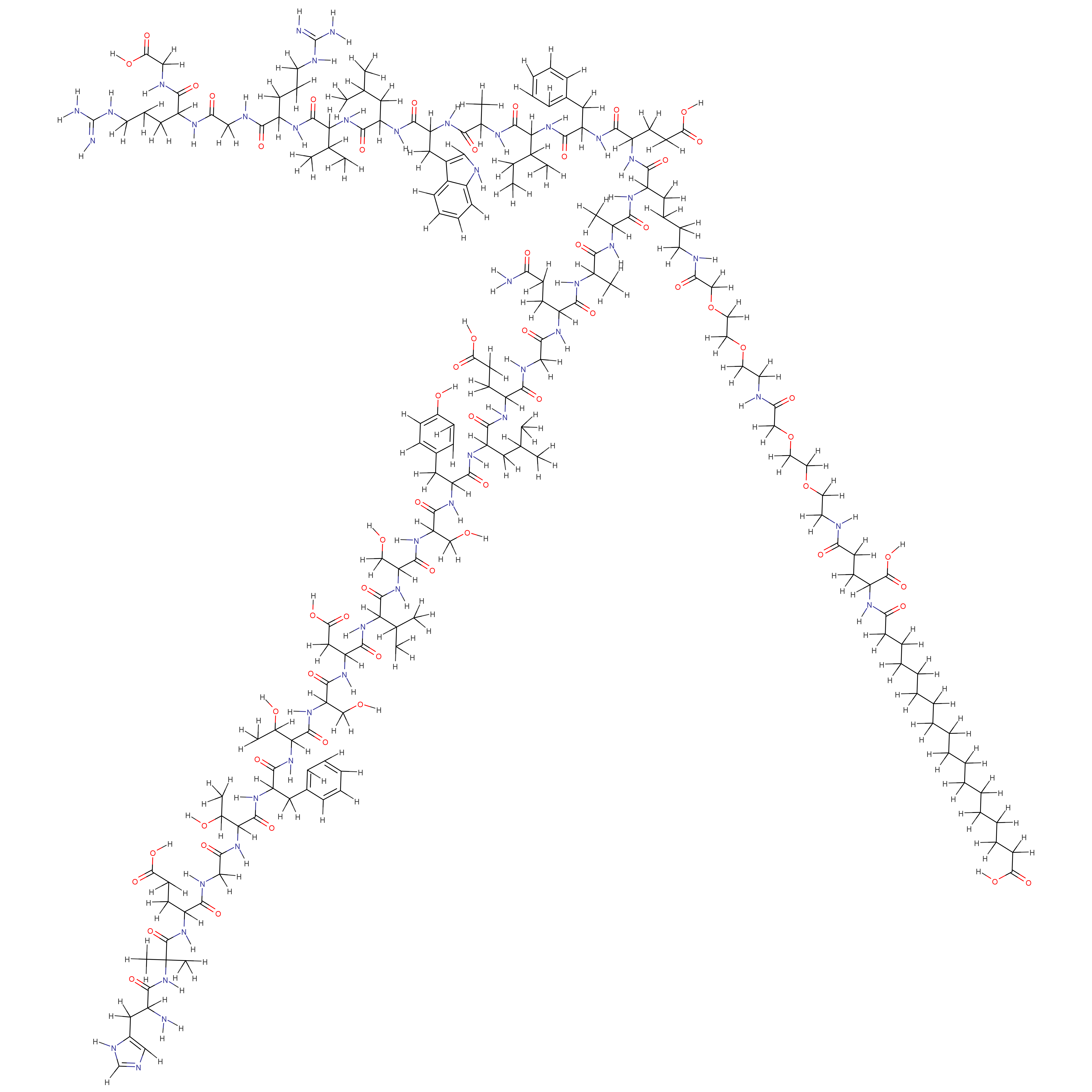
An analysis funded by the National Institutes of Health (NIH) has discovered that semaglutide, a medication endorsed by the U.S. Food and Drug Administration for treating obesity and type 2 diabetes, is linked to a significantly lower risk of suicidal ideation compared to other medications for these conditions. The study, published in Nature Medicine and co-led by researchers from Case Western Reserve University and the National Institute on Drug Abuse (NIDA), reveals that patients treated with semaglutide had a 49% to 73% lower risk of experiencing suicidal thoughts than those given alternative medications. This finding challenges anecdotal reports suggesting a connection between semaglutide use and increased suicidal ideation.
Examining the Data
Researchers analyzed electronic health records from 240,618 obese or overweight patients and 1,589,855 patients with type 2 diabetes who were prescribed semaglutide or other medications between specific time frames. The study cohorts were well-matched in terms of demographic characteristics, medical history, and prior suicidal ideation and behavior. Tracking the patients' medical histories over six months post-prescription, the study found that those prescribed semaglutide had notably lower risks of both first-time and recurrent suicidal ideation compared to those prescribed other medications.
Key Findings
In the obesity cohort, semaglutide prescription was associated with a 0.11% risk of first-time suicidal ideation and approximately a 7% risk of recurrent ideation, compared to 0.43% and 14%, respectively, for those prescribed other weight loss medications. Similarly, in patients with type 2 diabetes, semaglutide use was linked to a 0.13% risk of first-time suicidal ideation and 10% for recurrent ideation, as opposed to 0.36% and 18%, respectively, for other diabetes medications. Moreover, semaglutide showed a lower risk of first-time suicidal ideation even over longer follow-up durations, up to three years.
Future Implications
The authors stress that their findings do not support concerns of increased suicidal risk associated with semaglutide but highlight the necessity for a more comprehensive evaluation of reported cases. They recommend further studies to assess potential longer-term associations of semaglutide with suicidal ideations, particularly in at-risk populations, and to explore any connections between semaglutide use and suicide attempts. The study's authorship was supported by various institutes at the NIH, including the National Institute on Aging, the National Institute on Alcohol Abuse and Alcoholism, and the National Cancer Institute.




 EN
EN
 Agricultural News
 Food News
 Industrial News
 Cosmetic News
 Pharmaceutical News
 Science News

 1YR
1YR


