-
We detected your language preference as English. Would you like to switch to the English version for a better experience?
Switch to English
Stay here



BASF is exploring CO2-neutral production of bio-based fumarate using bacteria found in cow stomachs. The company is coordinating a joint research project with universities in Saarland, Marburg, and Kaiserslautern.

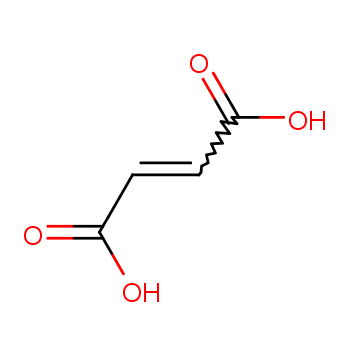
A bacterium isolated from the rumen of a Holstein cow utilizes sugar and CO2 to produce fumarate, an important chemical industry building block. BASF aims to utilize the bacterium Basfia succiniciproducens to convert sugar and carbon dioxide into fumaric acid, collaborating with Saarland University, University of Marburg, and the University of Kaiserslautern-Landau in the FUMBIO (FUMars?ure BIObasiert) research project.
The genetically modified bacterium will produce large quantities of bio-based fumaric acid during fermentation. This intermediate enables BASF to manufacture various products with a low carbon footprint, including additives for food and animal feed, medication starting materials, and building blocks for polymers and detergents.
Dr. Barbara Navé, head of the FUMBIO project at BASF, states, "We want to optimize the fermentation process so that bacteria use renewable raw materials like sugar and carbon dioxide to produce as much fumarate as possible." The project also focuses on refining fumarate into biodegradable industrial products through enzymatic processes.
Fumaric acid, a common intermediate in nature, has traditionally been produced from fossil-based raw materials. The FUMBIO project will assess the CO2 footprint of bio-based fumarate and compare it with petrochemical-based production. BASF and partners anticipate a significantly lower carbon footprint, thanks to the use of CO2 as a raw material.
Carbon dioxide from exhaust gas streams at chemical plants will be utilized by the bacteria alongside sugar. Dr. Navé emphasizes, "Carbon dioxide is an important raw material for us. Recycling CO2 from industrial off-gas will help reduce emissions and achieve climate targets."
Biotechnology processes, particularly fermentation using microorganisms like bacteria, will play a vital role in the chemical industry's shift towards sustainability. Dr. Navé highlights, "White biotechnology will enable us to offer a wider range of bio-based products with a low carbon footprint."
Data Source: https://www.basf.com/global/en/media/news-releases/2024/06/p-24-208.html
 |
 |
 |
 EN
EN
 Agricultural News
 Food News
 Industrial News
 Cosmetic News
 Pharmaceutical News
 Science News

 1YR
1YR

