-
We detected your language preference as English. Would you like to switch to the English version for a better experience?
Switch to English
Stay here




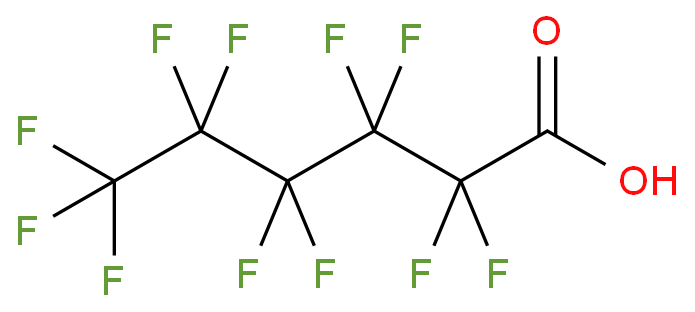
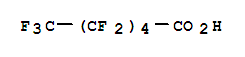
The European Commission has announced the adoption of new measures under the REACH Regulation to safeguard human health and the environment by restricting the use of undecafluorohexanoic acid (PFHxA) and its related substances. These per- and polyfluoroalkyl substances (PFAS) are characterized by their persistence and mobility in water, leading to unacceptable risks when utilized in certain products.
The newly established restrictions specifically target applications where risks are inadequately controlled, alternatives are accessible, and the socio-economic costs of implementing these changes are limited in comparison to the health and environmental benefits. The ban will apply to consumer textiles, such as rain jackets; food packaging, including pizza boxes; consumer mixtures like waterproofing sprays; cosmetic products; and some firefighting foam applications for training and testing. Notably, the restriction does not extend to other applications of PFHxA, such as in semiconductors, batteries, or fuel cells for green hydrogen.
This restriction marks a significant advancement in efforts to reduce PFAS emissions, as PFHxA has frequently been used as a substitute for the already banned perfluorooctanoic acid (PFOA). It is grounded in the scientific evaluations conducted by the European Chemicals Agency's (ECHA) committees and has successfully passed the scrutiny of both the European Parliament and the Council.
The PFHxA restriction will come into effect 20 days following its publication in the Official Journal, with transitional periods ranging from 18 months to 5 years depending on the specific use, allowing industries time to adopt safer alternatives.
PFAS, often referred to as "forever chemicals," are resistant to breakdown in the environment and have been widely used in industrial processes and consumer products. The EU has increasingly addressed PFAS contamination over the past two decades, aligning its actions with the Chemicals Strategy for Sustainability. The Commission emphasizes the importance of considering available alternatives for PFAS, ensuring that actions taken support the transition toward a greener and more digital economy while maintaining the competitiveness of European industry.
Today's restriction represents another critical step by the Commission to mitigate the risks associated with PFAS under REACH. It is important to note that this action is separate from a potential universal restriction on the entire PFAS group, which the ECHA is currently evaluating following a 2023 proposal from five European governments.
 |
 |
 |
 EN
EN
 Agricultural News
 Food News
 Industrial News
 Cosmetic News
 Pharmaceutical News
 Science News

 4YRS
4YRS

