-
We detected your language preference as English. Would you like to switch to the English version for a better experience?
Switch to English
Stay here




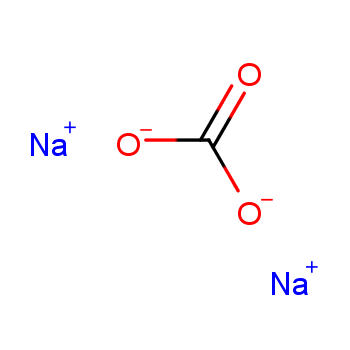
Sodium Carbonate, commonly known as washing soda, with the chemical formula Na2CO3 and CAS number 497-19-8, is a naturally occurring mineral that is highly alkaline with a pH of 11. It is widely used in cleaning, laundry, and industrial applications due to its ability to soften water and act as a powerful degreaser.
Sodium Tetraborate, with the chemical formula Na2B4O7 and CAS number 1330-43-4, is a boron compound that is also highly alkaline, though slightly less so than sodium carbonate. Borax is used in a variety of household and industrial applications, including as a detergent booster and a water softener.
Both sodium carbonate and sodium tetraborate are commonly used in cleaning products and laundry detergents due to their ability to soften water and enhance the effectiveness of detergents. However, they differ in their chemical composition, molecular structure, and specific uses.


Both sodium carbonate and sodium tetraborate have extensive applications in various fields, primarily in cleaning and industrial processes. Their alkaline properties make them effective in water softening and detergent enhancement.

Sodium carbonate, commonly known as soda ash, is a versatile compound widely used in household cleaning products and laundry detergents. Its ability to soften water significantly enhances the effectiveness of detergents, particularly in hard water areas, where mineral buildup can interfere with cleaning. Sodium carbonate is also a powerful degreaser, making it an ideal choice for removing stubborn oil and grease stains from clothing, kitchen surfaces, and even machinery. Due to its high pH, it efficiently breaks down fats and oils, making it a key ingredient in many cleaning formulations aimed at tackling heavy-duty grease.
Beyond household cleaning, sodium carbonate has several industrial applications. One of its most important uses is in the manufacture of glass, where it is employed to lower the melting point of silica. This process makes it easier and more energy-efficient to produce various types of glass, from windows to bottles. Sodium carbonate also plays a crucial role in water treatment processes. It is used to adjust the pH of water, making it more suitable for industrial applications such as cooling systems, chemical production, and water purification. With its broad range of uses, sodium carbonate is an indispensable compound in both everyday household tasks and large-scale industrial operations.
Sodium tetraborate, commonly known as borax, is an incredibly versatile compound with a wide range of applications across various industries. In household cleaning, borax is frequently added to laundry detergents to enhance their cleaning power and neutralize odors. Its effectiveness extends to removing tough stains, softening water, and improving the overall performance of detergents. Borax is also commonly used in surface cleaning, deodorizing carpets, and tackling pest problems, such as eliminating ants and cockroaches. Additionally, it serves as a natural and eco-friendly alternative in many household cleaning routines.
Beyond its domestic uses, borax plays a vital role in industrial processes. In the glass and ceramics industries, it acts as a flux, helping to lower the melting point of raw materials during production. This makes it an essential component in the creation of glass and ceramic products, as well as in the production of fiberglass, a key material in construction, automotive, and insulation industries. Borax is also involved in the manufacturing of fire retardants, which are used to reduce the flammability of materials, and fertilizers, where it provides a source of boron, an essential nutrient for plants. Thus, borax's applications extend far beyond household cleaning, proving invaluable in numerous sectors.
In conclusion, sodium carbonate and sodium tetraborate are both highly effective compounds used in a variety of applications, particularly in cleaning and industrial processes. Sodium carbonate excels in degreasing and water softening, making it an essential component in household cleaning products and glass manufacturing. Sodium tetraborate, on the other hand, is a versatile compound with applications in laundry detergents, surface cleaning, pest control, and industrial processes like glass and fiberglass production. Understanding their unique properties allows for their effective use in both domestic and industrial settings.
| Side Effect |
Sodium Carbonate |
Sodium Tetraborate |
|---|---|---|
| Skin Irritation | May cause irritation, especially on sensitive skin | Rare, but prolonged exposure may cause irritation |
| Respiratory Issues | May cause respiratory issues if inhaled in large amounts | Can cause respiratory issues if inhaled in large amounts |
| Environmental Impact | May be harmful to aquatic life in high concentrations | Environmental impact is less severe, but caution is advised |
| Toxicity | Non-toxic in small amounts, but may be harmful if ingested | Non-toxic, but can cause digestive discomfort if ingested |
If you're looking to purchase these compounds, Guidechem is your go-to platform for sourcing high-quality raw materials and reliable suppliers. With our extensive global network, we connect you to a wide range of Sodium Carbonate suppliers and Sodium Tetraborate suppliers, ensuring you find the right products to meet your specific research or production requirements. Whether you're in pharmaceuticals, food additives, or other industries, Guidechem simplifies the sourcing process, offering verified supplier information, competitive pricing, and seamless communication.
[1]The Chemistry of Cleaning: Detergents and their Applications by J. W. Kline.
[2]Industrial Applications of Sodium Carbonate by T. P. Reed.
[3]Borax in Household Cleaning in Journal of Environmental Chemistry.
[4]Properties and Uses of Borax in Industry in Industrial Chemistry Reviews.
 |
 |
 |
 |
 |
 |
 EN
EN
 Agricultural News
 Food News
 Industrial News
 Cosmetic News
 Pharmaceutical News
 Science News

 1YR
1YR

