
Soda Ash vs Sodium Carbonate: Understanding the Terms
Soda ash, with the chemical formula Na2CO3 and CAS number 497-19-8, is a common industrial chemical. It's the anhydrous (water-free) form of sodium carbonate.
Sodium carbonate, also with the chemical formula Na2CO3 and CAS number 497-19-8, is a general term that encompasses both anhydrous (soda ash) and hydrated forms.
Soda ash and sodium carbonate are essentially the same chemical compound. The key difference between soda ash vs sodium carbonate is primarily one of terminology. “Soda ash” specifically refers to the anhydrous form, while “sodium carbonate” is the broader term that can refer to both anhydrous and hydrated forms.
Synthesis of Soda Ash and Sodium Carbonate
Elemental Composition and Structural Overview
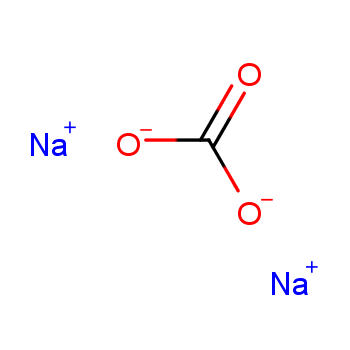
- Soda ash/Sodium carbonate is composed of sodium (Na), carbon (C), and oxygen (O). Its structure consists of sodium ions (Na+) and carbonate ions (CO32-).
Synthesis Methods
- Sodium carbonate (including soda ash) is primarily produced industrially through the Solvay process. This process involves reacting sodium chloride (common salt) with ammonia, carbon dioxide, and water. It can also be mined from natural deposits of trona ore.
The comparison of soda ash vs sodium carbonate reveals that the synthesis process is identical, as soda ash is simply a specific form of sodium carbonate. While both share the same chemical composition (Na2CO3), soda ash is commonly used in industrial applications, whereas sodium carbonate is more widely used in household products.
Applications: Soda Ash vs Sodium Carbonate
As we've established, soda ash and sodium carbonate are essentially the same chemical compound (Na2CO3), with “soda ash” typically referring to the anhydrous (water-free) form. Therefore, their applications largely overlap. However, the specific context and terminology used can vary depending on the industry and application. This expanded section will delve into the diverse uses of sodium carbonate, highlighting where the term “soda ash” is most commonly employed.

Major Industrial Applications of Sodium Carbonate/Soda Ash
- Glass Manufacturing: This is the largest single application of soda ash globally. It acts as a flux in the glassmaking process, lowering the melting point of silica sand (silicon dioxide, SiO2) and facilitating the formation of molten glass at lower temperatures. This not only reduces energy consumption but also improves the workability of the molten glass. Soda ash is crucial in the production of various types of glass, including:
- Container glass (bottles, jars)
- Flat glass (windows, mirrors, automotive glass)
- Fiberglass (insulation, reinforcement in composite materials)
- Specialty glass (laboratory glassware, optical lenses)
- Chemical Manufacturing: Soda ash is a key ingredient in the production of a wide array of other chemicals, serving as a source of sodium ions (Na+). Notable examples include:
- Sodium silicates: Used in detergents, adhesives, and various industrial processes.
- Sodium phosphates: Used in water treatment, detergents, and food processing (though their use in detergents has declined due to environmental concerns).
- Sodium bicarbonate (baking soda): Produced from soda ash through the Solvay process.
- Other sodium compounds: Used in various industrial applications, such as in the textile, paper, and metallurgical industries.
- Detergent and Soap Manufacturing (Industrial Scale): Soda ash is a key builder in detergent formulations. Builders help improve the effectiveness of surfactants (the cleaning agents) by softening water (removing calcium and magnesium ions that can interfere with surfactant action) and maintaining the proper pH for cleaning. This is a significant application for soda ash on an industrial scale. While washing soda can be used in household laundry, soda ash itself plays a crucial role in the manufacturing process.
- Water Treatment: Sodium carbonate is employed in water treatment plants for several purposes:
- pH adjustment: It raises the pH of acidic water, neutralizing its corrosiveness.
- Water softening: It precipitates calcium and magnesium ions, reducing water hardness.
- Other Industrial Applications:
- Metallurgy: Used as a flux in various metallurgical processes, including aluminum production and steelmaking.
- Pulp and paper industry: Used in the pulping process to extract cellulose from wood.
- Textile industry: Used in various textile processing steps, such as dyeing and bleaching.
- Flue gas desulfurization (FGD): Used in some power plants and industrial facilities to remove sulfur dioxide (SO2) from flue gases, reducing air pollution.
Household and Consumer-Level Applications (Often Using Hydrated Forms)
While pure anhydrous soda ash is less common for direct household use due to its strong alkalinity and potential for irritation, hydrated forms like washing soda (sodium carbonate decahydrate) are frequently used. Therefore, these applications are more relevant to the “sodium carbonate” designation within the household context:
- Laundry: Washing soda is a powerful laundry booster. It softens water, allowing detergents to work more effectively, and it helps to remove tough stains like grease, oil, and dirt.
- Household Cleaning: Solutions of washing soda can be used for general cleaning tasks around the house, such as cleaning sinks, tubs, tiles, ovens, and removing baked-on grease.
- Water Softening (Small Scale): In households with hard water, washing soda can be added to laundry or dishwashing water to improve the performance of detergents.
Conclusion
In summary, soda ash and sodium carbonate refer to the same chemical compound (Na2CO3). “Soda ash” specifically denotes the anhydrous (water-free) form, while “sodium carbonate” is a more general term that can refer to both anhydrous and hydrated forms. The soda ash vs sodium carbonate comparison is therefore primarily a matter of terminology and context.
Disadvantages and Considerations of Sodium Carbonate vs Soda Ash
| Consideration |
Soda Ash/Sodium Carbonate |
| Handling |
Can be irritating to skin, eyes, and respiratory tract. Requires appropriate safety measures such as gloves, eye protection, and ventilation, especially in industrial settings. |
| Environmental Impact |
Large-scale production, particularly through the Solvay process, can have environmental impacts related to energy consumption and waste generation. Proper disposal and management of byproducts are essential. |
If you're looking to purchase these compounds, Guidechem is your go-to platform for sourcing high-quality raw materials and reliable suppliers. With our extensive global network, we connect you to a wide range of Sodium Carbonate suppliers and Soda Ash suppliers, ensuring you find the right products to meet your specific research or production requirements. Whether you're in pharmaceuticals, food additives, or other industries, Guidechem simplifies the sourcing process, offering verified supplier information, competitive pricing, and seamless communication.
References
[1] Kirk-Othmer Encyclopedia of Chemical Technology.
[2] Ullmann's Encyclopedia of Industrial Chemistry.
[3] Shreve's Chemical Process Industries by George T. Austin.
[4] Royal Society of Chemistry — ChemSpider.




 EN
EN
 Agricultural News
 Food News
 Industrial News
 Cosmetic News
 Pharmaceutical News
 Science News

 1YR
1YR

