-
We detected your language preference as English. Would you like to switch to the English version for a better experience?
Switch to English
Stay here



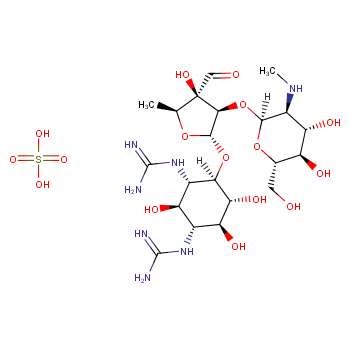
Streptomycin Sulphate is a critical antimicrobial agent used primarily for the treatment of tuberculosis (TB) and other bacterial infections. The Streptomycin Sulphate price has been highly volatile in recent years, influenced by global supply chain issues, shifting demand from pharmaceutical sectors, and geopolitical factors. This article delves into the Streptomycin Sulphate price trend across key regions, offering a thorough analysis of the 2022–2023 market fluctuations, backed by industry data and expert insights.

In North America, Streptomycin Sulphate prices showed significant fluctuations throughout Q4 2022. In November, prices rose by 7.6% to USD 36,115/MT due to limited supply following supply chain interruptions, particularly from China. These disruptions stemmed from the Golden Week holiday and ongoing COVID-related restrictions. However, by December, prices slightly decreased to USD 35,445/MT, as increased imports from China alleviated the supply strain, and demand from downstream pharmaceutical sectors began to soften before the holiday season.
? Expert tip: Buyers looking to lock in favorable prices should monitor global shipping schedules and production halts, especially during holiday periods like Golden Week.
In Q3, Streptomycin Sulphate prices in the US market initially settled at USD 35,650/MT in July. However, by September, prices decreased to USD 33,520/MT. This decline was driven by lower demand as domestic suppliers had sufficient inventory to meet requirements. Additionally, the ongoing disruption in Chinese manufacturing due to COVID-19 had a muted impact on the US market, as stocks were already in place.
? Key takeaway: For procurement managers, stockpiling during periods of low demand can be an effective strategy to mitigate price volatility.
In the Asia-Pacific region, Streptomycin Sulphate prices saw a 5.3% increase in the first half of Q4 2022, reaching USD 33,250/MT in November. The price spike was driven by low inventory levels caused by the suspension of production activities during the Golden Week holidays and continued lockdown measures in Shanghai. However, demand from the downstream pharmaceutical industry began to wane, leading to a price decrease in the second half of the quarter, with prices settling at USD 32,455/MT in December.
? Expert recommendation: Monitor regional production schedules closely. Short-term price increases can be anticipated when manufacturing is paused due to holidays or external factors.
In Q3 2022, Streptomycin Sulphate prices in China fluctuated from USD 30,050/MT in August to USD 31,560/MT in September. The primary factor behind this fluctuation was weak demand from the pharmaceutical industry in the early part of the quarter. This was exacerbated by power shortages and severe weather disruptions affecting Chinese manufacturing. By mid-quarter, as manufacturing resumed, demand began to pick up again, leading to a price rise.
? Insight: Forecasting market shifts in APAC requires close attention to supply disruptions, especially related to energy crises and infrastructure issues.
In Europe, Streptomycin Sulphate prices showed a similar pattern to the US and APAC markets in Q4 2022. The price in Germany rose to USD 37,455/MT in November, driven by reduced imports from China during the Golden Week and subsequent COVID-related restrictions. However, by December, prices fell by 2.4%, reaching USD 36,560/MT due to weakening demand from pharmaceutical and nutraceutical sectors. Retailers in the region also had enough inventory to meet demand, leading to a decrease in prices.
? Actionable advice: European buyers should focus on establishing relationships with reliable suppliers to ensure competitive pricing during periods of low market activity.
The price of Streptomycin Sulphate in Europe followed a downward trajectory in Q3 2022, falling from USD 37,650/MT in July to USD 34,905/MT by September. Factors such as geopolitical instability, particularly the Russia-Ukraine conflict, combined with lockdowns in China, added to supply chain disruptions, which weakened the European market. The pharmaceutical sector's demand also slowed down, leading to lower prices.
? Tip for buyers: When geopolitical tensions rise, consider alternative suppliers to avoid reliance on potentially disrupted markets like Eastern Europe or China.
To successfully navigate the volatile Streptomycin Sulphate market, here are key strategies for buyers:
Monitor global events: Geopolitical instability and natural disasters can significantly impact supply chains and prices.
Leverage bulk purchasing: When prices are low, consider stocking up to hedge against potential price increases due to supply disruptions.
Diversify suppliers: Relying on multiple suppliers from different regions can help mitigate risks associated with regional disruptions.
Stay informed on industry trends: Regularly review market reports and news from reliable sources to anticipate shifts in Streptomycin Sulphate price trends.
As global supply chains continue to stabilize post-pandemic, Streptomycin Sulphate prices are expected to remain dynamic, influenced by factors such as geopolitical tensions, demand fluctuations in the pharmaceutical sector, and changes in raw material costs. By staying informed and adapting procurement strategies accordingly, buyers can better navigate the market and optimize purchasing decisions.
Understanding and anticipating Streptomycin Sulphate price trends is essential for informed decision-making. Leverage these insights to make strategic purchasing choices and avoid price shocks in the coming quarters.
|
 |
|
 |
 EN
EN
 Agricultural News
 Food News
 Industrial News
 Cosmetic News
 Pharmaceutical News
 Science News

 2YRS
2YRS

