-
We detected your language preference as English. Would you like to switch to the English version for a better experience?
Switch to English
Stay here



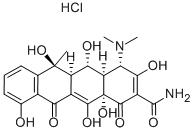
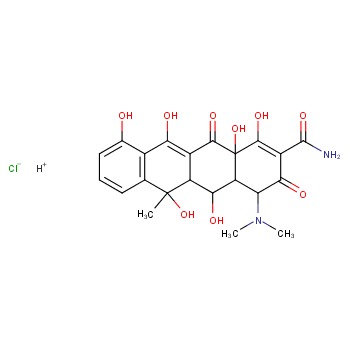
The Oxytetracycline HCL price has been volatile in 2023, influenced by factors such as raw material costs, supply chain disruptions, and shifting demand patterns across major regions. As the global pharmaceutical market adjusts post-pandemic, understanding these price trends is crucial for manufacturers, suppliers, and distributors. This article analyzes key regional price trends, key drivers, and actionable insights for procurement managers and industry stakeholders.

In the North American market, Oxytetracycline HCL price saw a decline of 3.96% in June compared to April 2023 levels. This drop was largely driven by weak demand from end-user industries and an ample supply of Oxytetracycline HCL, particularly from China, which increased its exports to the US.
Key Insight:
The Oxytetracycline HCL price in the US was heavily influenced by the strong US dollar, which made imports from China cheaper and increased the supply of Oxytetracycline HCL in the market, putting downward pressure on prices. Inflation also slowed in the second quarter as the Federal Reserve raised interest rates, further reducing demand for pharmaceutical products.
? Actionable Tip for Buyers:
Given the price fluctuations, purchasing managers should consider locking in prices when supply levels are high, especially during periods of weak demand, to take advantage of lower prices.
Prices for Oxytetracycline HCL surged by over 5% in January 2023, fueled by increased domestic inquiries from the pharmaceutical industry. However, this upward trend was short-lived, with prices falling in March due to a reduction in import momentum and sufficient stockpiles.
Key Insight:
The first quarter saw a temporary increase in demand due to early-year procurement cycles. However, as March approached, weak demand from end-users caused the market to stabilize, bringing prices down again.
In Asia-Pacific, Oxytetracycline HCL price fell by 3.78% in June compared to April. The depreciation of the Chinese yuan against the US dollar signaled a slowdown in the Chinese economy, weakening external demand. In addition, China's manufacturing PMI remained below 50, indicating contraction in the manufacturing sector, which slowed down production in key Oxytetracycline HCL manufacturing facilities.
? Expert Observation:
The weak consumer demand from healthcare and pharmaceutical sectors in China led to fewer new orders, resulting in lower prices. This downward trend was further amplified by the ongoing war in Ukraine, which disrupted supply chains and negatively impacted export volumes.
? Practical Advice:
Buyers should monitor China’s manufacturing data closely, as fluctuations in the PMI can signal impending price shifts due to production changes and supply chain bottlenecks.
The first quarter of 2023 saw an upward trend in Oxytetracycline HCL prices in China, driven by post-COVID demand recovery and increased export activities. However, the prices adjusted downwards in March, driven by a rise in inventories and a return to stable production.
? Actionable Tip for Buyers:
As China emerges from COVID-19 restrictions, early demand surges are common. Buyers should factor in potential price spikes during these recovery periods and secure purchases ahead of peak demand seasons.
In Europe, Oxytetracycline HCL prices fell by 3.99% in June compared to April, driven by weak demand from pharmaceutical and nutraceutical sectors. The German market, in particular, faced pressures due to rising inflation, which increased the cost of living and reduced consumer purchasing activity. The appreciation of the Euro against the US dollar made imports cheaper, adding more pressure to local prices.
Key Insight:
Economic uncertainty in Europe, including rising inflation and higher food and energy costs, led to a contraction in the market. Moreover, the decline in purchasing activity resulted in higher inventories, which further contributed to the price reduction.
? Advice for Buyers:
In an environment of economic pressure, buyers should adopt a more strategic, long-term procurement approach to secure lower prices during economic dips.
In early 2023, European prices for Oxytetracycline HCL initially rose due to increased domestic inquiries. However, by March, prices fell significantly as weak end-user demand and higher inventories affected the market.
? Expert Tip:
Understanding macroeconomic factors such as inflation and currency fluctuations is crucial for anticipating price trends in Europe. Buyers should be cautious of short-term price increases and evaluate long-term stability.
To navigate the volatile Oxytetracycline HCL market, buyers should consider these strategies:
Monitor Key Economic Indicators: Track inflation, interest rates, and currency fluctuations, which can impact import prices.
Plan for Price Peaks: Be prepared for price increases during recovery periods, especially in regions like China post-COVID.
Leverage Long-Term Contracts: Secure fixed pricing through long-term contracts to mitigate the impact of price volatility.
Diversify Suppliers: Spread risk by working with multiple suppliers to ensure stable supply and competitive pricing.
The Oxytetracycline HCL price in 2023 continues to be influenced by a complex mix of supply chain dynamics, regional economic factors, and fluctuating demand. By staying informed about market trends, leveraging economic indicators, and adjusting procurement strategies accordingly, buyers can optimize their purchasing decisions and secure favorable pricing.
? Final Advice for Buyers:
Stay proactive in monitoring both macroeconomic conditions and regional market dynamics. By doing so, you can make data-driven decisions that minimize costs and ensure a steady supply of Oxytetracycline HCL.
|
 |
 |
 |
 EN
EN
 Agricultural News
 Food News
 Industrial News
 Cosmetic News
 Pharmaceutical News
 Science News

 15YRS
15YRS

