-
We detected your language preference as English. Would you like to switch to the English version for a better experience?
Switch to English
Stay here



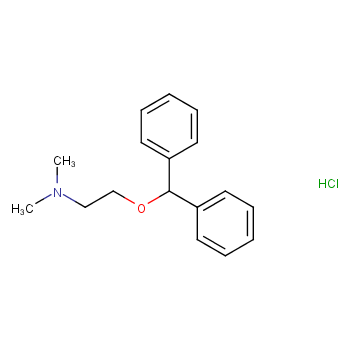
The Diphenhydramine Hydrochloride price is a critical benchmark for pharmaceutical manufacturers, OTC formulators, and distributors involved in allergy, cold, and cough medication supply chains. Based on exporter disclosures, distributor surveys, and regional procurement behavior, Diphenhydramine Hydrochloride prices during 2024–2025 were shaped primarily by inventory replenishment cycles, seasonal demand, and stable upstream cost structures rather than production disruptions.

This analysis reflects hands-on market intelligence commonly used by procurement teams, combining price indices, spot market behavior, and buyer sentiment across major global regions.
In the United States and Canada, the Diphenhydramine Hydrochloride price index increased by approximately 16.5% quarter-over-quarter during the quarter ending September 2025. This rise was driven by aggressive distributor restocking following prolonged inventory drawdowns.
Average quarterly price: ~USD 22,533.33/MT (CFR East Coast North America)
Spot price behavior: Firm, supported by low warehouse stocks and steady OTC/pharma offtake
Production cost trend: Stable feedstock and energy costs limited cost-push pressure
Why prices increased:
Rapid replenishment amid tight on-hand inventories
Seasonal allergy and cough formulation demand
Demand-led price movement rather than logistics or production disruption
Procurement insight: Buyers who delayed replenishment earlier in the year faced higher spot offers once distributor competition intensified.
During Q2 2025, Diphenhydramine Hydrochloride prices in North America tracked higher Asian FOB benchmarks. While no major logistical bottlenecks were reported, lead times for Asian-origin material lengthened slightly, prompting forward bookings.
Rising bromine feedstock costs indirectly increased import offer levels
Inventories at key US distributors showed visible depletion by May
Buyers increasingly accepted higher bands in June to secure Q3 supply
In early 2025, North America experienced a mild downward price bias. Procurement remained cautious, with buyers holding sufficient inventories and avoiding aggressive restocking.
Logistics and freight costs stayed within normal ranges
No supply disruptions or cost escalation
Price softness reflected controlled demand, not oversupply
In China, the Diphenhydramine Hydrochloride price index rose by 17.56% quarter-over-quarter in Q3 2025.
Average export price: ~USD 22,533.33/MT
Tight inventories due to export commitments
Smooth Shanghai port operations prevented logistics-driven volatility
Key drivers:
Elevated export inquiries
Domestic and overseas replenishment activity
Seasonal formulation demand
Q2 2025 saw one of the sharpest upswings in Diphenhydramine Hydrochloride prices in APAC.
Prices rose from USD 2,830/MT (April) to USD 3,640/MT (June)
~28% quarterly increase driven by bromine feedstock inflation
Producers adopted controlled inventory release strategies
Market practice: Exporters prioritized high-margin contract destinations, limiting spot market liquidity.
Prices edged down by ~0.67% as buyers avoided overstocking and Lunar New Year slowed export activity. Supply remained sufficient and logistics were stable.
In Germany and major EU hubs, the Diphenhydramine Hydrochloride price index rose ~15.8% QoQ.
Average price: ~USD 22,900/MT (CFR Rotterdam)
Active restocking by formulators
Tight distributor inventories limited spot availability
European prices climbed gradually due to reduced Asian availability and rising import costs, despite stable regional production expenses.
Forward contracts for Q3 were settled at 5–7% premiums vs April
Buyers began pre-booking cargoes to hedge Q4 volatility
European buyers maintained conservative purchasing behavior. Adequate inventories and stable logistics prevented volatility.
Across all regions, Diphenhydramine Hydrochloride prices in Q4 2024 were influenced by:
Interest rate changes (US Federal Reserve, ECB)
Currency movements (USD strength, weaker yuan, euro depreciation)
Port congestion, labor strikes, and inventory stockpiling
Despite temporary price increases in October, prices trended downward by December due to weaker consumer demand and year-end inventory clearing.
Based on multi-quarter behavior, the most consistent Diphenhydramine Hydrochloride price drivers include:
Distributor inventory cycles (primary short-term driver)
Seasonal allergy and cold demand
Bromine feedstock cost movements
Export allocation strategies from China
Currency and macroeconomic sentiment
The Diphenhydramine Hydrochloride price trajectory through 2024–2025 highlights a market driven more by demand timing and inventory behavior than by structural supply constraints. While mild corrections are expected as replenishment cycles normalize, seasonal formulation demand and lean distributor stocks may continue to support elevated pricing levels.
?? If you are tracking Diphenhydramine Hydrochloride prices for procurement, forecasting, or contract negotiation, staying ahead of inventory cycles is more critical than monitoring production costs alone.
|
 |
 |
 |
 EN
EN
 Agricultural News
 Food News
 Industrial News
 Cosmetic News
 Pharmaceutical News
 Science News

 1YR
1YR

