-
We detected your language preference as English. Would you like to switch to the English version for a better experience?
Switch to English
Stay here



In the field of chemistry, few compounds have the extensive utility and significant importance like Sodium Dodecyl Sulfate (SDS). From personal care products to industrial applications, SDS serves as a foundational ingredient, offering numerous benefits across various sectors. Whether you're a consumer seeking deeper insights into everyday products or a researcher delving into the complexity of surfactant chemistry, this article aims to comprehensively explore SDS and its significant impact on different industries.
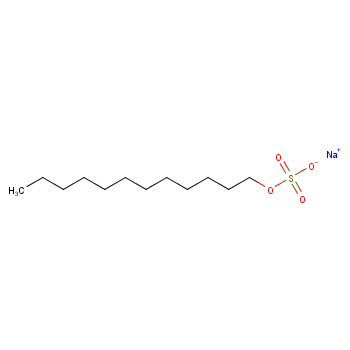
Sodium Dodecyl Sulfate (SDS), abbreviated as SDS, is a chemical compound commonly used in a wide range of cleansing products such as toothpaste, shampoo, cosmetics, and detergents, as well as in building materials like gypsum boards, concrete additives, and coatings. Its chemical composition and structure consist of C12H25NaO4S, comprised of 12 carbon atoms, 25 hydrogen atoms, 1 sodium atom, 4 sulfate groups, and 1 oxygen atom.
In terms of chemical properties, SDS appears as a white to slightly yellowish powder, readily soluble in water, with a faint distinctive odor, indicating its mild irritant nature. It remains stable at room temperature and pressure, but caution is warranted with oxidizing agents to prevent hazardous reactions. Its density is 0.25g/ml, with a melting point of 204-207℃ and a flashpoint greater than 100℃, indicating its stability under various conditions.
In terms of performance and applications, SDS possesses characteristics such as reducing the surface tension of aqueous solutions, emulsifying oils, and compatibility with anionic and nonionic compounds. Thus, it finds widespread applications in emulsification, foaming, penetration, cleansing, and dispersion in industries including food, cosmetics, skincare, detergents, and textile auxiliaries. Additionally, it is employed in oil well and mine fire extinguishers, as an emulsifier in styrene-butadiene and acrylic latex emulsions, as well as a flotation agent in metal ore beneficiation.
Sodium Dodecyl Sulfate (SDS) plays a crucial role in many everyday products, serving as a key component in various cleansers, personal care items, and even food. Its surfactant properties make it an effective emulsifier and foaming agent, aiding in the cleansing and foaming capabilities of shampoos, soaps, and toothpaste. Moreover, SDS's ability to dissolve fats and oils finds extensive use in household cleaners and detergents, making it an indispensable component in maintaining cleanliness and hygiene in our daily lives.

Apart from its applications in consumer goods, SDS exerts profound effects on proteins due to its detergent-like properties. When proteins are exposed to SDS, it disrupts their natural structure by binding to hydrophobic regions, leading to denaturation and unfolding. This process, known as SDS-PAGE (Sodium Dodecyl Sulfate Polyacrylamide Gel Electrophoresis), is commonly used in biochemical and molecular biology research to separate proteins based on their molecular weights. By treating protein samples with SDS and subjecting them to electrophoresis, scientists can achieve precise separation and analysis of complex protein mixtures, enabling the study of protein composition, purity, and abundance.
Sodium Dodecyl Sulfate is a crucial component in the denaturation and linearization of proteins, allowing precise size-based separation. By uniformly coating proteins with SDS molecules, the charge-to-mass ratio becomes nearly identical for all proteins, facilitating their migration through the gel matrix under the influence of an electric field. This standardized approach enables researchers to compare proteins solely based on their molecular weights, providing valuable insights into biological processes, disease mechanisms, and protein interactions.
Sodium Dodecyl Sulfate (SDS) exerts its effects on proteins through a well-defined mechanism of interaction. As a surfactant molecule, SDS possesses both hydrophilic and hydrophobic properties. When SDS encounters protein molecules in aqueous solution, its hydrophobic tail is attracted to the hydrophobic regions of the protein, while the hydrophilic head interacts with surrounding water molecules. This interaction leads to the binding of SDS molecules to the protein surface, forming SDS-protein complexes.
The binding of SDS to proteins results in significant alterations in protein structure and function. SDS disrupts protein structures by unfolding them and masking their three-dimensional conformations. The denaturation process occurs when the hydrophobic tails of SDS penetrate into the hydrophobic interiors of proteins, disrupting hydrogen bonds and other non-covalent interactions that maintain protein folding states. Consequently, once-folded proteins become linearized and uniformly coated by SDS molecules, forming uniformly charged complexes. Due to this denaturation, proteins often lose their biological activity and functional properties, rendering them unable to function as expected in biological systems. The profound impact of SDS on protein structure and function is widely utilized in biochemical and molecular biology techniques, such as SDS-PAGE, for protein separation, quantification, and analysis.
Sodium Dodecyl Sulfate finds extensive use in the pharmaceutical field as an ion-solubilizing agent and emulsifier, applicable in liquid dispersions, solutions, emulsions, and microemulsions, tablets, foams, and semisolids such as creams, lotions, and gels. Additionally, SDS contributes to the wetting of tablets and lubrication during the manufacturing process. Pharmaceutical-grade SDS brand names include Kolliphor SLS and Kolliphor SLS Fine.
SDS is primarily used in laundry detergents, catering to numerous cleaning applications. It serves as an efficient surfactant capable of tackling tasks requiring the removal of oily stains and residues. It is a component in hand soaps, toothpaste, shampoos, shaving creams, and bubble bath formulations due to its foaming, surfactant properties, and partial thickening effects.
According to USFDA (21 CFR 172.822) regulations, Sodium Dodecyl Sulfate is considered a Generally Recognized as Safe (GRAS) ingredient. It is used as an emulsifier and whipping agent. US federal regulations mandate that emulsifiers in egg solids must not exceed 1,000 parts per million (0.1%), and in frozen or liquid egg whites, 125 parts per million (0.0125%). As a whipping agent for preparing marshmallows, it must not exceed 0.5% of the weight of the gelatin. It is reported that SDS temporarily reduces the perception of sweetness.
Gel electrophoresis is a fundamental technique in biochemistry and molecular biology used to separate large molecules such as proteins or nucleic acids based on size and charge. During this process, an electric field acts on a gel matrix (typically made of agarose or polyacrylamide), causing charged molecules to migrate at different rates within the gel. The interactions between charged molecules and the gel matrix facilitate this separation, with smaller molecules migrating faster than larger ones. Gel electrophoresis finds widespread applications ranging from DNA fingerprinting to protein analysis across various research fields.
Sodium Dodecyl Sulfate (SDS) plays a crucial role in gel electrophoresis, particularly in protein separation. SDS denatures proteins by binding to them and disrupting their natural structures. When proteins are treated with SDS, they become linearized and uniformly coated with SDS molecules, resulting in a uniform negative charge along the protein backbone. This standardized charge-to-mass ratio allows proteins to migrate solely based on their molecular weights, with smaller proteins moving farther than larger ones. Therefore, SDS-PAGE (Sodium Dodecyl Sulfate Polyacrylamide Gel Electrophoresis) is widely used for separating and analyzing protein samples, enabling researchers to study protein composition, purity, and abundance with high resolution and accuracy.
Polyacrylamide gel electrophoresis (PAGE) is a technique used for separating peptides and proteins. SDS (Sodium Dodecyl Sulfate) is an anionic surfactant used to coat peptides with a negative charge layer, allowing their separation based on molecular weight when migrating in an applied electric field. Due to numerous advantages, SDS-PAGE has become one of the most widely applied techniques for protein analysis and characterization. SDS can dissolve nearly all proteins, and SDS-protein complexes have uniformly high negative charges, migrating rapidly in the same direction towards the anode. Additionally, the fixing and staining effects of SDS-protein complexes in strong restriction gels are superior to native proteins. The separation is based on a physical-chemical parameter, effective molecular radius. In uniformly concentrated gels, the relative migration rate (Rf) of SDS-peptide complexes is linearly related to log10 Mr. The Mr values of the studied proteins can be read from this linear dependency (given a calibration curve of the gel). However, the linear relationship between log10 Mr and Rf is only valid within a limited range of molecular weights; for example, in 5%T stacking gels and 14%T resolving gels, linearities can be achieved within the range of 14,000-95,000 Mr. Moreover, some glycoproteins, collagen peptides, and extremely acidic or basic proteins exhibit anomalies, providing false Mr values.
While SDS gel electrophoresis offers numerous advantages such as high resolution and reproducibility, there are also considerations regarding its limitations. One limitation is the inability to separate proteins with similar molecular weights but differing shapes or charges. Additionally, SDS may interfere with downstream applications such as protein staining or Western blotting, requiring additional steps to remove it from the gel. Despite these limitations, SDS gel electrophoresis remains a powerful tool for researchers to conduct protein analysis and characterization across various biological contexts.
Sodium Dodecyl Sulfate is a versatile compound with widespread applications across various industries. Its surfactant properties make it indispensable in personal care products such as shampoos, toothpaste, and facial cleansers, where it provides effective cleansing and foaming capabilities. Additionally, due to its ability to dissolve fats and oils, SDS is also useful in household cleaning products and industrial processes. With its detergent-like properties, SDS exerts profound effects on proteins, enabling precise separation and analysis, contributing to advancements in biochemical and molecular biology research. Overall, by harnessing the potential of Sodium Dodecyl Sulfate, industries can continue to innovate and improve products for global consumers.
[1]https://www.sciencedirect.com/topics/neuroscience/sodium-dodecyl-sulfate
[2] Zhang Guifeng. Higher Vocational Fine Chemical Experiment - An Example of Preparation of Sodium Lauryl Sulfate [J]. Technology and Market, 2014, 21(07): 340+342.
[3]https://en.wikipedia.org/wiki/Sodium_dodecyl_sulfate
 |
 |
 |
 |
 |
|
 EN
EN
 Agricultural News
 Food News
 Industrial News
 Cosmetic News
 Pharmaceutical News
 Science News

 1YR
1YR

