-
We detected your language preference as English. Would you like to switch to the English version for a better experience?
Switch to English
Stay here




Sodium Lauroyl Methyl Isethionate, with the chemical formula C15H30O5S.Na and CAS number 928663-45-0, is a mild, sulfate-free surfactant derived from coconut oil. It is primarily used in personal care products such as facial cleansers, shampoos, and body washes. Due to its gentle nature, it is considered safe for sensitive skin.
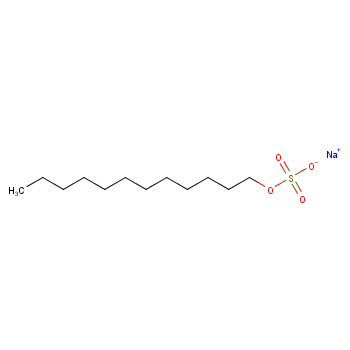
Sodium Lauryl Sulfate (SLS), with the chemical formula C12H25NaSO4 and CAS number 151-21-3, is a surfactant commonly found in cleaning products, shampoos, toothpastes, and other personal care products. Known for its strong cleaning power, it is effective at removing oils and dirt, but it can sometimes cause irritation, especially for sensitive skin.
While both Sodium Lauroyl Methyl Isethionate and Sodium Lauryl Sulfate are surfactants, they have distinct differences in terms of their chemical structure, skin compatibility, and primary applications. Sodium Lauroyl Methyl Isethionate is a milder, sulfate-free option that is often favored for sensitive skin, while Sodium Lauryl Sulfate, despite being more effective in cleaning, can be harsh and drying for some individuals.


The synthesis of both compounds involves the derivation of lauryl groups from natural sources, but the key difference lies in the additional chemical reactions used to introduce their respective functional groups—methyl isethionate in the case of Sodium Lauroyl Methyl Isethionate and sulfate in the case of Sodium Lauryl Sulfate.
Surfactants play an important role in cleaning, emulsifying, and foaming products. Sodium Lauroyl Methyl Isethionate and Sodium Lauryl Sulfate, despite their shared function, have different uses depending on their properties and compatibility with skin. Below, we explore the applications of these two compounds in various industries, particularly personal care.

One of the primary applications of Sodium Lauroyl Methyl Isethionate is in personal care products designed for sensitive skin. Due to its exceptional mildness, it is commonly used in facial cleansers, body washes, and shampoos formulated for individuals with dry, irritated, or sensitive skin. Unlike harsher surfactants, this compound offers a gentle cleansing action that effectively removes dirt, oil, and impurities while preserving the skin's natural moisture barrier. This makes it an ideal choice for individuals with sensitive skin or those prone to skin conditions such as eczema, dermatitis, or rosacea. By maintaining hydration while cleansing, Sodium Lauroyl Methyl Isethionate helps avoid the irritation and dryness commonly caused by more aggressive cleaning agents.
In addition to its mild yet effective cleansing properties, Sodium Lauroyl Methyl Isethionate plays a key role in improving the foaming characteristics of personal care products, especially in shampoos and body washes. Its ability to produce a rich, creamy lather enhances the overall user experience, providing a luxurious, satisfying feeling without the harsh side effects often associated with stronger surfactants. Moreover, this compound is a popular ingredient in sulfate-free formulations, which have become increasingly sought after by consumers who prioritize products that are both effective and gentle on the skin. As a sulfate alternative, it delivers the benefits of deep cleansing and foaming while being less likely to irritate or dry out the skin, making it a preferred option for those seeking milder personal care solutions.
Sodium Lauryl Sulfate (SLS), on the other hand, is widely used in products that require powerful cleansing and foaming properties. It is commonly found in everyday personal care products such as toothpastes, shampoos, body washes, and soaps, as well as in household cleaning products. Its strong detergency makes it highly effective at breaking down oils, grime, and dirt, which is why it’s frequently used in formulations aimed at deep cleaning. In fact, SLS is particularly valuable in sectors that require intense cleaning power, such as automotive and industrial applications, where removing tough residues is a primary concern.
Despite its effectiveness, SLS can be harsh for individuals with sensitive skin, potentially causing irritation or dryness with prolonged exposure. However, it remains a popular choice for mass-market products due to its low cost, high performance, and ability to create a rich lather. This makes it a staple ingredient in personal care products where foaming ability is a key selling point, often outweighing considerations of skin sensitivity. For many manufacturers, the balance between cost-effectiveness and cleaning power keeps SLS in demand, even in a market increasingly focused on gentler, more skin-friendly ingredients.
In summary, Sodium Lauroyl Methyl Isethionate is the better choice for individuals seeking a mild, sulfate-free surfactant for sensitive skin, as it provides effective cleansing without irritating the skin. It is ideal for personal care products targeting sensitive skin or those seeking a gentle formula. In contrast, Sodium Lauryl Sulfate is a more powerful surfactant suitable for products requiring stronger cleaning and foaming properties, but its harsh nature may lead to skin irritation for some individuals.
| Side Effect |
Sodium Lauroyl Methyl Isethionate |
Sodium Lauryl Sulfate |
|---|---|---|
| Digestive Issues | Rare, may cause mild irritation in some individuals | Common, can cause irritation in the digestive tract if ingested |
| Skin Sensitivity | Very low, suitable for sensitive skin | Can cause dryness, irritation, or allergic reactions in sensitive skin |
| Environmental Impact | Biodegradable, but its mildness makes it less effective for heavy-duty cleaning | Biodegradable but can contribute to environmental pollution when used in large quantities |
| Cost | Higher cost due to the use of natural ingredients | Low cost, widely used in mass-market products |
If you're looking to purchase these compounds, Guidechem is your go-to platform for sourcing high-quality raw materials and reliable suppliers. With our extensive global network, we connect you to a wide range of Sodium Lauroyl Methyl Isethionate suppliers and Sodium Lauryl Sulfate suppliers, ensuring you find the right products to meet your specific research or production requirements. Whether you're in pharmaceuticals, food additives, or other industries, Guidechem simplifies the sourcing process, offering verified supplier information, competitive pricing, and seamless communication.
 |
|
 |
 |
 |
|
 EN
EN
 Agricultural News
 Food News
 Industrial News
 Cosmetic News
 Pharmaceutical News
 Science News

 1YR
1YR

