-
We detected your language preference as English. Would you like to switch to the English version for a better experience?
Switch to English
Stay here




Alpha Arbutin (C12H16O7, CAS 84380-01-8) is a glycosylated hydroquinone, commonly used in skincare products for its brightening properties. It works by inhibiting tyrosinase, an enzyme involved in melanin production, which makes it an effective treatment for hyperpigmentation and skin discoloration.
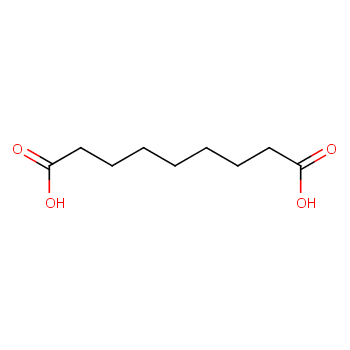
Azelaic Acid (C9H16O4, CAS 123-99-9), on the other hand, is a naturally occurring dicarboxylic acid that provides benefits for various skin conditions, including acne and rosacea. It is also used to treat pigmentation issues by inhibiting melanin production, making it a common ingredient in skincare formulations aimed at evening out skin tone.
The key difference between Alpha Arbutin vs Azelaic Acid lies in their mechanisms of action and specific skin benefits. While both have skin-brightening properties, Azelaic Acid has added anti-inflammatory and antimicrobial properties, making it particularly beneficial for individuals with acne-prone skin. Alpha Arbutin, however, tends to be more specific in its skin lightening effects.


Both compounds serve different functions, despite sharing a common goal of treating pigmentation disorders. The synthesis methods for Alpha Arbutin and Azelaic Acid vary based on their chemical structure and intended applications.

Alpha Arbutin is predominantly used in skincare formulations due to its ability to inhibit the enzyme tyrosinase, which is responsible for melanin production in the skin. This makes it an ideal treatment for hyperpigmentation, including dark spots, melasma, and sun damage. The application of Alpha Arbutin in cosmetics is primarily aimed at achieving a more even skin tone and brightening the complexion.
For individuals dealing with age spots or post-inflammatory hyperpigmentation (common after acne), Alpha Arbutin works gently to lighten darkened skin without the harsh effects of traditional hydroquinone. The slow-release nature of Alpha Arbutin reduces the likelihood of skin irritation, making it a preferred option for sensitive skin types.
In contrast, Azelaic Acid is renowned for its ability to address both acne and skin discoloration. It is particularly effective for treating acne because of its antimicrobial properties, which help to reduce the growth of bacteria on the skin. Azelaic Acid also has anti-inflammatory effects, which can alleviate the redness and swelling associated with acne lesions.
Azelaic Acid's action on pigmentation is also significant. Like Alpha Arbutin, it inhibits melanin production, making it useful for treating hyperpigmentation and uneven skin tone. However, Azelaic Acid also works on the deeper layers of the skin, making it effective in treating conditions like rosacea in addition to acne. Due to its versatility, Azelaic Acid is commonly included in formulations for sensitive or acne-prone skin.
In summary, Alpha Arbutin vs Azelaic Acid highlights the difference in their use for treating hyperpigmentation. Alpha Arbutin is primarily focused on lightening dark spots and evening out skin tone through its inhibition of tyrosinase activity. Azelaic Acid, however, not only addresses pigmentation but also provides benefits for acne and rosacea due to its anti-inflammatory and antimicrobial properties. Both compounds are excellent choices for those looking to improve the appearance of their skin, but the best option will depend on whether acne or pigmentation is the main concern.
| Side Effect |
Alpha Arbutin |
Azelaic Acid |
|---|---|---|
| Skin Irritation | Rare, but can occur in sensitive individuals | May cause mild irritation, especially in higher concentrations |
| Allergic Reactions | Rare, could include rash or itching | Rare, could include rash, itching, or swelling |
| Sun Sensitivity | Can cause increased sensitivity to sunlight | May increase sun sensitivity, sunscreen is recommended |
| Dryness | Unlikely to cause dryness | May cause dryness or flaking in sensitive individuals |
When choosing the right skincare treatment for hyperpigmentation, it's important to consider your skin's specific needs and sensitivities. Alpha Arbutin is known for its gentle brightening effect and is particularly effective in treating dark spots and uneven skin tone. It works by inhibiting tyrosinase, an enzyme responsible for melanin production, leading to a gradual lightening of hyperpigmented areas without causing irritation. This makes it an ideal option for those with sensitive skin or those prone to skin reactions.
In contrast, Azelaic Acid offers not only skin-brightening properties but also provides additional benefits for acne-prone skin. It helps to reduce inflammation, fight bacteria, and even out skin tone by inhibiting melanin production. While Azelaic Acid is effective for treating pigmentation, it may be more suitable for individuals dealing with acne or rosacea as it addresses both skin concerns. However, it can cause some dryness or irritation, particularly for those with sensitive skin.
Ultimately, if you're looking for a more gentle and targeted treatment for hyperpigmentation, Alpha Arbutin is the superior choice. However, if you are also dealing with acne or rosacea, Azelaic Acid may provide more comprehensive benefits, although it might cause slight irritation for those with sensitive skin.
*For optimal results and to ensure that you are using the appropriate treatment for your skin type, it is highly recommended to consult with a skincare professional. They can help you determine the most suitable product based on your individual needs and skin concerns.
If you're looking to purchase Alpha Arbutin suppliers or Azelaic Acid suppliers, Guidechem is your go-to platform for sourcing high-quality raw materials and reliable suppliers. With our extensive global network, we connect you to a wide range of Alpha Arbutin and Azelaic Acid suppliers, ensuring you find the right products to meet your specific beauty and skincare needs. Whether you're in cosmetics, skincare formulations, or other industries, Guidechem simplifies the sourcing process, offering verified supplier information, competitive pricing, and seamless communication.
 |
|
 |
 |
 |
 EN
EN
 Agricultural News
 Food News
 Industrial News
 Cosmetic News
 Pharmaceutical News
 Science News

 1YR
1YR

