-
We detected your language preference as English. Would you like to switch to the English version for a better experience?
Switch to English
Stay here




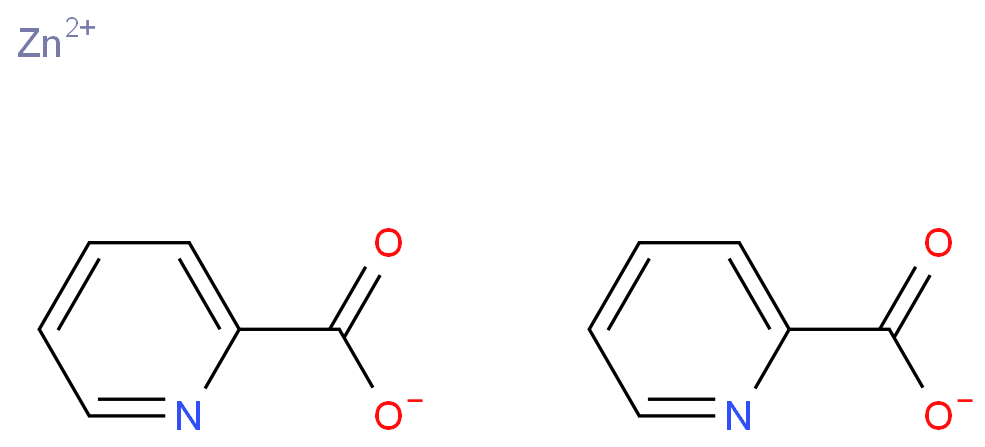
Zinc Picolinate, with the chemical formula C12H12N2O6Zn and CAS number 17949-65-4, is a highly bioavailable form of zinc, often used as a dietary supplement to support immune health, skin health, and various metabolic processes.
Zinc, with the chemical formula Zn and CAS number 7440-66-6, is a trace mineral essential for numerous biochemical pathways in the body, including immune function, protein synthesis, and wound healing.
Zinc Picolinate and Zinc are both crucial forms of zinc supplementation, each with unique properties and applications. The key difference between the two lies in the bioavailability and the specific compounds used to enhance zinc absorption—Zinc Picolinate, being more readily absorbed, is often considered superior in terms of efficacy compared to regular zinc supplements.


Both zinc picolinate and elemental zinc are essential for health, but the key difference lies in the bioavailability and the efficiency with which the body can absorb them. Zinc picolinate’s chelation with picolinic acid improves its absorption rate compared to regular zinc supplements.
Zinc is essential for many physiological functions, including immune function, wound healing, and protein synthesis. However, the bioavailability of zinc plays a critical role in how effectively the body can use it. Zinc Picolinate and Zinc serve similar functions but offer distinct benefits based on their absorption efficiency.

Zinc Picolinate is often favored for its superior bioavailability, making it a popular choice for individuals seeking a more efficient way to support their immune system. Zinc is crucial for immune cell function and helps prevent infections by enhancing the production of white blood cells. Zinc Picolinate is also widely used to support healthy skin. It helps reduce the severity of acne and can speed up the healing of wounds, making it a preferred option for individuals with skin conditions.
In addition to its immune and skin benefits, Zinc Picolinate is beneficial for its antioxidant properties. It supports cellular health by neutralizing free radicals and reducing oxidative stress, which is vital for overall health, aging, and preventing chronic diseases.
One may ask zinc picolinate versus zinc gluconate? When considering zinc picolinate vs zinc gluconate, both are popular forms of zinc supplements. Zinc picolinate is often favored for better absorption, as it is bound to picolinic acid, enhancing its bioavailability. On the other hand, zinc gluconate is a more affordable option but may have a slightly lower absorption rate. Both forms support immune function, but the choice depends on individual preferences and needs.
Zinc, in its elemental form, is used for a variety of health benefits. It plays an essential role in cell growth, DNA synthesis, and maintaining a healthy metabolism. Zinc is commonly included in supplements for general health maintenance, helping to ensure the body receives sufficient amounts of this important trace mineral. Although it is not as readily absorbed as Zinc Picolinate, zinc supplementation remains crucial for preventing deficiencies, particularly in populations at risk, such as vegetarians, pregnant women, and individuals with gastrointestinal disorders.
While zinc is effective for boosting immune health and supporting metabolic function, Zinc Picolinate provides enhanced absorption, making it a more targeted solution for individuals with higher demands for zinc or those who experience difficulty absorbing regular zinc supplements.
In summary, Zinc Picolinate is the preferred choice for individuals who need a highly absorbable form of zinc, particularly for immune support, skin health, and antioxidant benefits. Its superior bioavailability makes it more effective than regular zinc for those who require higher zinc intake. Zinc, on the other hand, remains an essential mineral that provides a broad range of health benefits but may not be absorbed as efficiently without additional supplementation techniques such as chelation.
| Drawback |
Zinc Picolinate |
Zinc |
|---|---|---|
| Digestive Issues | Rare, but may cause mild stomach upset | Possible, especially if taken in high doses, may cause nausea or stomach irritation |
| Toxicity | Unlikely at recommended doses, but overdose can lead to copper deficiency | Possible at high doses, may cause toxicity symptoms like vomiting and diarrhea |
| Absorption Issues | Very high bioavailability, making it a great choice for those with absorption concerns | Lower absorption rate, especially in individuals with gastrointestinal issues |
If you're looking to purchase these compounds, Guidechem is your go-to platform for sourcing high-quality raw materials and reliable suppliers. With our extensive global network, we connect you to a wide range of Zinc Picolinate suppliers, ensuring you find the right products to meet your specific research or production requirements. Whether you're in pharmaceuticals, food additives, or other industries, Guidechem simplifies the sourcing process, offering verified supplier information, competitive pricing, and seamless communication.
[2]The Role of Zinc in Human Health by R. W. Phillips.
[3]Zinc and Immune Function in Journal of Nutrition.
 |
|
 |
 |
|
 EN
EN
 Agricultural News
 Food News
 Industrial News
 Cosmetic News
 Pharmaceutical News
 Science News

 6YRS
6YRS

