-
We detected your language preference as English. Would you like to switch to the English version for a better experience?
Switch to English
Stay here




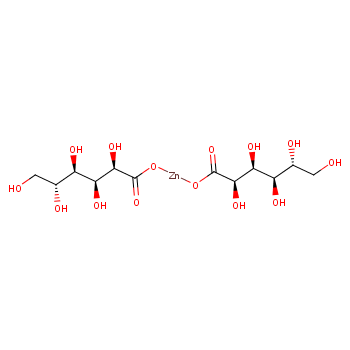
Zinc Gluconate, with the chemical formula C12H22O14Zn and CAS number 4468-02-4, is a popular form of zinc supplement often used to boost immune function and treat zinc deficiencies.
Zinc Glycinate, with the chemical formula C4H8N2O4Zn and CAS number 14281-83-5, is a chelated form of zinc that is highly bioavailable and gentle on the digestive system, making it an ideal supplement for those with sensitive stomachs.
Zinc Gluconate and Zinc Glycinate are both used as dietary supplements to address zinc deficiency, but they differ in their chemical composition, absorption rates, and applications. Zinc Gluconate is often chosen for its affordability and effectiveness in boosting immune health, while Zinc Glycinate is preferred for its superior bioavailability and minimal gastrointestinal side effects. Others will ask about zinc glycinate vs zinc picolinate, which will be answered below.


Both compounds are synthesized through reactions involving zinc salts, but the key difference lies in the organic compounds used—gluconic acid for zinc gluconate and glycine for zinc glycinate. Zinc Glycinate is known for its chelated structure, enhancing absorption and reducing gastrointestinal discomfort.
Zinc is an essential mineral involved in a variety of biological processes, including immune function, protein synthesis, and wound healing. Both Zinc Gluconate and Zinc Glycinate are commonly used in dietary supplements to support overall health. However, their applications differ based on their unique properties. If you want to know more about zinc glycinate vs zinc picolinate, this article will also answer it.

Zinc Gluconate is widely used as a supplement to boost immune health, particularly during cold and flu season. It is often taken to prevent or reduce the severity of common colds, thanks to its ability to enhance the activity of immune cells. Zinc Gluconate is also frequently used to treat zinc deficiencies, which can lead to symptoms such as weakened immunity, slow wound healing, and poor appetite. Its high solubility allows for quick absorption in the body, making it an effective choice for those seeking immediate results.
In addition to supporting immune function, Zinc Gluconate plays a key role in promoting wound healing and collagen synthesis, which is vital for skin health and tissue repair. It is commonly recommended for individuals recovering from injuries or surgery to speed up the healing process.
Zinc Glycinate is highly regarded for its superior bioavailability, meaning that it is more efficiently absorbed by the body compared to other forms of zinc, such as Zinc Gluconate. This makes it an ideal choice for individuals who need to address zinc deficiencies but may have sensitive digestive systems. Zinc Glycinate is often used to support general health, improve skin conditions such as acne, and promote optimal immune function.
Zinc Glycinate is also commonly used to promote digestive health, as it can help reduce inflammation in the gastrointestinal tract. It is less likely to cause stomach upset or nausea compared to other forms of zinc supplements, making it a preferred choice for those who have experienced digestive issues with other zinc products.
When comparing zinc glycinate vs zinc picolinate, both are popular supplements for improving zinc absorption. Zinc glycinate is bound to glycine, making it gentle on the stomach and highly bioavailable. Zinc picolinate, on the other hand, is bound to picolinic acid, which may enhance absorption further. Both forms are effective, but individual tolerance and absorption can vary.
In summary, Zinc Gluconate is ideal for those seeking to support immune health and treat zinc deficiencies, particularly in cases of common colds and poor wound healing. Its high solubility makes it a quick and effective choice for boosting zinc levels. On the other hand, Zinc Glycinate is a better option for individuals seeking a more gentle, easily absorbed form of zinc. Its high bioavailability and minimal gastrointestinal side effects make it an excellent choice for those with sensitive stomachs or digestive issues.
| Side Effect |
Zinc Gluconate |
Zinc Glycinate |
|---|---|---|
| Digestive Issues | Rare, but may cause mild nausea or stomach upset | Unlikely to cause digestive issues, generally well tolerated |
| Low Blood Pressure | Possible, may cause dizziness or lightheadedness in high doses | Possible, but generally well-tolerated at recommended doses |
| Allergic Reactions | Rare, could include rash or itching | Rare, could include rash, swelling, or difficulty breathing |
If you're looking to purchase these compounds, Guidechem is your go-to platform for sourcing high-quality raw materials and reliable suppliers. With our extensive global network, we connect you to a wide range of Zinc Gluconate suppliers and Zinc Glycinate suppliers, ensuring you find the right products to meet your specific research or production requirements. Whether you're in pharmaceuticals, food additives, or other industries, Guidechem simplifies the sourcing process, offering verified supplier information, competitive pricing, and seamless communication.
[1]The Role of Zinc in Immune Function by A. Smith.
[2]Zinc Supplementation for Acne Treatment by B. Johnson.
[4]Effects of Zinc Gluconate on Common Cold Severity in European Journal of Clinical Nutrition.
|
 |
 |
 |
 |
 EN
EN
 Agricultural News
 Food News
 Industrial News
 Cosmetic News
 Pharmaceutical News
 Science News

 1YR
1YR

