-
We detected your language preference as English. Would you like to switch to the English version for a better experience?
Switch to English
Stay here




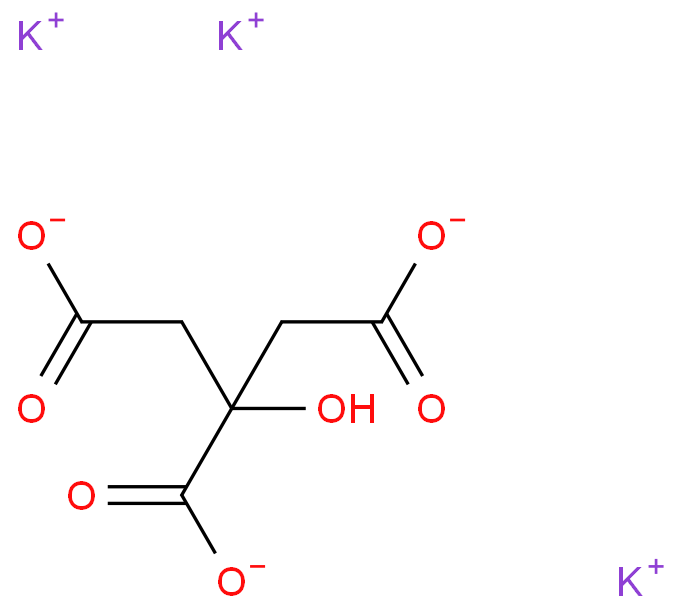
Potassium Citrate, with the chemical formula K3C6H5O7 and CAS number 866-84-2, is a potassium salt of citric acid. It is commonly used to prevent kidney stones, manage urinary conditions, and maintain acid-base balance in the body.
Potassium Chloride, with the chemical formula KCl and CAS number 7447-40-7, is a highly soluble potassium salt. It is widely used as a dietary supplement, a component of fertilizers, and a key electrolyte for maintaining cellular function.
Potassium Citrate and Potassium Chloride are two vital potassium salts, each offering unique benefits and applications. While Potassium Citrate is primarily used for medical purposes, such as preventing kidney stones, Potassium Chloride is more versatile, with applications ranging from dietary supplements to industrial uses.


The key difference in their synthesis lies in the starting materials and the chemical reactions involved. Potassium Citrate requires organic acids and alkalis, while Potassium Chloride is derived from inorganic sources, such as mined deposits or saltwater.
Potassium is an essential nutrient that supports numerous physiological functions, including nerve transmission, muscle contraction, and maintaining acid-base balance. Potassium Citrate and Potassium Chloride are commonly used for both health and industrial purposes, with distinct applications tailored to their chemical properties.

Potassium citrate is widely recognized for its role in preventing and managing kidney stones. By alkalizing urine, it reduces the formation of calcium oxalate and uric acid stones, making it a first-line treatment for certain urinary conditions. Additionally, Potassium Citrate is used to manage metabolic acidosis, a condition where the body produces excessive acid or fails to effectively excrete it.
In the food industry, Potassium Citrate serves as a buffering agent, stabilizing pH levels in beverages and processed foods. It is also an effective preservative, extending the shelf life of various products. Moreover, as a dietary supplement, it helps replenish potassium levels in individuals with deficiencies, supporting overall cellular and muscular health.
Potassium chloride, on the other hand, is primarily used to address potassium deficiency, also known as hypokalemia. This condition often arises from diuretic use, excessive sweating, or certain medical conditions. Potassium chloride is highly effective in replenishing potassium levels, which is crucial for maintaining heart health and normal muscle function.
In medical settings, potassium chloride is frequently administered intravenously or in oral formulations to restore electrolyte balance. Its ability to support cardiovascular health is particularly significant, as potassium plays a key role in regulating blood pressure and heart rhythm. Patients with hypertension or arrhythmias often benefit from potassium chloride supplementation.
Moreover, potassium chloride is used in agriculture as a fertilizer due to its high potassium content. It enhances plant growth and improves crop yields, making it a valuable resource for sustainable farming practices.
While both compounds provide potassium supplementation, their uses differ significantly. Potassium citrate's primary role in urinary health and its alkalizing properties make it a specialized treatment for kidney stones and metabolic acidosis. Conversely, potassium chloride's effectiveness in managing hypokalemia and supporting cardiovascular health highlights its broad application in clinical and agricultural settings.
In summary, the choice between potassium citrate and potassium chloride depends on the specific health or agricultural needs. Both compounds are indispensable in their respective applications, demonstrating the diverse utility of potassium in healthcare and industry.
| Disadvantage |
Potassium Citrate |
Potassium Chloride |
|---|---|---|
| Cost | Relatively expensive due to its specialized applications | Cost-effective and widely available |
| Gastrointestinal Tolerance | May cause mild stomach discomfort | Can cause significant gastrointestinal irritation if taken in high doses |
| Safety in Kidney Disease | Requires careful monitoring in patients with kidney impairment | May exacerbate hyperkalemia in kidney patients |
If you're looking to purchase these compounds, Guidechem is your go-to platform for sourcing high-quality raw materials and reliable suppliers. With our extensive global network, we connect you to a wide range of Potassium Citrate suppliers and Potassium Chloride suppliers, ensuring you find the right products to meet your specific research or production requirements. Whether you're in pharmaceuticals, food additives, or other industries, Guidechem simplifies the sourcing process, offering verified supplier information, competitive pricing, and seamless communication.
|
 |
 |
 |
 |
 |
 EN
EN
 Agricultural News
 Food News
 Industrial News
 Cosmetic News
 Pharmaceutical News
 Science News

 2YRS
2YRS

