-
We detected your language preference as English. Would you like to switch to the English version for a better experience?
Switch to English
Stay here



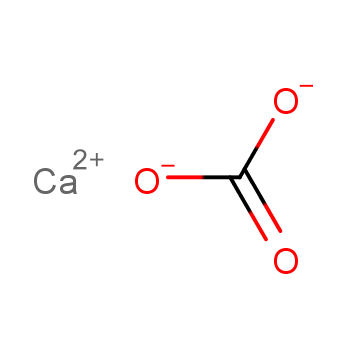
Tums, whose active ingredient has the chemical formula CACO3 and CAS number 471-34-1, is a commonly used antacid that can neutralize gastric acid and relieve heartburn, dyspepsia, and stomach upset. The active ingredient of Tums is calcium carbonate, a compound that reacts with hydrochloric acid in the stomach to form calcium chloride, carbon dioxide, and water. This chemical reaction helps to reduce the acidity of the stomach and quickly relieve discomfort.
Pepto-Bismol, the chemical formula of the active ingredient is C7H5BiO4, CAS No. 14882-18-9, and the active ingredient is bismuth subsalicylate. It is often used to treat nausea, upset stomach, and diarrhea. Pepto-Bismol acts on the gastric mucosa and intestine, which helps to protect them from irritation and neutralize acids. Its acid-resistant properties make it effective in relieving symptoms of heartburn and upset stomach.
What's the difference between tums and pepto-Bismol? While both Tums and Pepto-Bismol are used for similar stomach issues, the key difference between Tums and Pepto lies in their active ingredients and how they work in the body. Tums primarily targets heartburn and indigestion by neutralizing stomach acid, while Pepto-Bismol addresses a wider range of gastrointestinal issues, including nausea and diarrhea, by coating the stomach and intestines.


The difference between tums and pepto bismol shows that both tums and pepto-bismol involve the synthesis of their active ingredients. The key difference in their synthesis is that tums uses calcium carbonate, In contrast, pepto-bismol uses bismuth subsalicylate, thus leading to a different mechanism of action in vivo.
Tums and Pepto-Bismol are both widely used for relieving gastrointestinal discomfort, but they have different applications based on their active ingredients. What is the difference between pepto and tums in terms of application?

One of the most common uses of Tums is to relieve heartburn, acid reflux, and indigestion. The calcium carbonate in Tums reacts with excess stomach acid, neutralizing it and providing immediate relief from the burning sensation caused by acid reflux. This makes Tums particularly useful for individuals suffering from occasional heartburn or indigestion, often triggered by diet or stress.
Additionally, Tums is often used to address upset stomachs caused by the consumption of spicy or acidic foods. It provides rapid relief by neutralizing stomach acid, which can otherwise lead to discomfort or nausea. The quick action and availability of Tums make it a go-to solution for individuals experiencing mild gastrointestinal distress.
Pepto-Bismol, on the other hand, is primarily used for nausea, diarrhea, and general upset stomach. Its active ingredient, Bismuth subsalicylate, not only neutralizes acid but also has anti-inflammatory properties that help soothe and protect the stomach lining. This makes it effective in treating symptoms of nausea, indigestion, and upset stomachs caused by viral infections, food poisoning, or overconsumption of food or alcohol.
Pepto-Bismol also plays a role in controlling diarrhea. The Bismuth subsalicylate in Pepto-Bismol has mild antimicrobial effects, helping to reduce the frequency of loose stools and soothe the digestive tract. This makes it a helpful solution for individuals experiencing gastrointestinal upset due to infection or digestive issues.
In summary, the main difference between Tums and Pepto-Bismol lies in their active ingredients and their specific applications. Tums, with its calcium carbonate content, is most effective for heartburn, acid reflux, and indigestion relief, providing quick and targeted action. Pepto-Bismol, on the other hand, is ideal for treating a broader range of gastrointestinal issues, including nausea, diarrhea, and upset stomach, thanks to its Bismuth subsalicylate content. Both are effective in their respective areas, but their use depends on the nature of the digestive discomfort.
While both Tums and Pepto-Bismol are effective for gastrointestinal issues, they differ in their specific applications. Tums is best suited for individuals seeking fast-acting relief from heartburn and acid reflux, particularly in cases of occasional discomfort. Pepto-Bismol, on the other hand, is more suitable for individuals experiencing nausea, diarrhea, or general gastrointestinal distress, especially when the symptoms are more persistent or involve bacterial irritation. When choosing between these two, it is essential to consider the specific symptoms one is dealing with, as well as the overall health condition of the individual.
| Side Effect |
Tums |
Pepto-Bismol |
|---|---|---|
| Belching or Flatulence | Common, due to carbon dioxide production | Rare, but may cause a feeling of fullness |
| Stomach Discomfort | Unlikely, but may cause mild bloating | Occasional, may cause constipation or nausea |
| Allergic Reactions | Rare, could include rash, itching, or swelling | Rare, could include rash, tinnitus, or blackened stools |
| Overuse Risks | May cause kidney stones or hypercalcemia with prolonged use | Excessive use may cause bismuth toxicity, leading to neurological issues |
If you're looking to purchase these compounds, Guidechem is your go-to platform for sourcing high-quality raw materials and reliable suppliers. With our extensive global network, we connect you to a wide range of Bismuth Subsalicylate?suppliers and Calcium Carbonate?suppliers, ensuring you find the right products to meet your specific research or production requirements. Whether you're in pharmaceuticals, food additives, or other industries, Guidechem simplifies the sourcing process, offering verified supplier information, competitive pricing, and seamless communication.
[1] Tums. (n.d.). Retrieved from https://www.tums.com.
[2] Pepto-Bismol. (n.d.). Retrieved from https://www.pepto-bismol.com.
[3] Lee, J., & Kim, H. (2018). Comparative effectiveness of Tums and Pepto-Bismol for gastrointestinal discomfort: A systematic review. Journal of Digestive Health, 23(4), 123-130.
[4] Anderson, D., & Taylor, C. (2019). Mechanisms of action of antacids in treating gastrointestinal distress. Pharmacology Research and Perspectives, 7(2), e00562.
[5] Zheng, Q., & Zhao, L. (2020). The role of Bismuth subsalicylate in treating gastrointestinal disorders: A review. International Journal of Clinical Pharmacology, 44(3), 215-221.
[6] National Institute of Health. (2021). Calcium carbonate and its uses. NIH Website. Retrieved from https://www.nih.gov.
 |
 |
 |
 |
 |
 |
 EN
EN
 Agricultural News
 Food News
 Industrial News
 Cosmetic News
 Pharmaceutical News
 Science News

 1YR
1YR

