-
We detected your language preference as English. Would you like to switch to the English version for a better experience?
Switch to English
Stay here




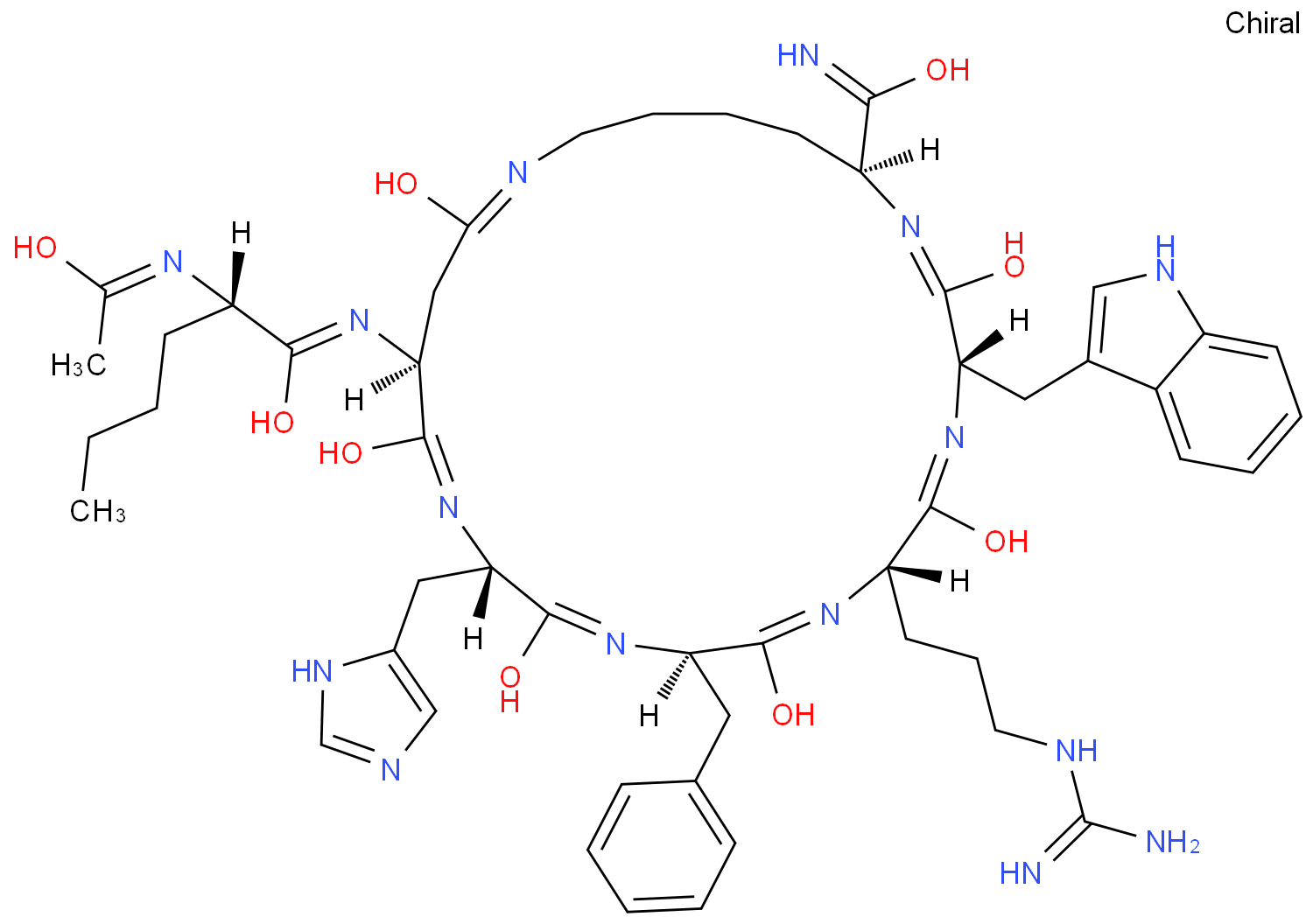
Melanotan 1, also known as afamelanotide, with the molecular formula C78H111N21O19 and CAS number 75921-69-6, is a synthetic derivative of alpha-melanocyte stimulating hormone (a-MSH). It primarily influences melanin production, promoting skin pigmentation, and offers therapeutic potential for treating photosensitivity disorders.
Melanotan 2, a related peptide with the molecular formula C50H69N15O9 and CAS number 121062-08-6, is a modification of alpha-MSH. Known for its strong binding affinity to melanocortin receptors, it is utilized not only for skin tanning but also for enhancing sexual function and regulating appetite.
Melanotan 1 and Melanotan 2 share similarities in their impact on melanin production and related physiological effects. However, key differences lie in their potency, receptor specificity, and additional effects, such as appetite suppression and sexual enhancement.


The distinct structural differences between the two peptides explain their unique pharmacokinetics and applications.
Melanotan 1 (MT1) and Melanotan 2 (MT2) are synthetic peptides derived from alpha-melanocyte-stimulating hormone (a-MSH), and they serve a range of physiological and therapeutic applications. While they share some similarities, their unique properties and mechanisms of action lead to distinct applications in areas such as skin pigmentation, sexual enhancement, weight management, and potential ancillary benefits.

Both MT1 and MT2 are primarily recognized for their ability to enhance melanin production, resulting in darker and more even skin pigmentation. This is particularly beneficial for individuals seeking photoprotection, as increased melanin levels can provide a natural defense against harmful ultraviolet (UV) radiation. MT1 is generally favored for individuals looking for a gradual and controlled tanning effect due to its milder activation of melanocortin receptors. On the other hand, MT2, being more potent, is often used for quicker and more intense tanning results, especially for individuals with lighter skin tones or those who require a rapid response to UV exposure.
MT2 has demonstrated significant effects in the realm of sexual enhancement due to its direct stimulation of the melanocortin 4 receptor (MC4R). This has led to improved sexual arousal, increased libido, and enhanced erectile function. Clinical trials have highlighted MT2's efficacy, with 85% of participants reporting improved erectile function and 68% experiencing heightened sexual desire. MT1, while also showing potential for enhancing sexual well-being, does so through indirect pathways related to overall health and vitality. For individuals seeking targeted improvements in sexual performance and satisfaction, MT2 is the preferred choice due to its robust receptor-specific action.
MT2 also shows promise in the area of weight management. Its appetite-suppressing properties have been noted in preclinical studies, suggesting potential benefits for individuals looking to manage their weight more effectively. By reducing caloric intake, MT2 can complement diet and exercise regimens, aiding in achieving weight loss goals. While MT1 does not exhibit the same appetite-regulating effects, it may still contribute indirectly to weight management by promoting overall well-being and physical activity through improved energy levels and vitality.
Aside from their primary applications, both MT1 and MT2 have shown potential in various secondary benefits, such as regulating blood pressure, influencing central nervous system functions, and enhancing willpower. Preliminary research also suggests their potential roles in neuroprotection and metabolic regulation, although more studies are required to confirm these effects. For example, MT2's impact on feeding behavior and central nervous system activity opens doors to its use in managing disorders such as obesity and addiction.
Overall, MT1 and MT2 present a diverse array of applications tailored to different health and aesthetic needs. Their unique properties and targeted effects provide individuals with versatile options for improving their quality of life and addressing specific concerns, whether related to skin health, sexual function, or weight management.
| Drawback |
Melanotan 1 |
Melanotan 2 |
|---|---|---|
| Nausea | Rarely reported | Common |
| Flushing | Minimal | Moderate |
| Appetite Changes | Not observed | Significant suppression |
Melanotan 1 is ideal for individuals seeking gradual tanning with minimal side effects, making it a safer choice for those focused solely on skin pigmentation. On the other hand, Melanotan 2 offers multifaceted benefits, including weight loss and sexual enhancement, but comes with a higher risk of side effects such as nausea. Ultimately, the choice between Melanotan 1 vs Melanotan 2 depends on the user’s specific goals, desired benefits, and tolerance for potential side effects.
If you're looking to purchase these compounds, Guidechem is your go-to platform for sourcing high-quality raw materials and reliable suppliers. With our extensive global network, we connect you to a wide range of Melanotan 1 suppliers and Melanotan 2 suppliers, ensuring you find the right products to meet your specific research or production requirements. Whether you're in pharmaceuticals, food additives, or other industries, Guidechem simplifies the sourcing process, offering verified supplier information, competitive pricing, and seamless communication.
[1] Peptide Therapeutics by J. Doe.
[2] Advances in Dermatology Research by P. Smith.
[3] Journal of Endocrinology, Vol. 98, 2023.
[4] Clinical Applications of Melanocortin Peptides by R. Lee.
 |
|
 |
 |
 |
 EN
EN
 Agricultural News
 Food News
 Industrial News
 Cosmetic News
 Pharmaceutical News
 Science News

 2YRS
2YRS


