-
We detected your language preference as English. Would you like to switch to the English version for a better experience?
Switch to English
Stay here




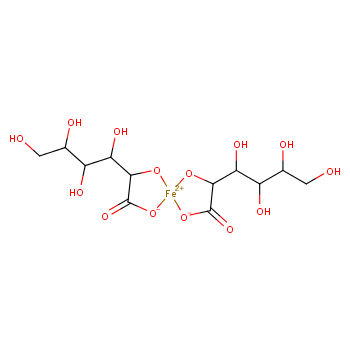
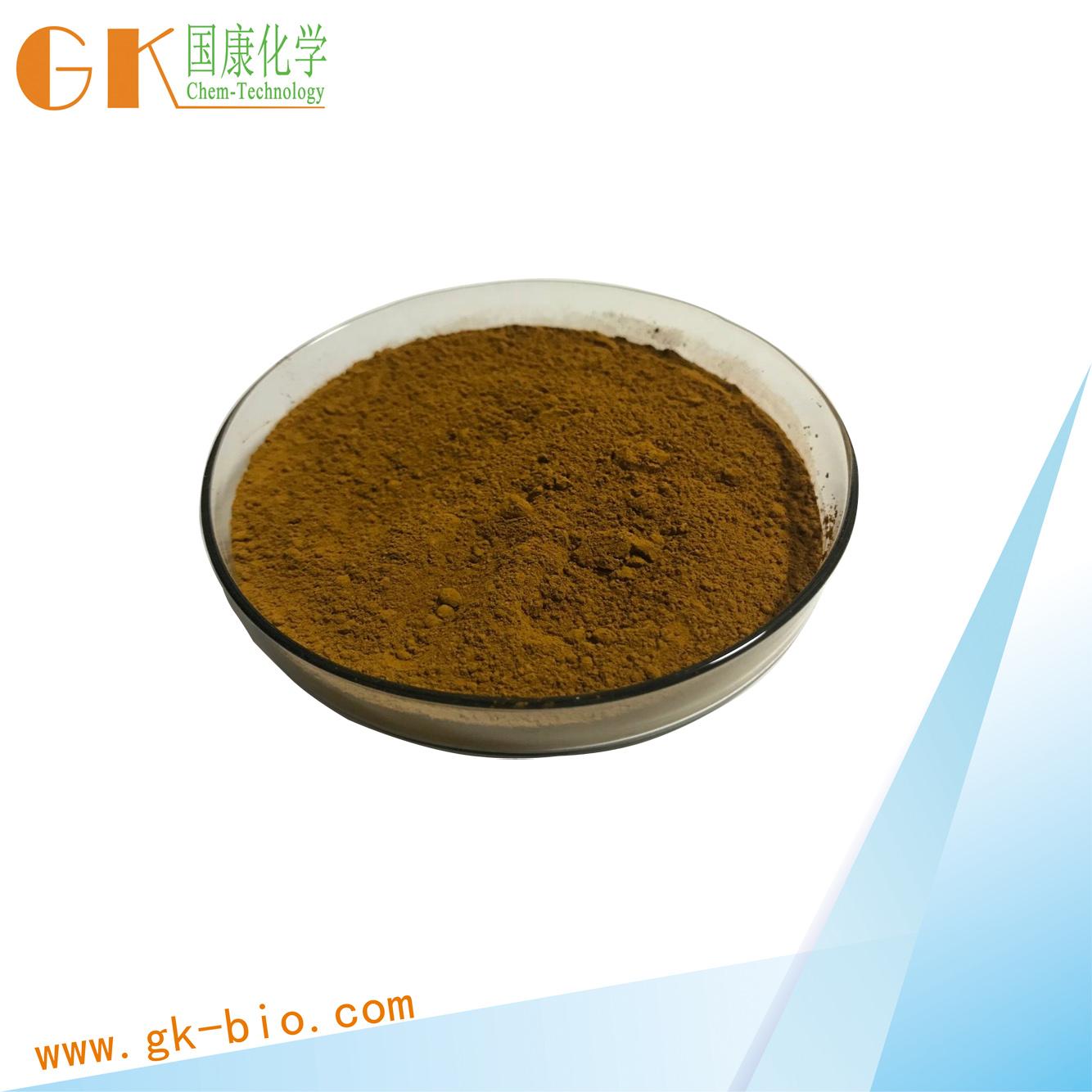
Ferrous Gluconate, with the chemical formula FeC12H22O14 and CAS number 299-29-6, is a form of iron supplement often used to treat iron deficiency anemia (IDA). Known for its gentle effect on the stomach, ferrous gluconate is derived from the combination of iron and gluconic acid. Its lower elemental iron content makes it an alternative for individuals sensitive to gastrointestinal side effects.
Ferrous Sulfate, with the chemical formula FeSO4 and CAS number 7720-78-7, is one of the most commonly prescribed iron supplements. It is an effective and economical option for addressing IDA, containing a higher percentage of elemental iron compared to ferrous gluconate. Its popularity stems from its affordability and accessibility as a treatment for various iron deficiencies.
Ferrous Gluconate and Ferrous Sulfate are widely used iron supplements, each suited for specific patient needs. The primary difference between these two compounds lies in their elemental iron content, absorption rates, and tolerance. While ferrous gluconate offers a gentler alternative, ferrous sulfate remains the preferred choice for its higher iron content and cost-effectiveness.


Both compounds are derived from processes involving ferrous ions and specific acids, but their distinct chemical compositions lead to differences in their applications and tolerability. While ferrous sulfate is a simple ionic salt, ferrous gluconate is a more complex chelated compound designed for enhanced absorption and reduced side effects.
Iron deficiency anemia (IDA) is a widespread condition affecting millions globally. It occurs when the body lacks enough iron to produce adequate hemoglobin, leading to reduced oxygen transport throughout the body. To address IDA, iron supplementation is commonly prescribed, with ferrous gluconate and ferrous sulfate being two of the most frequently used forms of iron supplements. Each has distinct advantages depending on the patient's needs, with ferrous gluconate often recommended for individuals with sensitive stomachs and ferrous sulfate being more suitable for those requiring rapid replenishment of iron.

Ferrous gluconate is particularly beneficial for individuals with sensitive gastrointestinal systems, who may struggle with common side effects of iron supplementation. Unlike other forms of iron, ferrous gluconate has a lower elemental iron content, containing approximately 12% by weight. This lower concentration significantly reduces the risk of gastrointestinal side effects such as nausea, constipation, and abdominal discomfort, which are often associated with iron supplementation. For individuals who have previously experienced intolerance to other iron supplements, ferrous gluconate offers a gentler alternative, allowing them to maintain proper iron levels without exacerbating digestive issues.
Although ferrous gluconate contains less elemental iron than other forms, it remains highly effective in replenishing iron stores when taken in the appropriate dosages. This makes it a valuable option for individuals requiring long-term iron supplementation, such as those with chronic anemia, pregnant women, or individuals with restrictive diets. Its gentle nature also makes it suitable for people who have undergone iron therapy for extended periods and need to manage their iron levels more comfortably over time.
In contrast to ferrous gluconate, ferrous sulfate is known for its higher elemental iron content, approximately 20% by weight. This higher concentration makes it particularly effective for rapidly correcting severe iron deficiency, especially in cases of moderate to severe iron deficiency anemia. Ferrous sulfate is often prescribed as a first-line treatment for individuals with pronounced symptoms of IDA, as it allows for a faster and more significant increase in iron levels. However, this increased iron content also comes with a higher likelihood of gastrointestinal side effects, such as constipation, nausea, and abdominal cramps. As such, individuals using ferrous sulfate may need to adjust their dosage or take supplementary measures to alleviate these side effects.
Despite the potential for digestive discomfort, ferrous sulfate is widely used due to its cost-effectiveness and availability. It is a commonly prescribed option in both outpatient and hospital settings, particularly for patients who require rapid intervention to stabilize their iron levels. It is frequently employed as an acute treatment in cases of severe iron deficiency anemia, after which the patient may transition to a more gentle iron supplement like ferrous gluconate for long-term maintenance.
In conclusion, both ferrous gluconate and ferrous sulfate offer valuable benefits in the treatment of iron deficiency anemia, with each supplement catering to different patient needs. Ferrous gluconate stands out as the preferred option for individuals with sensitive stomachs, offering a gentler approach with fewer side effects. On the other hand, ferrous sulfate remains the gold standard for rapid iron replenishment due to its higher elemental iron content, making it ideal for those needing quick correction of severe iron deficiency. The choice between these two iron supplements should be based on the patient's tolerance to iron, the severity of their anemia, and their long-term health goals.
| Side Effect |
Ferrous Gluconate |
Ferrous Sulfate |
|---|---|---|
| Digestive Issues | Less common, mild nausea | Common, includes constipation |
| Absorption Rate | Moderate, slower absorption | High, rapid absorption |
| Tolerance | High, gentler on the stomach | Lower, may irritate stomach |
When choosing between Ferrous Gluconate and Ferrous Sulfate, it's crucial to consider your specific health needs and tolerance to iron supplements. Ferrous Gluconate is known for its gentle impact on the gastrointestinal system, making it an excellent choice for individuals with sensitive stomachs. Its moderate absorption rate and lower elemental iron content ensure effective supplementation without causing severe side effects like nausea or constipation. This makes Ferrous Gluconate ideal for long-term use or for patients who have struggled with tolerance issues when taking other iron supplements.
On the other hand, Ferrous Sulfate is a more cost-effective and widely available option for treating iron deficiency anemia. With its higher elemental iron content, Ferrous Sulfate is better suited for individuals who require rapid replenishment of iron levels, such as those with severe anemia. However, its use may lead to gastrointestinal discomfort, including constipation and nausea, especially at higher doses. Despite these potential drawbacks, Ferrous Sulfate remains a popular first-line treatment for iron deficiency due to its affordability and efficiency in delivering results.
Ultimately, if you're looking for long-term iron supplementation with fewer side effects, Ferrous Gluconate is the superior choice. However, if rapid treatment or cost is a primary concern, Ferrous Sulfate offers a more potent and economical solution. The final decision should balance your iron requirements, tolerance, and financial considerations.
*To ensure optimal results and safe usage, consult with a healthcare provider to determine the most suitable form of iron supplement based on your health needs, dosage requirements, and any underlying medical conditions.
If you're looking to purchase these compounds, Guidechem is your go-to platform for sourcing high-quality raw materials and reliable suppliers. With our extensive global network, we connect you to a wide range of Ferrous Gluconate suppliers and Ferrous Sulfate suppliers, ensuring you find the right products to meet your specific research or production requirements. Whether you're in pharmaceuticals, food additives, or other industries, Guidechem simplifies the sourcing process, offering verified supplier information, competitive pricing, and seamless communication.
|
 |
|
 |
 EN
EN
 Agricultural News
 Food News
 Industrial News
 Cosmetic News
 Pharmaceutical News
 Science News

 2YRS
2YRS

