-
We detected your language preference as English. Would you like to switch to the English version for a better experience?
Switch to English
Stay here




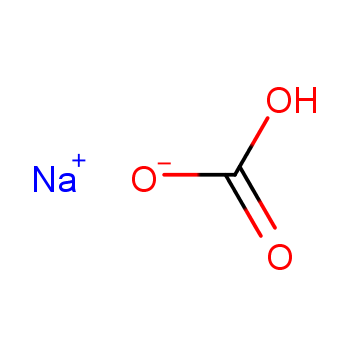
Sodium Bicarbonate, with the chemical formula NaHCO3 and CAS number 144-55-8, is commonly known as baking soda. It is widely used for its ability to neutralize acids and is an essential compound in medical, culinary, and industrial applications.
Sodium Chloride, with the chemical formula NaCl and CAS number 7647-14-5, is better known as table salt. It is indispensable for human health, culinary purposes, and various industrial applications due to its unique chemical and physical properties.
Sodium Bicarbonate and Sodium Chloride, though both containing sodium, differ significantly in their chemical composition, physical properties, and applications. Comparing sodium chloride vs sodium bicarbonate, sodium chloride remains the preferred choice for general hydration therapy, while sodium bicarbonate is more specialized for pH management. Sodium Bicarbonate is an alkaline compound, whereas Sodium Chloride is neutral. These differences underlie their distinct uses in both household and medical contexts.


The synthesis of Sodium Bicarbonate involves complex chemical reactions, while Sodium Chloride is directly extracted from natural sources. This difference highlights their distinct roles and production methods in various industries.

Sodium Bicarbonate is a remarkably versatile compound with a wide range of applications across medical, household, and industrial domains. Its primary attribute is its ability to neutralize acids, making it a staple in the treatment of conditions such as acid reflux and certain types of kidney stone formations. By reducing excess acidity, sodium bicarbonate helps maintain a balanced pH in the body, thereby alleviating discomfort and preventing complications associated with acidity-related disorders. This property makes it indispensable for individuals suffering from chronic gastrointestinal issues or metabolic imbalances.
In households, sodium bicarbonate is equally celebrated for its multifunctionality. It is a key ingredient in baking, serving as a leavening agent that facilitates the rising of dough by releasing carbon dioxide when combined with heat or acid. Beyond the kitchen, it acts as a natural deodorizer, effectively neutralizing odors in refrigerators, carpets, and shoes. Its gentle abrasive quality also makes it a safe and efficient cleaning agent for surfaces like sinks, countertops, and even delicate cookware. Many environmentally conscious consumers favor sodium bicarbonate as a non-toxic and biodegradable alternative to chemical cleaners.
Medically, sodium bicarbonate plays a critical role in emergency care settings. It is used to treat metabolic acidosis, a condition characterized by excessive acidity in the blood, often arising from conditions such as severe infections or kidney failure. Administered as an alkalizing agent in intravenous solutions, it helps restore the body's pH balance in critical situations. Moreover, ongoing research has explored its potential for preventing contrast-induced nephropathy in patients undergoing imaging procedures that require contrast dyes. While promising, studies suggest that sodium bicarbonate is not significantly superior to sodium chloride for this purpose, highlighting the importance of context in its application.
Despite its extensive benefits, sodium bicarbonate must be used with caution. Overuse or improper dosing can lead to metabolic alkalosis, a condition characterized by excessively high blood pH levels. This underscores the need for proper medical guidance when using sodium bicarbonate for therapeutic purposes. Its broad utility and effectiveness in diverse settings continue to make it a valuable compound, both in daily life and specialized applications.
Sodium Chloride, commonly known as table salt, is a vital compound essential for both human health and a variety of industrial applications. Biologically, it plays a critical role in maintaining electrolyte balance, a fundamental aspect of bodily function. Sodium ions are crucial for nerve transmission, ensuring that signals travel effectively between neurons, while chloride ions help regulate fluid levels within cells and tissues. Sodium chloride also facilitates muscle contractions, making it indispensable for everyday bodily movements and maintaining heart function. Without it, the body's ability to sustain proper hydration and perform vital functions would be severely compromised.
Beyond its physiological importance, sodium chloride has a prominent place in culinary and preservation practices. As a flavor enhancer, it is a staple in cooking, improving the taste of a wide range of dishes. Its preservative qualities prevent bacterial growth in processed and stored foods, significantly extending shelf life and ensuring food safety. This dual function has made sodium chloride a cornerstone of the global food industry. Furthermore, its applications extend to industrial domains, where it is widely used as a de-icing agent for roads during winter. By lowering the freezing point of water, it helps to prevent ice formation, enhancing safety on highways and sidewalks. Sodium chloride is also a key raw material in the chemical industry, contributing to the production of various products such as chlorine and sodium hydroxide.
However, the widespread use and consumption of sodium chloride come with health concerns. In modern diets, excessive intake—primarily through processed and fast foods—has been linked to significant health risks, including hypertension, cardiovascular diseases, and kidney-related issues. This underscores the importance of dietary moderation and the need for healthier food choices to mitigate these risks. Medical applications of sodium chloride further highlight its importance. It is commonly used in saline solutions to treat dehydration, restore electrolyte balance, and maintain proper blood volume during medical procedures or recovery from illnesses. Whether ingested as part of a meal, applied as a de-icing agent, or utilized in medical contexts, sodium chloride remains one of the most versatile and indispensable compounds in human society.
sodium bicarb vs sodium chloride applications vary significantly, reflecting their distinct chemical properties and benefits. Sodium Bicarbonate excels in neutralizing acids and household cleaning, whereas Sodium Chloride is essential for biological functions and diverse industrial uses. The selection between these compounds should be guided by the specific requirements of the application and individual health considerations.
| Side Effect |
Sodium Bicarbonate |
Sodium Chloride |
|---|---|---|
| Gastrointestinal Issues | May cause bloating or stomach discomfort | Unlikely unless consumed in excess |
| Blood Pressure | Can lead to alkalosis with prolonged use | May increase blood pressure in sensitive individuals |
| Kidney Strain | Requires monitoring in kidney disease | Linked to kidney stone formation with high intake |
When considering the best option between sodium bicarbonate and sodium chloride, it is crucial to understand your specific health goals and physiological requirements. Sodium bicarbonate is particularly beneficial in managing acid-related conditions such as acid reflux or metabolic acidosis. Its alkalizing properties help neutralize stomach acid and restore pH balance, making it an excellent choice for individuals needing to address temporary acid imbalances. Additionally, its use in sports supplements to buffer lactic acid buildup can support endurance and performance for athletes. However, it should be used cautiously in individuals with hypertension or kidney issues due to its sodium content.
In contrast, sodium chloride is essential for maintaining proper hydration and electrolyte balance. Its role in fluid retention and nerve transmission makes it indispensable for overall health. Sodium chloride is a safer option for daily use in individuals without sodium-related health concerns. However, excessive consumption can lead to health issues like high blood pressure or water retention. Those with certain health conditions, such as chronic kidney disease or heart problems, should monitor sodium chloride intake carefully.
Ultimately, if you need a targeted approach to manage acidity or enhance athletic performance, sodium bicarbonate is the better choice. On the other hand, for general hydration and electrolyte needs, sodium chloride remains indispensable, provided it is consumed in moderation.
*For optimal results, always consult your healthcare provider to determine the appropriate form and dosage of these compounds based on your unique health needs and underlying conditions.
If you're looking to purchase these compounds, Guidechem is your go-to platform for sourcing high-quality raw materials and reliable suppliers. With our extensive global network, we connect you to a wide range of Sodium Bicarbonate suppliers and Sodium Chloride suppliers, ensuring you find the right products to meet your specific research or production requirements. Whether you're in pharmaceuticals, food additives, or other industries, Guidechem simplifies the sourcing process, offering verified supplier information, competitive pricing, and seamless communication.
[1] Role of Sodium in Human Health by A. Smith.
[2] Uses of Sodium Compounds by J. Brown.
[3] Sodium Bicarbonate and Its Medical Applications in Journal of Clinical Medicine.
[4] Sodium Chloride and Hypertension in Cardiology Today.
[5] Kidney Stones and Dietary Sodium by M. Roberts.
 |
 |
|
 |
 |
 |
 EN
EN
 Agricultural News
 Food News
 Industrial News
 Cosmetic News
 Pharmaceutical News
 Science News

 1YR
1YR

