-
We detected your language preference as English. Would you like to switch to the English version for a better experience?
Switch to English
Stay here




Clotrimazole, with the chemical formula C22H17ClN2 and CAS number 23593-75-1, is an over-the-counter (OTC) antifungal agent commonly used to treat fungal skin infections such as athlete's foot, ringworm, and jock itch. It is applied topically and is known for its effectiveness in inhibiting the growth of fungi by disrupting their cell membrane.
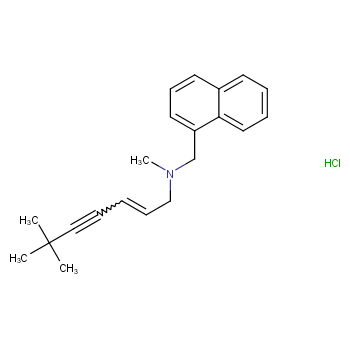
Terbinafine Hydrochloride, with the chemical formula C21H26ClN and CAS number 78628-80-5, is a systemic antifungal medication used to treat fungal infections, particularly those affecting the nails and skin. It is available in oral and topical forms, with the oral formulation being commonly prescribed for fungal nail infections.
Clotrimazole and Terbinafine Hydrochloride are both antifungal agents, but they differ significantly in their applications, forms, and side effects. While clotrimazole is mainly used topically for skin infections, terbinafine is a first-choice treatment for fungal nail infections, with its oral form providing deep tissue penetration for effective treatment.


Clotrimazole and Terbinafine Hydrochloride are both highly effective antifungal agents, but each is suited for distinct clinical applications depending on the type of fungal infection and the preferred treatment method. Their main differences lie in the treatment areas they address and the formulations in which they are available, offering clinicians and patients a range of options for managing various fungal conditions.

Clotrimazole is widely utilized in the treatment of superficial fungal skin infections, especially those caused by dermatophytes, yeasts, and molds. Its broad-spectrum antifungal activity makes it an essential first-line treatment for common conditions such as athlete's foot, jock itch, ringworm, and other fungal rashes. The mechanism of action involves clotrimazole binding to the fungal enzyme lanosterol 14α-demethylase, inhibiting the synthesis of ergosterol. Ergosterol is a key component of the fungal cell membrane, and its deficiency weakens the cell structure, leading to fungal cell death.
Topical clotrimazole is available in various formulations, including creams, lotions, powders, and sprays, providing patients with flexibility in their treatment choices. These formulations are typically applied once or twice a day, depending on the severity of the infection. The treatment is relatively easy to follow, with most individuals reporting few side effects. Mild skin irritation or redness at the site of application is occasionally reported, but such reactions are typically transient and resolve once the treatment is discontinued.
Beyond its use in dermatophyte infections, clotrimazole has additional applications. It is sometimes prescribed for managing diaper rash, where fungal overgrowth can occur in the moist environment of a baby’s diaper. Additionally, it is used to treat oral thrush, a common yeast infection in the mouth caused by Candida species. The ease of access, affordability, and proven efficacy of clotrimazole make it a frequently recommended option for treating mild to moderate fungal skin infections, especially when the goal is a straightforward, topical remedy that can be obtained over-the-counter.
On the other hand, Terbinafine Hydrochloride is especially effective in the treatment of more serious and persistent fungal infections, particularly those affecting the nails. Nail infections, often caused by dermatophytes such as Trichophyton rubrum, are notoriously difficult to treat due to the thickness of the nail and the ability of the fungi to persist in keratinized tissue. Terbinafine is considered the first-choice treatment for onychomycosis, or nail fungus, due to its potent antifungal properties and its ability to effectively target the root cause of the infection.
The drug works by inhibiting squalene epoxidase, an enzyme critical for the synthesis of ergosterol, another vital component of fungal cell membranes. This inhibition leads to an accumulation of squalene, a toxic compound within the fungal cell, eventually resulting in the death of the pathogen. Terbinafine’s effectiveness in eradicating dermatophyte infections makes it a powerful tool in treating nail fungus, though the treatment duration is often long. Oral terbinafine may require several weeks to months of continuous use to fully eradicate the infection, depending on the extent of nail involvement and the growth cycle of the nail.
While oral terbinafine is the preferred treatment for nail infections, topical formulations are also available. These topical treatments are typically used for superficial fungal infections and can be applied directly to the affected area. However, when it comes to deep or persistent infections, the oral formulation is significantly more effective, as it allows the drug to be absorbed into the bloodstream and delivered directly to the site of infection, including under the nail.
Although generally well-tolerated, terbinafine is associated with some potential side effects. These can include mild symptoms such as headache, rash, diarrhea, and gastrointestinal disturbances like an upset stomach. In rare cases, more severe side effects like liver toxicity or allergic reactions may occur, but these are uncommon and typically reversible upon discontinuation of the drug. Due to these risks, it is advisable for individuals undergoing prolonged terbinafine therapy to have their liver function monitored.
In summary, Clotrimazole is an effective and widely used topical antifungal treatment for skin infections, offering minimal side effects and ease of use. It is suitable for conditions such as athlete's foot and ringworm. On the other hand, Terbinafine Hydrochloride, particularly in its oral form, is the first-choice treatment for nail infections, offering deep tissue penetration and effective results, though it requires a longer treatment duration. Both medications are highly effective in their respective applications, making them essential tools in the management of fungal infections.
| Side Effect |
Clotrimazole |
Terbinafine Hydrochloride |
|---|---|---|
| Skin Irritation | Rare, may cause mild irritation or redness | Unlikely, but may cause skin irritation in topical use |
| Liver Toxicity | Rare, but should be used cautiously in those with liver conditions | Can cause liver damage in rare cases, requires monitoring |
| Headache | Rare | Can occur as a side effect of oral terbinafine |
| Gastrointestinal Distress | Uncommon, possible mild irritation | Common, may cause nausea, diarrhea, or upset stomach |
When selecting the appropriate antifungal treatment for your needs, it's important to consider the type of fungal infection, its severity, and how your body may react to each treatment. Clotrimazole is widely known for its effectiveness against superficial fungal infections, such as athlete's foot, ringworm, and jock itch. It works by disrupting the fungal cell membrane, which prevents the fungi from growing and spreading. As a topical antifungal, Clotrimazole is a suitable option for localized infections, offering a relatively safe treatment with minimal systemic side effects. For those looking for a quick and targeted solution, Clotrimazole may be the best choice.
On the other hand, Terbinafine Hydrochloride is often preferred for more stubborn or widespread fungal infections, particularly those affecting the nails and scalp. Terbinafine works by inhibiting an enzyme involved in the production of ergosterol, a key component of fungal cell membranes. This makes it effective for treating systemic and dermatophyte infections, including those resistant to other treatments. While Terbinafine is more potent for some deeper or more persistent infections, it may also require longer treatment courses and carries a slightly higher risk of systemic side effects, such as liver toxicity.
Ultimately, if you're dealing with a localized or superficial infection, Clotrimazole is likely the more appropriate option due to its ease of use, fewer side effects, and faster relief. However, if you're managing a more severe or deep infection, particularly in areas such as nails or scalp, Terbinafine Hydrochloride may be more effective, though it may come with additional risks and a longer treatment duration.
*To ensure the best results and select the most suitable antifungal treatment for your specific condition, it is highly recommended to consult your healthcare provider. They have the expertise to evaluate your health history, current medications, and the severity of your condition. With this information, they can offer personalized advice, help you avoid potential drug interactions, and recommend the most effective treatment options tailored to your needs.
If you're looking to purchase these compounds, Guidechem is your go-to platform for sourcing high-quality raw materials and reliable compound suppliers. With our extensive global network, we connect you to a wide range of Clotrimazole suppliers and Terbinafine Hydrochloride suppliers, ensuring you find the right products to meet your specific research or production requirements. Whether you're in pharmaceuticals, medical research, or other industries, Guidechem simplifies the sourcing process, offering verified supplier information, competitive pricing, and seamless communication.
 |
|
 |
 |
 |
 EN
EN
 Agricultural News
 Food News
 Industrial News
 Cosmetic News
 Pharmaceutical News
 Science News

 1YR
1YR

