-
We detected your language preference as English. Would you like to switch to the English version for a better experience?
Switch to English
Stay here



This article explores the multifunctional role of tripolyphosphate de sodium in food. From enhancing texture to extending the shelf life of food, it delves into the various uses of STPP and insights into its impact on food safety and consumer health.
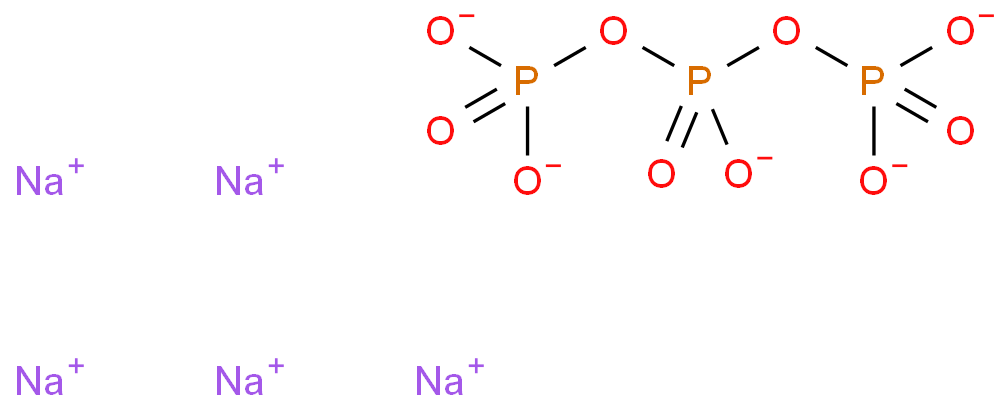
Why is tripolyphosphate de sodium used in food? Tripolyphosphate de sodium (STPP) plays a crucial role in the food industry, its importance stemming from its versatile properties and wide-ranging applications. Composed of sodium ions and polyphosphate chains, STPP exhibits significant capabilities in altering the texture, stability, and shelf life of food products. Besides its chemical composition, the evolution of STPP reveals a fascinating narrative. Initially used in industrial processes for its water-softening and cleansing properties, it gradually found applications in culinary innovations, revolutionizing food production and preservation. From enhancing the juiciness of meat to preventing spoilage in canned foods, STPP has become a cornerstone additive in modern food processing, shaping the landscape of food technology with its ingenuity and efficacy.

The tripolyphosphate de sodium uses in food primarily involve food processing and preservation.
Tripolyphosphate de sodium (STPP) plays a crucial role in enhancing the quality of processed foods, particularly in texture. As a versatile ingredient, STPP acts as a water binder, helping to retain moisture and improve the overall texture of various foods. For example, in meat processing, STPP can tenderize muscle fibers, making the cut meat juicier and more flavorful. Similarly, in seafood applications, STPP can prevent excessive moisture loss during freezing and thawing processes, maintaining the delicate texture and taste of fish and shellfish. By incorporating STPP into food formulations, manufacturers can achieve desired sensory properties, meeting consumers' expectations for texture and consistency.
One of the main benefits of using tripolyphosphate de sodium in food production is its ability to extend the shelf life of perishable products. STPP helps maintain the freshness and quality of food over an extended period by inhibiting microbial growth and oxidative spoilage. This preservation effect is particularly valuable in processed meats, seafood, and frozen foods, where maintaining product integrity during storage and distribution is crucial. By prolonging shelf life, STPP not only reduces food waste but also provides convenience to consumers, allowing them to enjoy high-quality products for longer without sacrificing taste and nutritional value.
Tripolyphosphate de sodium is a common food additive found in various processed foods. STPP is typically used to enhance texture, retain moisture, and extend shelf life, making it prevalent in products such as canned seafood, frozen shrimp, and processed meats. Its role in food processing is multifaceted, serving as a stabilizing emulsifier, improving the tenderness of meat products, and preventing discoloration in seafood. Due to its versatility and cost-effectiveness, STPP has become a primary additive in the food industry, enabling manufacturers to meet consumer demand for convenient, shelf-stable products without compromising quality.
However, during the use of tripolyphosphate de sodium, some instances of misuse have been observed. For example, some unscrupulous businesses may excessively add STPP to foods to save costs, which may not only affect the quality and nutritional value of the food but also pose potential health risks to consumers. Regulatory agencies such as the U.S. Food and Drug Administration (FDA) and the European Food Safety Authority (EFSA) have established strict compliance measures to regulate the use of STPP in food processing. These measures include setting maximum allowable levels of STPP in specific food categories and requiring accurate labeling to inform consumers of its presence. Additionally, manufacturers must adhere to Good Manufacturing Practices (GMP) and Hazard Analysis and Critical Control Points (HACCP) principles to maintain food safety standards. Through rigorous regulation, authorities aim to protect consumer health while ensuring the continued supply of safe and high-quality food products containing STPP.
Tripolyphosphate de sodium possesses chelating, dispersing, and other properties that can improve food quality, flavor, and shelf life. Tripolyphosphate de sodium is a food additive used in various processed foods, such as canned goods, fruit juices, and plant-based protein beverages. However, during its use, the correct and standardized dosage must be observed. Generally, the maximum dosage is 10g/kg, while for dairy products, poultry products, meat products, ice cream, instant noodles, and other products, the maximum dosage is 50g/kg.
Many people are concerned about the safety and usage of tripolyphosphate de sodium in food, mainly due to their inability to distinguish between facts and fiction when encountering misinformation and errors. Contrary to popular belief, when used at approved levels, regulatory agencies generally consider STPP to be safe (GRAS). It is worth noting that STPP undergoes rigorous testing and evaluation before being approved for use in food. Studies consistently show that when consumed in normal dietary amounts, the risk of STPP to human health is minimal. Additionally, regulatory agencies like the FDA and EFSA regularly review and update safety assessments based on the latest scientific research. By understanding the scientific evidence and regulatory oversight regarding STPP, consumers can make informed decisions about incorporating it into their diets, dispelling misconceptions, and promoting a more accurate understanding of its safety.
Looking ahead to the future of food technology, tripolyphosphate de sodium is poised for continued innovation and advancement. Emerging applications of STPP in food science are expected to transform the industry, offering novel solutions to age-old challenges. Researchers and food technologists are exploring the potential of STPP in new formulations, such as encapsulation techniques for controlling flavor and nutrient release. Furthermore, advances in nanotechnology are opening doors to new possibilities, with STPP nanoparticles showing potential for enhancing food texture and stability.
While innovating, the food industry is also increasingly focused on sustainability, prompting exploration of eco-friendly alternatives to traditional additives like STPP. With growing concerns about environmental impact, there is an urgent need to seek sustainable solutions that minimize resource consumption and ecological footprint. Researchers are studying natural alternatives to STPP, such as plant-based stabilizers and biodegradable polymers, which offer similar functionality without adverse environmental effects. Additionally, efforts are underway to optimize production processes and reduce waste associated with STPP manufacturing.
When selecting foods containing tripolyphosphate de sodium (STP), evaluating the overall nutritional content and considering moderate intake is crucial. STP is commonly used as a preservative and emulsifier in processed foods, especially seafood and meats. However, excessive consumption of STP may lead to adverse health effects such as elevated blood pressure. To mitigate risks, consumers should opt for fresh, minimally processed foods and limit intake of heavily processed foods. It's also important to pay attention to the type of STP used in food products, as there are different types such as food-grade STP and industrial-grade STP. Food-grade STP is a safety-grade used for food processing, while industrial-grade STP may pose potential threats to human health. Understanding recommended daily sodium intake and carefully reading product labels can enable consumers to make healthier choices for themselves and their families.
For industry professionals involved in food processing, ensuring the safe and responsible use of tripolyphosphate de sodium is crucial. Appropriate handling and storage procedures should be implemented to maintain product integrity and prevent contamination. Storage and packaging of tripolyphosphate de sodium require special attention, avoiding contact with oxidizing agents, acidic substances, etc., to minimize potential hazards. During the use of tripolyphosphate de sodium, proper protective equipment should be worn, and safety protocols followed to minimize potential risks due to mishandling. In the event of leaks or spills during the use of tripolyphosphate de sodium, emergency response measures should be taken, and relevant authorities contacted for assistance. Waste should be disposed of separately and handled by professional hazardous waste disposal companies.
In shaping the future of food, tripolyphosphate de sodium (STPP) plays a crucial role. STPP, a white powdery polyphosphate salt, is typically expressed in terms of its theoretical value of complexing capacity as a calcium value of 13. It is widely used in various fields such as food, industry, and chemical industry, with a global market size of around 15 billion yuan, with China having the largest market share, exceeding 40%.
In the future food market, the selection and use of STPP need to be cautious. Food additives are not a panacea, and their proper use can improve food quality and extend shelf life. However, if used improperly, they can have a negative impact on food quality and consumer health. Therefore, strengthening the regulation of food additives and using STPP reasonably are essential to truly shape a healthy future for food.
[1] Tao, S., Ma, R., Guo, X., et al. (2019). Effects of Sodium Chloride and tripolyphosphate de sodium Addition on the Quality of Steamed Ham. Meat Research, 33(12), 18-24.
[2] Guo, T. Y. (2015). Effects of Sodium Chloride and tripolyphosphate de sodium on the Gel Characteristics of Ultra-High-Pressure Chicken Meat Products. (Master's thesis). Nanjing Agricultural University.
[3] Tian, R. H., Lu, G. S., Peng, Z. Q., et al. (2013). Effect of Hydrolysis of tripolyphosphate de sodium on the Disintegration and Gel Properties of Myosin. Food Science, 34(15), 126-130.
 |
 |
|
 |
 |
 |
 EN
EN
 Agricultural News
 Food News
 Industrial News
 Cosmetic News
 Pharmaceutical News
 Science News

 1YR
1YR

