-
We detected your language preference as English. Would you like to switch to the English version for a better experience?
Switch to English
Stay here



Is tripolyphosphate de sodium safe? In this article, we explore the safety considerations surrounding tripolyphosphate de sodium (STPP), revealing its potential risks, uses, and regulations. Whether you're a consumer or an industry professional, understanding the safety implications of STPP is crucial. Let's delve into the facts and make informed decisions.
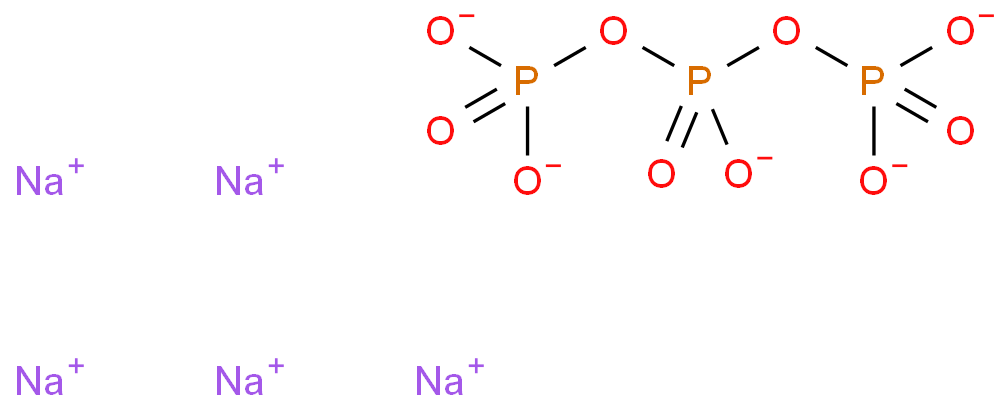
Tripolyphosphate de sodium (STPP), also known as pentasodium triphosphate or sodium pentatrisphosphate, has a chemical formula of Na5P3O10 and a molecular weight of 368. It is commonly found as a white powder or granular solid. With excellent chelating and buffering abilities, STPP finds widespread applications in various industries, serving as a sequestrant and pH regulator in the food industry, as well as a bleaching agent and dye auxiliary in the textile industry. Over 85% of STPP produced domestically is used as a detergent additive, with research focusing on high-density STPP.

Research suggests that prolonged exposure to high concentrations of STPP may lead to adverse health effects. What is tripolyphosphate de sodium side effects? Reported side effects include gastrointestinal disturbances such as nausea and diarrhea, as well as skin and eye irritation upon direct contact. Furthermore, some studies have linked STPP exposure to potential environmental hazards, such as water pollution and harmful algal blooms. While STPP serves as a food additive to prevent protein denaturation, retain moisture, and enhance antioxidant properties, excessive use in food may lead to skin itching or imbalances in other nutritional components, affecting human health. Detection methods for STPP include capillary electrophoresis, complexometric titration, ion chromatography, etc.
However, some reports indicate that STPP is safe as long as it is used and stored correctly.
Therefore, the question "Is tripolyphosphate de sodium safe?" remains controversial, balancing its benefits and potential risks. Regulatory measures and guidelines for managing STPP use must be considered to mitigate associated risks. Regulatory agencies worldwide restrict STPP concentrations in consumer goods and food additives to ensure human safety. Additionally, encouraging industries to adopt sustainable practices and alternative chemicals is essential to minimize environmental impact.
As a common food additive, tripolyphosphate de sodium is often added to foods for purposes such as preservation, freshness, stability, and texture improvement. However, recent consumer concerns about its safety have sparked widespread discussion.
In food preservation, STPP plays a significant role by increasing the pH of products to inhibit bacterial growth, prolonging shelf life, enhancing stability, and freshness. However, improper handling during production or transportation may introduce trace amounts of STPP, leading to consumer misconceptions and concerns.
In food safety, tripolyphosphate de sodium, when used according to regulations, does not pose harm to human health. According to the Food Safety Law, if STPP is introduced from raw materials and not explicitly indicated on product labels, this defect does not affect food safety or mislead consumers. However, excessive or improper use may have adverse health effects. Therefore, food producers must strictly adhere to the regulations on food additives, follow product instructions, and control dosage to ensure food safety and quality.
In China, strict regulations and supervision govern the use of food additives. The National Food Safety Standard for Food Additives (GB 2760) details the types, scope of use, maximum usage levels, and dosage of food additives. Additionally, relevant authorities conduct regular inspections and supervision of food additive use to ensure safety and quality.
While widely used in synthetic detergents, ceramics production, soap enhancers, and preventing soap scum, tripolyphosphate de sodium can have adverse environmental effects during use.
Firstly, STPP production requires significant energy and resources. According to data, producing one ton of STPP consumes a large amount of water and energy resources, generating a considerable amount of wastewater and emissions during the process, polluting the environment. Secondly, upon entering the environment, STPP can disrupt ecosystems. Due to its excellent chelating and dispersing properties, STPP can react with metal ions in the environment, forming harmful compounds that not only pollute the environment but also harm aquatic organisms, soil microbes, and ecosystems.
Today, the ecological footprint of tripolyphosphate de sodium has attracted increasing attention. Finding superior alternatives to STPP that minimize environmental impact while ensuring sustainability in production processes is imperative. Currently, some companies are developing new clean technologies and sustainable alternatives. Manufacturers are also beginning to address environmental issues by strengthening management and control during production to reduce pollution. Governments are actively promoting phosphate-free detergents to reduce "eutrophication" in water bodies.
Improper use of tripolyphosphate de sodium can be harmful to human health and the environment. As a detergent additive, it is mainly used as a soap enhancer and to prevent soap scum and frosting. However, its thermal decomposition can produce irritating and toxic gases that, upon contact with the body, may cause eye, skin, and respiratory irritation. Additionally, it has a strong emulsifying effect on lubricating oils and fats, and ingestion may cause nausea, vomiting, spasms, abdominal pain, diarrhea, and severe gastric and intestinal inflammation. Therefore, necessary safety measures should be taken when using tripolyphosphate de sodium, including avoiding contact with eyes and skin, preventing inhalation of particles, and storing and handling according to regulations. Additionally, individuals exposed to tripolyphosphate de sodium should promptly cleanse their bodies to prevent harm.
Navigating the regulatory environment surrounding tripolyphosphate de sodium (STPP) requires compliance with strict standards and regulatory measures established by global regulatory agencies. These standards specify permissible levels of STPP in various applications, including food additives, cleaning products, and industrial processes. Regulatory agencies such as the U.S. Food and Drug Administration (FDA) and the European Food Safety Authority (EFSA) have set maximum limits for STPP usage to ensure consumer safety and environmental protection. Compliance with these standards requires meticulous monitoring of STPP concentrations in products and adherence to labeling requirements to inform consumers of its presence.
Safety handling practices and regulatory compliance measures are crucial for minimizing potential risks associated with STPP usage. Industries using STPP must implement strict safety protocols to protect workers and the environment from harm. This includes providing appropriate training on handling and storage procedures to maintain product integrity and prevent contamination. Furthermore, regulatory compliance measures include documentation of STPP usage, such as Material Safety Data Sheets (MSDS), and submission of compliance reports to relevant authorities. By prioritizing safety handling practices and regulatory compliance, industries can mitigate potential hazards associated with tripolyphosphate de sodium while ensuring product efficacy and consumer safety.
Due to the phosphorus content in tripolyphosphate de sodium causing "eutrophication" in water bodies, finding superior alternatives has become urgent.
Several alternatives are available on the market, such as trisodium phosphate and hexametaphosphate. Trisodium phosphate is a common chemical raw material, and its production process includes preparation, neutralization, drying, and condensation, similar to the production process of tripolyphosphate de sodium. Hexametaphosphate is an anionic surfactant widely used in industries such as detergents and food additives.
While these alternatives may replace tripolyphosphate de sodium in some aspects, they still face challenges in terms of performance and cost. For example, trisodium phosphate may be more cost-effective, but its cleaning power and stability may not be as good as tripolyphosphate de sodium. Hexametaphosphate may not perform as well as tripolyphosphate de sodium in some areas, such as in the detergent industry, where its cleaning power may be inferior.
Nevertheless, the emergence and promotion of these alternatives are significant for reducing the use of tripolyphosphate de sodium, minimizing environmental pollution, and resource wastage. With ongoing technological advancements and development, research and development of alternatives continue, and it is believed that more alternatives will emerge in the future, contributing to environmental protection efforts.
The safety, usage, and future considerations of tripolyphosphate de sodium entail complex benefits and potential risks. While STPP provides valuable functionalities across various industries, including food production, cleaning products, and water treatment, concerns remain about its impact on human health and the environment. When considering the use of STPP, consumers and industry professionals should carefully weigh these factors, which is crucial.
As we move towards a more sustainable future, prioritizing the adoption of safer alternatives and environmentally friendly practices is imperative to minimize potential adverse effects associated with STPP. Through making informed decisions and responsible management, we can ensure the safe and sustainable use of tripolyphosphate de sodium in the modern world.
[1] GB 1886.335-2021, National Food Safety Standard Food Additives tripolyphosphate de sodium [S].
[2] Chen Z., Wang Y., Li Y. (2020). Detection of tripolyphosphate de sodium in Two Types of Foods Using N-CQDs-Al3+ Probe. Analysis Laboratory, 39(05), 586-589. DOI:10.13595/j.cnki.issn1000-0720.2019.080702.
[3] Zheng W., Qu Y., Zhang Y. (2018). Research on the Production Process of Low-Density tripolyphosphate de sodium. Chemical Technology and Development, 47(07), 45-46+4.
[4] Xiao Q. (2016). Determination of Nitrite and Nitrate Content in tripolyphosphate de sodium Food Additive by Ultraviolet Spectrophotometry. China Condiment, 41(03), 125-127.
 |
|
 |
 |
 |
 |
 EN
EN
 Agricultural News
 Food News
 Industrial News
 Cosmetic News
 Pharmaceutical News
 Science News

 1YR
1YR

