-
We detected your language preference as English. Would you like to switch to the English version for a better experience?
Switch to English
Stay here




Gamma linolenic acid (GLA), methylcobalamin, and vitamin C are three nutrients widely recognized for their positive impact on human health. Their combined benefits involve multiple aspects, including immune system support, antioxidant effects, and maintenance of nervous system function.
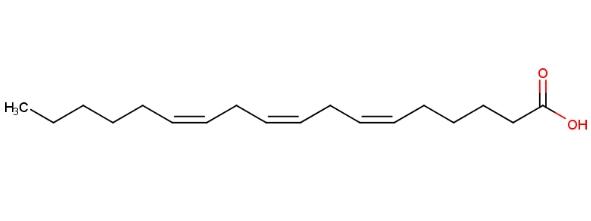
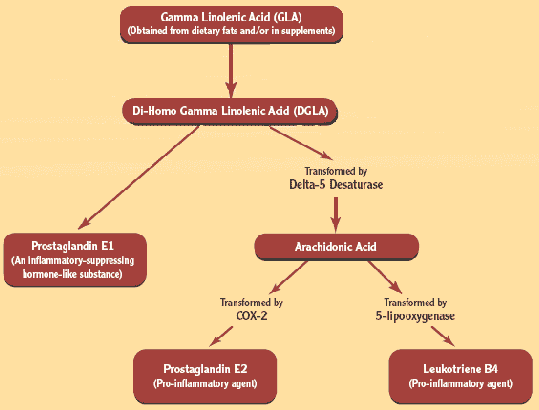
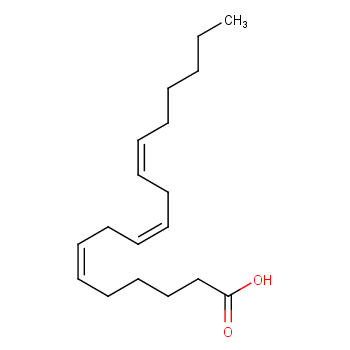
Fatty acids are the most representative nutrients in oils, classified into saturated fatty acids, unsaturated fatty acids, and polyunsaturated fatty acids. Among polyunsaturated fatty acids, n-6 and n-3 are crucial. Gamma linolenic acid (GLA), an n-6 polyunsaturated fatty acid, is structurally known as cis-6, cis-9, cis-12 octadecatrienoic acid. GLA is an intermediate metabolite of linoleic acid in the human body, vital for composing biological membranes. It synthesizes active components needed by the body through physiological and biochemical activities, producing various metabolites. Normal individuals metabolize linoleic acid into GLA via delta-6-desaturase, further converting it into dihomo-gamma-linolenic acid and then into arachidonic acid, which transforms into important derivatives like prostaglandins, leukotrienes, and thromboxanes. These derivatives participate in cell composition and regulate physiological and biochemical activities. Research shows GLA's significant physiological and pharmacological roles in the cardiovascular, immune, reproductive, and endocrine systems.

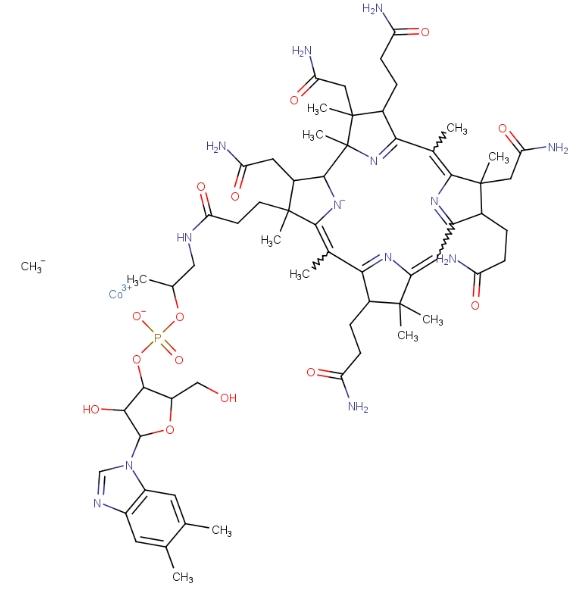
Methylcobalamin (MeCbl or MeB12) is a form of vitamin B12 with a methyl group replacing the cyanide found in cyanocobalamin. It possesses a cobalt (III) center and can be obtained as bright red crystals. From a coordination chemistry perspective, methylcobalamin is a rare compound containing a metal-carbon bond. Physiologically equivalent to vitamin B12, methylcobalamin prevents or treats vitamin B12 deficiency-induced pathologies, including peripheral neuropathy, diabetic neuropathy, and initial amyotrophic lateral sclerosis treatment. Ingested methylcobalamin converts to cob(II)alamin via MMACHC, which further transforms into adenosylcobalamin and methylcobalamin used as cofactors. Studies recommend treating vitamin B12 deficiency with a combination of hydroxocobalamin, cyanocobalamin, or adenosylcobalamin and methylcobalamin, rather than methylcobalamin alone.
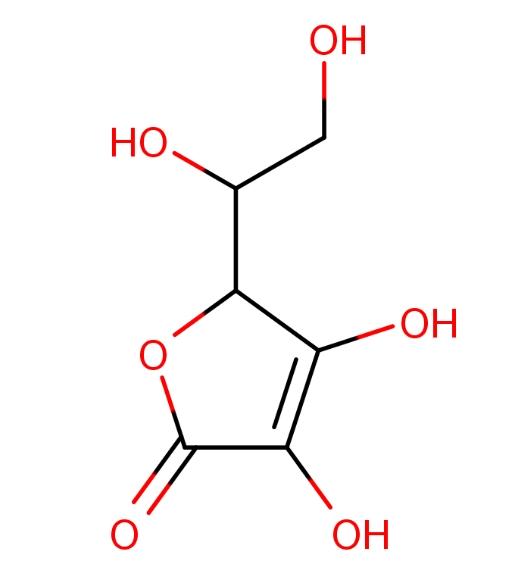
Vitamin C (also known as ascorbic acid and ascorbate) is a water-soluble vitamin found in citrus fruits, other fruits, berries, and vegetables. It is also a widely prescribed drug and over-the-counter dietary supplement in some countries. Vitamin C prevents and treats scurvy, a disease caused by vitamin C deficiency. It is essential for tissue repair, collagen formation, and certain neurotransmitter enzymatic production, crucial for immune system function. Vitamin C also acts as an antioxidant. It can be administered orally, intramuscularly, subcutaneously, or intravenously. Various health claims suggest moderate vitamin C deficiency increases disease risk, such as colds, cancer, or COVID-19. Some assert benefits from exceeding the recommended dietary intake of vitamin C even in non-deficient individuals. Generally well-tolerated, high doses may cause gastrointestinal discomfort, headaches, sleep disturbances, and skin flushing. The U.S. Institute of Medicine advises against excessive consumption.
Gamma linolenic acid benefits diabetic neuropathy. Diabetics exhibit essential fatty acid metabolism disorders, necessitating more essential fatty acids. GLA supplementation alleviates neuralgia symptoms. Methylcobalamin, an essential nutrient for neurons, protects them from oxidative stress and is a rare organic metal compound. It treats vitamin B12 deficiencies like pernicious anemia and effective methylcobalamin deficiency. Diabetic neuropathy adds stress to vitamin C stores, depleting natural antioxidants. Vitamin C supplementation improves neuropathy symptoms.
Gamma linolenic acid + methylcobalamin treats nutritional deficiencies. GLA is an anti-inflammatory, immune-enhancing fatty acid, and methylcobalamin is an active form of vitamin B12, aiding normal cell growth, development, protein synthesis, and blood cell production, compensating for nutritional deficiencies.
The combination of gamma linolenic acid, methylcobalamin, and vitamin C is a multivitamin supplement treating diabetic neuropathy, peripheral neuropathy, beriberi, Alzheimer's disease, and Wernicke-Korsakoff syndrome. It treats age-related macular degeneration and malnutrition, enhancing the immune system and promoting nervous system development. This combination improves nerve conduction and speed, alleviating neuropathic pain, improving neuropathy, and regulating blood calcium levels, reducing atherosclerosis and neuropathy risk factors. Gamma linolenic acid treats age-related macular degeneration, methylcobalamin lowers elevated homocysteine levels and aids red blood cell production, essential for treating anemia. It helps form myelin, protecting nerve fibers and restoring damaged nerve cell vitality. Vitamin C's antioxidant properties protect peripheral nerves and enhance diabetic neuron function and conduction.
MECGLA capsules, produced by Nouveau Medicament Pvt Ltd., combine gamma linolenic acid (100mg), methylcobalamin (100mcg), and vitamin C (100mg), typically used for diagnosing or treating vitamin B12 deficiency and neuralgia. Side effects may include diarrhea, loss of appetite, nausea, and vomiting. Consult a doctor before starting any medication and inform them of all current medications and supplements.
Considering the combined benefits of gamma linolenic acid, methylcobalamin, and vitamin C reveals their comprehensive support for human health. Each individual's health needs and conditions vary, so consult a doctor or nutritionist before adjusting nutrient intake to ensure safety and suitability.
[1] https://www.1mg.com/generics/gamma-linolenic-acid-methylcobalamin-508811
[2] https://en.wikipedia.org/wiki/
[3] You Yue, Zhang Wenjing, Xu Rui, et al. Research Progress on the Enrichment and Physiological Effects of Gamma Linolenic Acid [J]. Grain and Oil Food Technology, 2024, 32 (03): 101-108. DOI:10.16210/j.cnki.1007-7561.2024.03.010.
[4] https://www.1mg.com/otc/mecgla-soft-gelatin-capsule-otc71843
[5] https://www.medibuddy.in/medicines/mecgla-capsule
[6] https://crohnscolitisprofessional.org/news/tingling-in-your-hands-feet-can-be-a-sign-of-vitamin-b12-deficiency-other-neurological-symptoms-to-watch/2451236/
[7] https://www.medplusmart.com/product/mecgla-cap_mecg0001
 |
 |
|
 EN
EN
 Agricultural News
 Food News
 Industrial News
 Cosmetic News
 Pharmaceutical News
 Science News

 6YRS
6YRS


