-
We detected your language preference as English. Would you like to switch to the English version for a better experience?
Switch to English
Stay here



This article delves into the multifaceted roles of gamma-linolenic acid (GLA), exploring gamma linolenic acid functions, benefits, and potential applications in health and wellness.
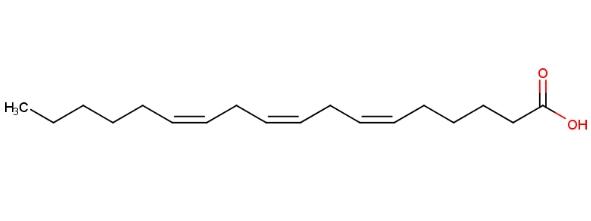
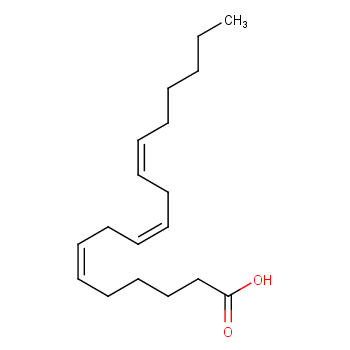
Gamma-linolenic acid (GLA) is an unsaturated Omega-6 fatty acid found in plants like borage seeds, evening primrose, hemp seeds, oats, barley, and spirulina. Unlike other fatty acids, the body metabolizes GLA through different processes, resulting in compounds that can combat inflammation and potentially improve other health areas. The metabolic pathway of GLA is as follows:
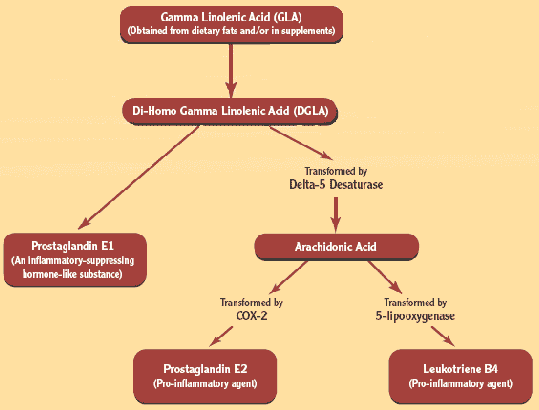
GLA is renowned for its anti-inflammatory properties and its ability to support hormonal balance. Once consumed, GLA converts into beneficial compounds called prostaglandins, which regulate various body functions, including inflammation, blood clotting, and hormone synthesis. GLA supplements are linked to potential benefits in managing premenstrual syndrome (PMS), polycystic ovary syndrome (PCOS), and inflammatory diseases. However, consulting healthcare professionals before incorporating GLA supplements into your routine is crucial.
Omega-6 fatty acids like GLA are widespread throughout the body and aid in the function of all cells. The body converts GLA into substances with anti-inflammatory and anticancer properties. People use GLA to treat eczema, asthma, arthritis, high blood pressure, diabetic neuropathy, and many other conditions, though there is insufficient scientific evidence to support gamma linolenic acid functions.
Some studies suggest GLA may help regulate hormones and alleviate PMS symptoms such as breast tenderness, bloating, and mood swings.
GLA may promote skin health by enhancing moisture retention and reducing inflammation. It may also benefit hair growth and strength.
The anti-inflammatory properties of GLA may help reduce pain and stiffness associated with rheumatoid arthritis and other inflammatory conditions.
Research indicates that GLA may support heart health by lowering bad cholesterol (LDL) and improving blood pressure. GLA shows significant efficacy in preventing thrombotic cardiovascular diseases by inhibiting platelet aggregation and thromboxane A2 synthesis, useful in clinical prevention and treatment of coronary heart disease, myocardial infarction, and obstructive arteritis. Thromboxane A2 (TXA2) is a potent platelet aggregator and vasoconstrictor, while prostacyclin (PGI2) is a strong vasodilator. Normally, the body maintains a balance between TXA2 and PGI2 to regulate platelet function. GLA, as a precursor of prostaglandins, helps improve cardiovascular health by inhibiting platelet aggregation and adjusting the TXA2-PGI2 ratio.
It is noteworthy that while these potential benefits exist, more research is needed to confirm GLA's effectiveness for each condition. Discuss potential risks and interactions with any medications you are taking with your doctor if you consider GLA supplements.
Hormonal fluctuations are a monthly occurrence for many women, manifesting in various ways. Research is uncovering natural solutions that may help alleviate symptoms associated with hormonal imbalances. Gamma-linolenic acid (GLA), an essential omega-6 fatty acid, is emerging as a powerful force in promoting hormonal balance and improving women's health.
PMS can cause mood swings, bloating, breast tenderness, fatigue, and many other discomforts. GLA offers a potential solution with its unique properties to effectively control these symptoms. Once ingested, GLA converts into a beneficial compound called prostaglandin E1 (PGE1), which plays a crucial role in regulating hormones and inflammation, both closely linked to PMS. By promoting PGE1 synthesis, GLA helps smooth hormonal fluctuations and reduce inflammation, directly targeting PMS symptoms like breast pain and bloating.
Studies have shown encouraging results, indicating GLA's effectiveness in reducing overall PMS severity. Incorporating GLA supplements into daily routines may significantly decrease mood swings, bloating, breast tenderness, and fatigue, highlighting GLA's potential as a natural intervention for PMS, offering women a chance to improve their quality of life during these monthly hormonal changes.
Polycystic ovary syndrome (PCOS) presents complex hormonal challenges, characterized by irregular menstrual cycles, elevated androgen levels, and ovarian cysts. These imbalances lead to fertility difficulties, weight management issues, acne, and excessive hair growth. In the battle against PCOS, GLA's anti-inflammatory properties and hormonal regulation roles make it a valuable ally. Studies indicate GLA supplements may regulate menstrual cycles by supporting normal reproductive hormone function. Additionally, GLA has shown potential in lowering androgen levels, helping restore hormonal balance in PCOS women. GLA may also positively impact insulin sensitivity, addressing a core issue of PCOS—insulin resistance.
Adding GLA supplements may improve menstrual regularity, reduce androgen levels, and enhance insulin sensitivity in PCOS patients, leading to positive changes in fertility, weight management, acne control, and hirsutism.
Endometriosis, a condition where uterine tissue grows outside the uterus, brings challenges like pelvic pain, infertility, and irregular periods. This disease often correlates with elevated inflammation levels in the body. GLA's powerful anti-inflammatory properties and ability to regulate prostaglandin synthesis play a potential role in managing endometriosis symptoms.
GLA's anti-inflammatory effects make it a promising candidate for alleviating pain and inflammation associated with endometriosis. By regulating prostaglandin production, GLA may help modulate the inflammatory response and reduce discomfort for women with this condition. Although further research is needed to fully understand GLA's mechanisms and optimal use in endometriosis management, some studies show promising results. GLA supplementation has demonstrated potential in reducing pain, alleviating inflammation, and improving the overall quality of life for women with endometriosis, suggesting GLA may complement traditional treatments for managing endometriosis symptoms.
It is essential to consult healthcare professionals before making any changes to treatment plans, as individual responses to GLA supplements may vary.
You can obtain GLA from several plant oils, including evening primrose oil (EPO), borage oil, and blackcurrant seed oil. Most of these oils also contain some linoleic acid. Research on whether EPO helps alleviate rheumatoid arthritis symptoms is mixed. Preliminary evidence suggests EPO can reduce pain, swelling, and morning stiffness, but other studies found no effect. It may take 1 to 3 months to see any benefits when using GLA to treat arthritis symptoms.
R B Zurier et al. evaluated the clinical efficacy and side effects of GLA in treating active rheumatoid arthritis (RA). The study involved 56 active RA patients randomly divided into two groups for a 6-month double-blind trial of GLA versus placebo, followed by a 6-month single-blind trial where all patients received GLA. Patients took 2.8 grams of GLA daily as free fatty acids or sunflower oil (placebo). Results showed that 6 months of GLA treatment significantly reduced disease activity signs and symptoms in RA patients, with clinical relevance. The overall meaningful response (at least 25% improvement in 4 measures) was better in the GLA group (14 of 22 patients) compared to the placebo group (4 of 19 patients; P = 0.015). In the second 6 months, both groups showed improved disease activity. Patients taking GLA throughout the study showed gradual improvement, with 16 of 21 patients at 12 months showing meaningful improvement compared to the study's start. The GLA dosage used in this study is a well-tolerated and effective treatment for active RA.
Gamma-linolenic acid, as an important fatty acid, has multiple functions for human health. Its support for the cardiovascular and immune systems is noteworthy. However, individual circumstances vary, so consulting a doctor or professional healthcare provider before increasing gamma-linolenic acid intake or using supplements is advisable for personalized advice and guidance to safely and effectively gain the benefits of gamma-linolenic acid.
[1] https://pubmed.ncbi.nlm.nih.gov/8912502/
[2] Mishra D, Singh S. Microbial Production of γ-Linolenic Acid: An Overview[J]. Journal of Pharmacy Research, 2010, 4(1).
[3] https://vitabiotics.in/blogs/news/gamma-linolenic-acid-unravelling-the-hidden-benefits
[4] https://www.mountsinai.org/health-library/supplement/gamma-linolenic-acid
[5] https://www.verywellhealth.com/the-benefits-of-gamma-linolenic-acid-89185
[6] Zhou Tongyong, Ren Fei, Deng Li, et al. Research progress on γ-linolenic acid and its physiological and biochemical functions [J]. Guizhou Agricultural Sciences, 2011, 39 (03): 53-58.
[7] https://www.webmd.com/vitamins/ai/ingredientmono-805/gamma-linolenic-acid-gla
 |
|
 |
 |
 |
|
 EN
EN
 Agricultural News
 Food News
 Industrial News
 Cosmetic News
 Pharmaceutical News
 Science News

 6YRS
6YRS

