-
We detected your language preference as English. Would you like to switch to the English version for a better experience?
Switch to English
Stay here




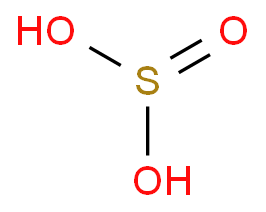
Sulfurous Acid, with the chemical formula H2SO3 and CAS number 7782-99-2, is a weak, inorganic acid formed when sulfur dioxide (SO2) dissolves in water. It is primarily used in the production of chemicals like sulfuric acid, and also serves as a reducing agent in various industrial applications.
Sulfuric Acid, with the chemical formula H2SO4 and CAS number 7664-93-9, is a strong mineral acid used widely in industrial processes. It is essential in the manufacturing of fertilizers, chemicals, and pharmaceuticals, and plays a significant role in petroleum refining and the production of lead-acid batteries.
What is the difference between sulfur and sulfate? While both sulfurous acid and sulfuric acid are sulfur-based compounds, they differ significantly in their chemical properties and applications. The key difference between sulfurous acid and sulfuric acid lies in their acidity, strength, and their respective uses in industrial processes.


What is the difference between sulfur and sulfate? Both compounds involve sulfur as a central element, but sulfuric acid undergoes a more complex synthesis process involving oxidation and the formation of a highly stable structure. In contrast, sulfurous acid is more straightforward to produce but is less stable due to its weaker molecular structure.
Sulfurous acid and sulfuric acid, while both derived from sulfur, serve different roles in both industrial and health-related applications. The applications of these compounds can significantly impact various sectors, from manufacturing to environmental management.

Sulfurous acid, with its reducing properties, is primarily used in the manufacturing of sulfur compounds, such as sulfuric acid. It serves as a reducing agent in chemical reactions, making it an essential part of many industrial processes. Sulfurous acid is also used in the production of bleach and disinfectants, as it helps neutralize harmful microorganisms.
Environmentally, sulfurous acid plays a role in air pollution control. When sulfur dioxide is released into the atmosphere, sulfurous acid is often formed in the presence of water vapor, contributing to acid rain. This phenomenon, while damaging to ecosystems, also highlights the compound’s interaction with natural systems.
Sulfuric acid is a crucial compound in a wide range of industrial applications, particularly in the production of fertilizers. It is a key ingredient in the synthesis of phosphoric acid, which is subsequently used to produce phosphate fertilizers. In addition to agriculture, sulfuric acid is vital in petroleum refining, where it is used to remove impurities from crude oil.
One of the most notable applications of sulfuric acid is in the manufacture of lead-acid batteries. It is used to produce the electrolyte in these batteries, which are widely used in automotive and energy storage systems.
Sulfuric acid is also involved in cleaning operations, particularly in removing scale and rust from metal surfaces. Its ability to break down tough residues makes it indispensable in many manufacturing and maintenance processes.
In summary, while sulfurous acid and sulfuric acid both originate from sulfur, their differences in chemical structure and acidity determine their distinct applications. Sulfurous acid serves as a reducing agent in industrial processes and plays a significant environmental role, while sulfuric acid is an essential compound in manufacturing, particularly in the production of fertilizers and lead-acid batteries. Understanding the differences between these acids helps in selecting the right compound for specific industrial or environmental purposes.
| Side Effect |
Sulfurous Acid |
Sulfuric Acid |
|---|---|---|
| Corrosiveness | Relatively low corrosiveness but can irritate the skin and eyes | Highly corrosive, can cause severe skin burns and eye damage |
| Respiratory Irritation | May cause respiratory irritation if inhaled in concentrated forms | Severe respiratory irritation, can cause permanent lung damage if inhaled |
| Environmental Impact | May contribute to acid rain in the environment | Highly harmful to aquatic life, can cause widespread environmental damage |
| Handling Safety | Should be handled with care, use appropriate protective gear | Requires strict safety protocols; must be handled with full protective equipment |
If you're looking to purchase these compounds, Guidechem is your go-to platform for sourcing high-quality raw materials and reliable suppliers. With our extensive global network, we connect you to a wide range of Sulfurous Acid?suppliers, ensuring you find the right products to meet your specific research or production requirements. Whether you're in pharmaceuticals, food additives, or other industries, Guidechem simplifies the sourcing process, offering verified supplier information, competitive pricing, and seamless communication.
[1]Sulfurous Acid: Its Uses and Applications by L. B. Smith.
[2]Introduction to Sulfuric Acid Manufacturing by G. T. Johnson.
[4]Environmental Impact of Sulfur Compounds in Environmental Science & Technology.
|
 |
 |
 EN
EN
 Agricultural News
 Food News
 Industrial News
 Cosmetic News
 Pharmaceutical News
 Science News