-
We detected your language preference as English. Would you like to switch to the English version for a better experience?
Switch to English
Stay here




Sodium Carbonate, with the chemical formula Na2CO3 and CAS number 497-19-8, is a strong alkali commonly known as "soda ash." Soda ash is what many industries rely on for manufacturing glass, detergents, and other essential products.
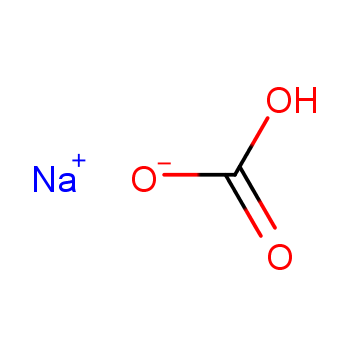
Sodium Bicarbonate, commonly referred to as baking soda, has the chemical formula NaHCO3 and CAS number 144-55-8. It is known for its versatility in cooking, cleaning, and as an antacid for neutralizing stomach acid.
Sodium Carbonate and Sodium Bicarbonate are closely related compounds, each with unique chemical properties and applications. The primary difference in usage between sodium carbonate vs bicarbonate lies in their roles, with the former often used for pH adjustment in pools and the latter as a leavening agent in baking.


While both compounds are interrelated in their production, their unique chemical properties allow for specific and diverse applications.

Sodium Carbonate, or soda ash, plays a critical role in industrial manufacturing. Its primary use is in the glass-making industry, where it lowers the melting point of silica. Additionally, it is a key ingredient in detergents, where it aids in removing stains and softening water. In water treatment, it helps adjust pH levels by neutralizing acidity. Its robust alkalinity also makes it an effective agent for cleaning tough stains and grease.
Sodium Bicarbonate, widely known as baking soda, is a must-have in many households due to its incredible versatility and affordability. One of its most popular uses is in baking, where it functions as a leavening agent. When combined with an acid, such as vinegar or lemon juice, sodium bicarbonate releases carbon dioxide gas. This reaction causes doughs and batters to rise, helping to create light, fluffy cakes, cookies, and other baked goods. Its ability to produce a chemical reaction with acids makes it indispensable in recipes, especially in vegan baking, where traditional leavening agents like eggs are not used.
Beyond the kitchen, sodium bicarbonate is equally valuable in everyday life for its cleaning and deodorizing properties. It serves as a gentle abrasive cleaner, making it ideal for scrubbing surfaces without scratching delicate materials. It's commonly used to clean kitchen countertops, sinks, stoves, and even stubborn grease stains on pots and pans. Sodium bicarbonate is also effective as a natural deodorizer. It neutralizes odors by reacting with acidic or alkaline molecules, which is why it’s often placed in refrigerators, trash cans, and shoe cabinets to eliminate unwanted smells. It can also be sprinkled on carpets or upholstered furniture to freshen up rooms, and its ability to absorb odors makes it especially useful for eliminating pet smells and lingering cooking odors.
When comparing sodium carbonate vs sodium bicarbonate, one of the primary distinctions lies in their pH levels and overall alkalinity. Sodium Carbonate, also known as soda ash or washing soda, has a much higher pH compared to sodium bicarbonate, making it a stronger alkaline compound. This increased alkalinity allows sodium carbonate to be used effectively in more demanding applications, such as heavy-duty industrial cleaning, where higher levels of alkalinity are needed to break down tough grease, oils, and other industrial residues. It is also a critical component in manufacturing processes like glass production, where its ability to dissolve silica and act as a flux makes it invaluable.
In contrast, sodium bicarbonate is a milder base with a lower pH, which makes it more suited for household applications and personal care. Its gentler nature allows it to be used in food-related tasks, where safety and non-toxicity are paramount. While both sodium carbonate and sodium bicarbonate are useful in cleaning, sodium bicarbonate is preferred for everyday tasks that involve more delicate cleaning, deodorizing, and personal care, where a more subtle action is required. For example, sodium bicarbonate’s mild abrasiveness makes it safe for use on sensitive surfaces like granite, ceramic, and porcelain, which can be damaged by stronger cleaners like sodium carbonate.
Sodium Carbonate is safe to handle when used as directed but can be irritating to the skin and eyes due to its alkalinity. Proper protective equipment is recommended for industrial use. Its production and disposal have a minimal environmental footprint, especially when sourced from natural soda ash deposits.
Sodium Bicarbonate is considered non-toxic and environmentally friendly. Its gentle nature makes it safe for household use without requiring special precautions. It is biodegradable and poses no harm to ecosystems, making it a sustainable choice for cleaning and neutralizing waste.
In summary, Sodium Carbonate and Sodium Bicarbonate are essential chemical compounds with unique properties and applications. Sodium Carbonate, or soda ash, excels in industrial settings, while Sodium Bicarbonate serves as a versatile and safe household staple. Both compounds highlight the significance of chemical versatility in meeting diverse industrial and domestic needs. Understanding the differences between sodium carbonate vs sodium bicarbonate ensures their optimal use in various contexts.
If you're looking to purchase these compounds, Guidechem is your go-to platform for sourcing high-quality raw materials and reliable suppliers. With our extensive global network, we connect you to a wide range of sodium carbonate suppliers and sodium bicarbonate suppliers, ensuring you find the right products to meet your specific research or production requirements. Whether you're in pharmaceuticals, food additives, or other industries, Guidechem simplifies the sourcing process, offering verified supplier information, competitive pricing, and seamless communication.
[1] Handbook of Chemistry and Physics, 102nd Edition.
[2] Encyclopedia of Industrial Chemistry.
[3] Smith, J., The Science of Everyday Materials.
[4] Johnson, L., Green Cleaning Chemistry.
 |
 |
 |
 |
 |
 |
 EN
EN
 Agricultural News
 Food News
 Industrial News
 Cosmetic News
 Pharmaceutical News
 Science News

 1YR
1YR

