-
We detected your language preference as English. Would you like to switch to the English version for a better experience?
Switch to English
Stay here




Calcium Chloride, with the chemical formula CaCl2 and CAS number 10043-52-4, is a highly soluble salt often used in various industrial, environmental, and health applications due to its versatility. It is especially useful in situations requiring rapid dissolution in water.
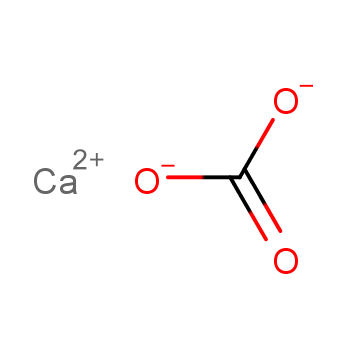
Calcium Carbonate, with the chemical formula CaCO3 and CAS number 471-34-1, is a naturally occurring compound most commonly found in rocks and minerals. It is often used in construction, pharmaceuticals, and food industries due to its abundant availability and low cost.
Calcium Chloride and Calcium Carbonate serve different roles across various applications. The key difference between them lies in their solubility—calcium chloride is highly soluble in water, whereas calcium carbonate is not, making their uses and benefits distinct in several fields.
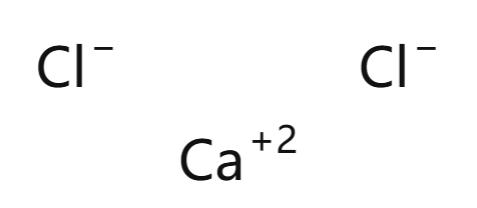

Both compounds have distinct synthesis methods that reflect their differing solubility and applications. Calcium chloride, being highly soluble in water, is synthesized for use in liquid form, whereas calcium carbonate, being insoluble in water, is more commonly used in solid forms.
Calcium plays an essential role in various biological, industrial, and environmental processes. Both Calcium Chloride and Calcium Carbonate are used in a variety of applications across different industries, from agriculture to health, but each compound serves a distinct purpose.

Calcium chloride is a versatile compound with a broad range of applications across various industries due to its rapid dissolution properties and moisture control capabilities. In the construction industry, it is commonly used as a drying agent for concrete, accelerating the curing process and enhancing the strength of the material. Its high solubility also makes it a preferred choice for de-icing roads during winter, as it can melt ice at lower temperatures and works more efficiently than traditional salts like sodium chloride. Additionally, in the oil and gas sector, calcium chloride plays a crucial role in controlling the density of drilling fluids, ensuring optimal performance in drilling operations.
Beyond its industrial applications, calcium chloride has several important roles in food processing and medical treatments. As a food additive, it is often used in the preservation of canned vegetables and fruits, helping maintain their texture and firmness. In the medical field, calcium chloride is administered intravenously to treat calcium deficiencies, support heart function, and manage various medical conditions. Its versatility makes it an essential compound in both commercial and healthcare settings.
Calcium Carbonate, on the other hand, is most commonly used as a filler material in the pharmaceutical and food industries. It serves as an antacid to neutralize stomach acid and is a major ingredient in dietary supplements for calcium. In construction, calcium carbonate is used as a building material and as a component of cement, where it contributes to the strength and durability of the structures.
In environmental applications, calcium carbonate is employed in water treatment processes, where it helps to neutralize acidic waters, thus improving water quality. Additionally, it is used in the agriculture industry to adjust soil pH levels, enhancing soil structure, promoting plant growth, and improving overall fertility. The compound’s low solubility in water makes it effective for use in solid forms, ensuring a gradual release of calcium, which provides sustained benefits without rapid depletion. Furthermore, its environmental impact is minimal, making it a preferred option for sustainable practices in various industries.
In conclusion, Calcium Chloride and Calcium Carbonate are both vital compounds with distinct uses. Calcium Chloride is highly soluble and suited for applications that require rapid dissolution, such as de-icing and industrial processes. In contrast, Calcium Carbonate is insoluble in water, making it ideal for use in solid form for pharmaceutical, environmental, and construction applications. Understanding the differences between these two compounds allows for better decision-making when choosing the appropriate calcium source for specific needs.
| Disadvantage |
Calcium Chloride |
Calcium Carbonate |
|---|---|---|
| Corrosiveness | Can be corrosive to concrete and metal if not handled properly | Non-corrosive, but can cause gastrointestinal discomfort in high doses |
| Solubility | Highly soluble in water, which can lead to excessive moisture in some applications | Low solubility in water, which may limit some of its industrial uses |
| Environmental Impact | Can contribute to environmental damage if not managed properly during de-icing | Generally environmentally safe, but may contribute to soil alkalinity if overused |
If you're looking to purchase these compounds, Guidechem is your go-to platform for sourcing high-quality raw materials and reliable suppliers. With our extensive global network, we connect you to a wide range of Calcium Chloride suppliers and Calcium Carbonate suppliers, ensuring you find the right products to meet your specific research or production requirements. Whether you're in pharmaceuticals, food additives, or other industries, Guidechem simplifies the sourcing process, offering verified supplier information, competitive pricing, and seamless communication.
[1]The Chemistry of Calcium Compounds by S. A. Johnson.
[2]Calcium in Biological Systems by D. M. Roberts.
[3]Industrial Applications of Calcium Chloride in Journal of Industrial Chemistry.
[4]Calcium Carbonate in the Construction Industry in Construction Materials Journal.
 |
 |
 |
 |
 |
 |
 EN
EN
 Agricultural News
 Food News
 Industrial News
 Cosmetic News
 Pharmaceutical News
 Science News

 1YR
1YR

