-
We detected your language preference as English. Would you like to switch to the English version for a better experience?
Switch to English
Stay here




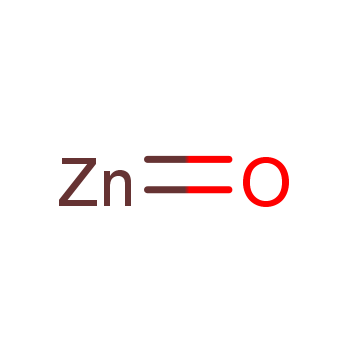
Zinc Oxide, with the chemical formula ZnO and CAS number 1314-13-2, is a widely used compound in various industries. It is often found in sunscreens, ointments, and as a supplement, contributing to skin health and wound healing.
Zinc Gluconate, with the chemical formula C12H22O14Zn and CAS number 4468-02-4, is another form of zinc commonly used in supplements and for treating common cold symptoms. It is known for its high bioavailability and mild gastrointestinal effects.
Zinc Oxide and Zinc Gluconate are two distinct compounds with their unique properties and applications. While both contain the essential mineral zinc, their bioavailability, uses, and effectiveness differ. Zinc Oxide is primarily used in topical applications, while Zinc Gluconate is more suited for internal supplementation. The key differences lie in how they are absorbed and utilized by the body.


Both compounds involve the combination of zinc with different substances—oxygen for zinc oxide and gluconic acid for zinc gluconate. The synthesis methods reflect their intended uses: zinc oxide for topical and industrial applications and zinc gluconate for internal supplementation.
Zinc plays a vital role in numerous physiological functions, including immune function, wound healing, and skin health. The two forms of zinc—Zinc Oxide and Zinc Gluconate—offer different benefits and applications depending on how the body uses them.

Zinc Oxide is most commonly utilized in topical applications, where its primary benefit lies in its ability to protect and heal the skin. It is a staple ingredient in sunscreens, where it offers broad-spectrum protection against both UVA and UVB radiation. By forming a physical barrier on the skin's surface, Zinc Oxide reflects harmful sunlight, reducing the risk of sunburn and long-term skin damage. This protective characteristic makes Zinc Oxide particularly beneficial for individuals with sensitive skin or those who need additional protection from environmental stressors.
Beyond its use in sun care, Zinc Oxide is a vital component in ointments and creams designed for treating minor skin irritations, including rashes, burns, and diaper dermatitis. Its antimicrobial and anti-inflammatory properties help prevent infections in open wounds while promoting faster healing. Zinc Oxide is also frequently found in calamine lotion, which is widely used to alleviate itching and irritation caused by conditions such as poison ivy, insect bites, and eczema. Additionally, Zinc Oxide contributes to skin regeneration, reducing redness and promoting tissue repair. Its inclusion in dermatological treatments underscores its importance in maintaining healthy skin and facilitating the healing of superficial injuries.
Unlike Zinc Oxide, Zinc Gluconate is primarily used as a dietary supplement due to its higher bioavailability, meaning the body absorbs it more efficiently. This form of zinc is most commonly found in lozenges, nasal sprays, and other supplements aimed at cold relief. Research has shown that Zinc Gluconate can be effective in reducing the severity and duration of cold symptoms when taken at the first sign of illness. It works by supporting immune function, helping the body respond more effectively to viral infections such as the common cold.
In addition to its role in cold relief, Zinc Gluconate supports overall immune health and is essential for maintaining healthy tissues. It plays a critical role in DNA synthesis and cell division, processes that are vital for tissue regeneration and immune defense. Zinc Gluconate is often recommended for individuals suffering from zinc deficiencies, as it is easily absorbed and well-tolerated by most people. Its immune-boosting properties make it a popular choice for promoting general health and aiding the body in fighting off infections. Moreover, Zinc Gluconate may also aid in wound healing, acting as a catalyst for tissue repair and immune responses at the site of injury.
In summary, Zinc Oxide is ideal for topical applications, especially in skin care and wound healing, due to its protective and antimicrobial properties. Zinc Gluconate, on the other hand, is better suited for internal supplementation, particularly for immune support and cold relief, due to its higher bioavailability. While both compounds offer important health benefits, they are used in different contexts based on their absorption and intended effects.
| Side Effect |
Zinc Oxide |
Zinc Gluconate |
|---|---|---|
| Digestive Issues | Unlikely, since it is used topically | Possible, may cause nausea or upset stomach in some individuals |
| Skin Irritation | Rare, unless used in excessive amounts | Not applicable |
| Absorption Issues | None, as it is not taken internally | Rare, may be less effective if not absorbed properly |
| Allergic Reactions | Possible, could include rash or irritation on the skin | Rare, could include rash or difficulty breathing |
When choosing the right form of zinc for your health, it's important to consider your specific needs and any digestive sensitivities you may have. Zinc Oxide is widely used in topical applications due to its ability to protect the skin, especially in sunscreens and diaper creams. However, when taken orally, it may cause digestive discomfort for some individuals, such as nausea or stomach upset. Zinc Gluconate, on the other hand, is often preferred for oral supplementation as it is generally better tolerated by the digestive system and offers good bioavailability.
If you're looking to support your immune function or treat a zinc deficiency, Zinc Gluconate might be the better choice for long-term use due to its higher absorption rate and fewer side effects. It is also easier on the stomach, which can be especially important for those with sensitive digestive systems. Zinc Oxide, while still effective, may not be as well-suited for extended oral supplementation due to its potential digestive impact.
Ultimately, if you're seeking better tolerance and long-term supplementation, Zinc Gluconate is likely the superior choice. However, if your focus is more on topical applications or short-term supplementation, Zinc Oxide can still provide significant health benefits, particularly for skin protection and immune support.
*For optimal results and to ensure that you are taking the appropriate form and dosage, it is highly recommended to follow the guidance of your healthcare provider. They can help you determine the most suitable form of zinc based on your specific health requirements and any underlying medical conditions.
If you're looking to purchase these compounds, Guidechem is your go-to platform for sourcing high-quality raw materials and reliable suppliers. With our extensive global network, we connect you to a wide range of zinc oxide suppliers and zinc gluconate suppliers, ensuring you find the right products to meet your specific research or production requirements. Whether you're in pharmaceuticals, food additives, or other industries, Guidechem simplifies the sourcing process, offering verified supplier information, competitive pricing, and seamless communication.
[1]The Role of Zinc in Immune Function by P. R. Beckett.
[2]Zinc Supplementation and Wound Healing in Journal of Dermatological Science.
[3]Topical Zinc Oxide: Therapeutic Uses by M. L. Scott.
[4]Bioavailability of Zinc Gluconate in International Journal of Nutritional Science.
[5]Zinc and Cold Treatment by L. L. Thompson.
 |
 |
 |
 |
 |
 |
 EN
EN
 Agricultural News
 Food News
 Industrial News
 Cosmetic News
 Pharmaceutical News
 Science News

 1YR
1YR

