-
We detected your language preference as English. Would you like to switch to the English version for a better experience?
Switch to English
Stay here




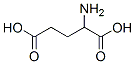
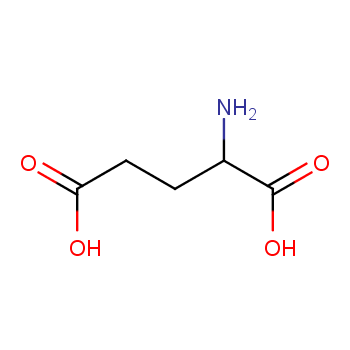
Glutamate, with the chemical formula C5H9NO4 and CAS number 617-65-2, is a naturally occurring amino acid that plays a crucial role in cellular metabolism and acts as a neurotransmitter in the human brain. It is commonly found in various foods and is a component of monosodium glutamate (MSG), widely used as a flavor enhancer.
Gluten, on the other hand, is a group of proteins found in wheat, barley, and rye. It is responsible for the elastic texture of dough and is a common component in baked goods. Gluten intolerance, including Celiac disease, involves a reaction to gluten consumption, leading to digestive and autoimmune issues.
Glutamate and Gluten are often confused due to their similar-sounding names, but they differ significantly in structure, function, and implications for health. Understanding these differences is essential, particularly for individuals managing dietary restrictions or health conditions like Celiac disease.

The key distinction lies in their composition—glutamate is a single amino acid, while gluten is a complex protein mixture. This fundamental difference drives their unique applications and effects on health.
Understanding the applications of glutamate and gluten is crucial, particularly in food science, nutrition, and medical contexts. Each compound serves distinct roles, shaped by its properties and biological functions.

Glutamate is widely recognized for its dual significance in both the culinary and scientific fields. In the food industry, it plays a key role as a flavor enhancer, most commonly in the form of monosodium glutamate (MSG). MSG enhances umami, the rich savory taste naturally present in foods like tomatoes, cheese, and mushrooms, making it a popular additive in processed foods, soups, snacks, and seasonings to improve overall flavor and palatability. Despite its benefits, MSG has occasionally been associated with controversial health concerns, though scientific evidence generally supports its safety in moderate amounts.
In the human body, glutamate serves as a crucial excitatory neurotransmitter, enabling communication between nerve cells. It is indispensable for essential cognitive functions, particularly learning and memory formation. Beyond its natural physiological role, research into glutamate and its receptors has opened doors to potential medical advancements. These include exploring therapies for neurological conditions such as Alzheimer's disease, epilepsy, and other disorders linked to dysregulated glutamate activity. The balance of glutamate levels is vital, as excessive activity can contribute to neurotoxicity and other health issues.
Gluten is indispensable in baking due to its unique viscoelastic properties, enabling dough to stretch, hold its shape, and trap gas, which results in light and airy baked goods. Beyond baking, gluten plays a critical role in the food industry, being a key component in pastas, cereals, and various processed foods, where it enhances texture and structure.
However, gluten can pose significant challenges for individuals with gluten-related disorders, such as Celiac disease, a condition where gluten triggers an autoimmune response, or non-Celiac gluten sensitivity, which causes discomfort without autoimmune involvement. For these individuals, strict avoidance of gluten-containing foods is essential to alleviate symptoms and prevent potential complications. The growing popularity of gluten-free diets has spurred innovation in food science, leading to the development of alternative products made from almond, coconut, or rice flours, ensuring a wider range of options for those who need or choose to avoid gluten.
While glutamate and gluten are distinct compounds with no direct connection, their diverse applications highlight their significance in multiple sectors. Glutamate's contributions span neurological health, food science, and agriculture, whereas gluten's primary role is in food production and specialty applications. Understanding their unique properties and functions enables targeted use in their respective industries.
| Drawback |
Glutamate |
Gluten |
|---|---|---|
| Health Concerns | Potential link to headaches or sensitivity in some individuals | Causes issues for individuals with Celiac disease or gluten sensitivity |
| Dietary Restrictions | Not associated with dietary restrictions like gluten | Must be avoided by those on a gluten-free diet |
If you're looking to purchase these compounds, Guidechem is your go-to platform for sourcing high-quality raw materials and reliable suppliers. With our extensive global network, we connect you to a wide range of Glutamate suppliers, ensuring you find the right products to meet your specific research or production requirements. Whether you're in pharmaceuticals, food additives, or other industries, Guidechem simplifies the sourcing process, offering verified supplier information, competitive pricing, and seamless communication.
|
 EN
EN
 Agricultural News
 Food News
 Industrial News
 Cosmetic News
 Pharmaceutical News
 Science News


 1YR
1YR