-
We detected your language preference as English. Would you like to switch to the English version for a better experience?
Switch to English
Stay here




Chelated Magnesium, with the chemical formula dependent on the specific chelating agent, represents a form of magnesium supplement where the magnesium ion is bonded to an organic compound such as amino acids. This chelation improves its absorption and bioavailability, making it a preferred choice for many.
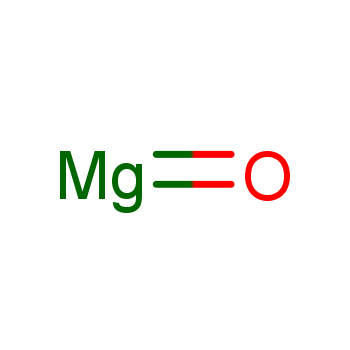
Magnesium Oxide, with the chemical formula MgO and CAS number 1309-48-4, is a commonly used magnesium supplement made by combining magnesium with oxygen. It is widely recognized for its high magnesium content by weight, although it has lower absorption compared to chelated forms.
Chelated Magnesium and Magnesium Oxide are two distinct forms of magnesium supplements, each offering unique properties and health benefits. While Chelated Magnesium is known for its higher bioavailability and gentler impact on digestion, Magnesium Oxide is often used for its affordability and effectiveness in addressing specific conditions like constipation.

Both forms involve distinct synthesis techniques, with Chelated Magnesium focusing on bioavailability through organic complexation, while Magnesium Oxide prioritizes simplicity and high elemental magnesium content through thermal processing.
Magnesium supplements are widely used to address magnesium deficiencies, with chelated magnesium and magnesium oxide being two popular forms. Each offers unique advantages depending on the intended application, from supporting general health to addressing specific medical conditions. In this comparison of magnesium oxide vs chelated magnesium, we will explore their uses across various contexts.

Chelated magnesium, which involves binding magnesium to amino acids like glycine or citrate, is recognized for its exceptional bioavailability—the ability to be effectively absorbed by the body. This quality makes it a preferred option for individuals who require consistent and efficient magnesium replenishment, especially in cases of chronic magnesium deficiency, muscle cramps, or migraine prevention. Unlike magnesium oxide, which can cause gastrointestinal irritation, chelated forms are gentle on the stomach, reducing the likelihood of discomfort such as bloating or diarrhea. For this reason, chelated magnesium is often prescribed for long-term use in individuals with sensitive digestive systems or those requiring higher doses to meet their health needs.
Another key advantage of chelated magnesium lies in its ability to target systemic conditions like stress management and sleep improvement, as magnesium plays a vital role in regulating the nervous system and muscle relaxation. In the debate of magnesium chelate vs magnesium oxide, chelated forms excel in addressing absorption-related issues, providing a more consistent and reliable option for individuals seeking to integrate magnesium into their daily health routine. However, its typically higher cost compared to magnesium oxide may be a consideration for those on a budget.
Magnesium oxide stands out as a highly cost-effective supplement, offering one of the highest concentrations of elemental magnesium available. This makes it particularly effective for addressing short-term needs, such as relieving constipation or managing acid reflux. Thanks to its strong laxative properties, magnesium oxide is often recommended as a temporary solution for digestive discomfort. While its bioavailability is notably lower compared to chelated magnesium, its potency in delivering immediate relief ensures its place as a go-to option for individuals seeking a rapid response to acute conditions.
Beyond its use in gastrointestinal health, magnesium oxide is sometimes employed as a budget-friendly supplement for addressing mild magnesium deficiencies, although its reduced absorption may require higher doses to achieve the desired effects. In the comparison of magnesium oxide vs chelated magnesium, magnesium oxide is better suited for occasional supplementation, rather than ongoing use, due to its potential to irritate the stomach and its less efficient absorption. Nonetheless, for those seeking an affordable and effective option for quick relief, magnesium oxide remains a practical choice in specific scenarios.
| Side Effect |
Magnesium Malate |
Magnesium Oxide |
| Digestive Issues | Generally well-tolerated, may cause mild digestive upset in some individuals | Can cause diarrhea, especially when taken in high doses |
| Low Blood Pressure | Possible, may cause dizziness or lightheadedness | Possible, may cause dizziness or lightheadedness |
| Dehydration | Unlikely to cause dehydration | Can cause dehydration due to its laxative effect |
| Kidney Strain | Rare, but should be used cautiously in individuals with kidney conditions | Risk of kidney strain, especially with prolonged use or in those with kidney issues |
| Allergic Reactions | Rare, could include rash, itching, or swelling | Rare, could include rash, itching, or difficulty breathing |
When choosing the right form of magnesium for your health, it’s crucial to consider your specific needs, absorption efficiency, and any digestive sensitivities. Chelated Magnesium, such as Magnesium Glycinate, is known for its superior bioavailability and gentle effect on the stomach. This makes it particularly effective for individuals seeking to address magnesium deficiencies, reduce muscle cramps, or promote relaxation without causing gastrointestinal discomfort. Its chelation with amino acids ensures better absorption and minimizes laxative effects, making it suitable for long-term supplementation.
In contrast, Magnesium Oxide is a cost-effective option and contains a higher percentage of elemental magnesium. However, its lower absorption rate means that it is less effective for correcting deficiencies. Magnesium Oxide is best suited for short-term applications like treating constipation due to its potent laxative effect. Individuals with sensitive stomachs or those requiring steady magnesium intake might find it less tolerable.
Ultimately, if you are seeking long-term supplementation with minimal side effects, Chelated Magnesium is the superior choice. However, if your goal is to address acute issues like constipation or cost is a primary concern, Magnesium Oxide offers an affordable and effective alternative.
*For optimal results and to ensure that you are taking the appropriate form and dosage, it is highly recommended to follow the guidance of your healthcare provider. They can help you determine the most suitable form of magnesium based on your specific health requirements and any underlying medical conditions.
If you're looking to purchase these compounds, Guidechem is your go-to platform for sourcing high-quality raw materials and reliable suppliers. With our extensive global network, we connect you to a wide range of Magnesium Oxide suppliers, ensuring you find the right products to meet your specific research or production requirements. Whether you're in pharmaceuticals, food additives, or other industries, Guidechem simplifies the sourcing process, offering verified supplier information, competitive pricing, and seamless communication.
[1] Magnesium in Clinical Medicine by J. D. Smith.
[2] Bioavailability of Chelated Minerals by R. T. Jackson.
[3] Magnesium Oxide: Uses and Efficacy in Journal of Nutritional Health.
[4] Magnesium and Digestive Health by P. L. Adams.
|
 |
 |
 |
 |
 |
 EN
EN
 Agricultural News
 Food News
 Industrial News
 Cosmetic News
 Pharmaceutical News
 Science News

 2YRS
2YRS

