-
We detected your language preference as English. Would you like to switch to the English version for a better experience?
Switch to English
Stay here



Pool Shock refers to the process of adding a high concentration disinfectant to a swimming pool to kill bacteria, fungi, and algae. This disinfectant is typically chlorine or bleach powder, which effectively cleans and disinfects the pool water. Pool shock treatment is an important step in water treatment, mainly used to remove chlorine ions and other impurities from the water, maintain water quality stability, and ensure the health and safety of swimmers. Calcium hypochlorite shock is required during shock treatment. Calcium hypochlorite is a disinfectant that disinfects various surfaces effectively. Using calcium hypochlorite during shock treatment can quickly and effectively remove chlorine ions and other impurities from the water, ensuring water quality stability and health. The importance of pool shock treatment is to ensure the health and safety of swimmers in the water and provide them with a comfortable swimming experience. This article covers calcium hypochlorite shock treatment, addresses common issues, and provides practical tips for pool owners, aiming to provide valuable information to readers.

Calcium hypochlorite shock, commonly known as "pool shock," is a potent compound used for disinfecting swimming pools and maintaining water clarity. This treatment involves adding a concentrated dose of calcium hypochlorite to the pool water to rapidly elevate the chlorine levels, eliminating harmful bacteria, algae, and other contaminants. Essentially, it is a shock to the pool system, which swiftly restores chlorine levels to ensure safe and hygienic swimming conditions. This process is particularly effective in addressing issues such as cloudy water, odor, and algae proliferation, providing a rapid and efficient solution to pool maintenance challenges.
It is crucial to distinguish calcium hypochlorite shock from other shock treatments available in the market. While there are various pool shock treatment methods, including those based on sodium hypochlorite or potassium persulfate, calcium hypochlorite stands out for its potency and effectiveness. Unlike other shock treatments, calcium hypochlorite shock does not require pre-dissolution and can dissolve rapidly in water, making it convenient to use. Additionally, compared to liquid chlorine, calcium hypochlorite shock often has a longer shelf life, making it the preferred choice for pool owners seeking a reliable and enduring sanitation solution.
As the primary source of pool sanitation chlorine, calcium hypochlorite effectively kills bacteria, viruses, and algae thriving in pool water. By conducting regular shock treatments to maintain adequate chlorine levels, pool owners can enjoy clear water free from harmful contaminants. Furthermore, the use of calcium hypochlorite helps prevent the spread of waterborne illnesses and creates a healthy swimming environment for users of all ages.
Pool shock is a crucial aspect of pool maintenance, playing a vital role in ensuring the cleanliness, safety, and attractiveness of pool water for swimmers. Without regular shock treatments, pool water can become a breeding ground for bacteria, algae, and other pollutants, leading to cloudy water, odors, and potential health hazards for swimmers. By managing pool shock, pool owners can effectively elevate chlorine levels in the water to eliminate harmful microorganisms and organic debris that may accumulate over time. This process aids in disinfecting the pool and maintaining optimal water quality, preventing the spread of waterborne diseases, and ensuring everyone can enjoy a pleasant swimming experience. There are various pool shock treatment methods available, including chlorine-based shocks like calcium hypochlorite and non-chlorine shocks like potassium peroxymonosulfate. Each type of shock treatment offers unique benefits and characteristics, catering to different pool maintenance needs and preferences. Whether it's swiftly addressing algae proliferation issues or maintaining chlorine levels during periods of heavy pool usage, understanding the basics of pool shock treatment is essential for effective pool care and enjoyment.
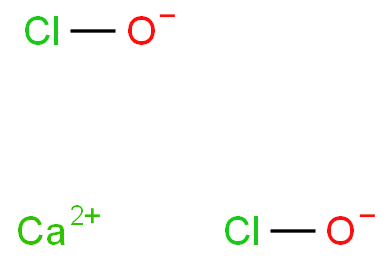
Calcium hypochlorite is often associated with shock treatment in pool maintenance, but it's important to clarify that calcium hypochlorite itself is distinct from shock treatment. Calcium hypochlorite is a compound commonly used as an effective ingredient in pool shock treatments. When added to pool water, it rapidly increases the chlorine content, effectively sanitizing the pool by eliminating bacteria, algae, and other contaminants. In this way, calcium hypochlorite serves as the primary agent in shock treatment, providing a powerful and efficient solution for addressing water quality issues and maintaining a clean, safe swimming environment. Thus, while calcium hypochlorite is not synonymous with shock treatment, it plays a crucial role in the shock treatment process, ensuring optimal pool hygiene and water clarity.
Its efficient bacteria and algae-killing capabilities ensure the hygiene of pool water, preventing bacteria and algae proliferation from posing health risks.
Its fast dissolution performance allows it to be quickly absorbed and effectively kill bacteria and algae in the water, ensuring the swimmers' physical health.
The price of calcium hypochlorite pool shock is more affordable compared to other shock treatments, making it an economically effective choice for pool maintenance. Thus, calcium hypochlorite pool shock is an indispensable choice for ensuring pool hygiene and maintaining water quality.
The amount of calcium hypochlorite needed to shock a pool depends on several factors. (1) The size of the pool, as larger pools require more calcium hypochlorite to reach the desired chlorine level. (2) The current condition of the pool water, such as the presence of algae or bacteria, which can affect the amount of calcium hypochlorite needed for effective shock treatment. (3) Environmental factors such as temperature and sunlight exposure affect the rate at which chlorine dissipates from the pool water, thereby influencing dosage requirements.
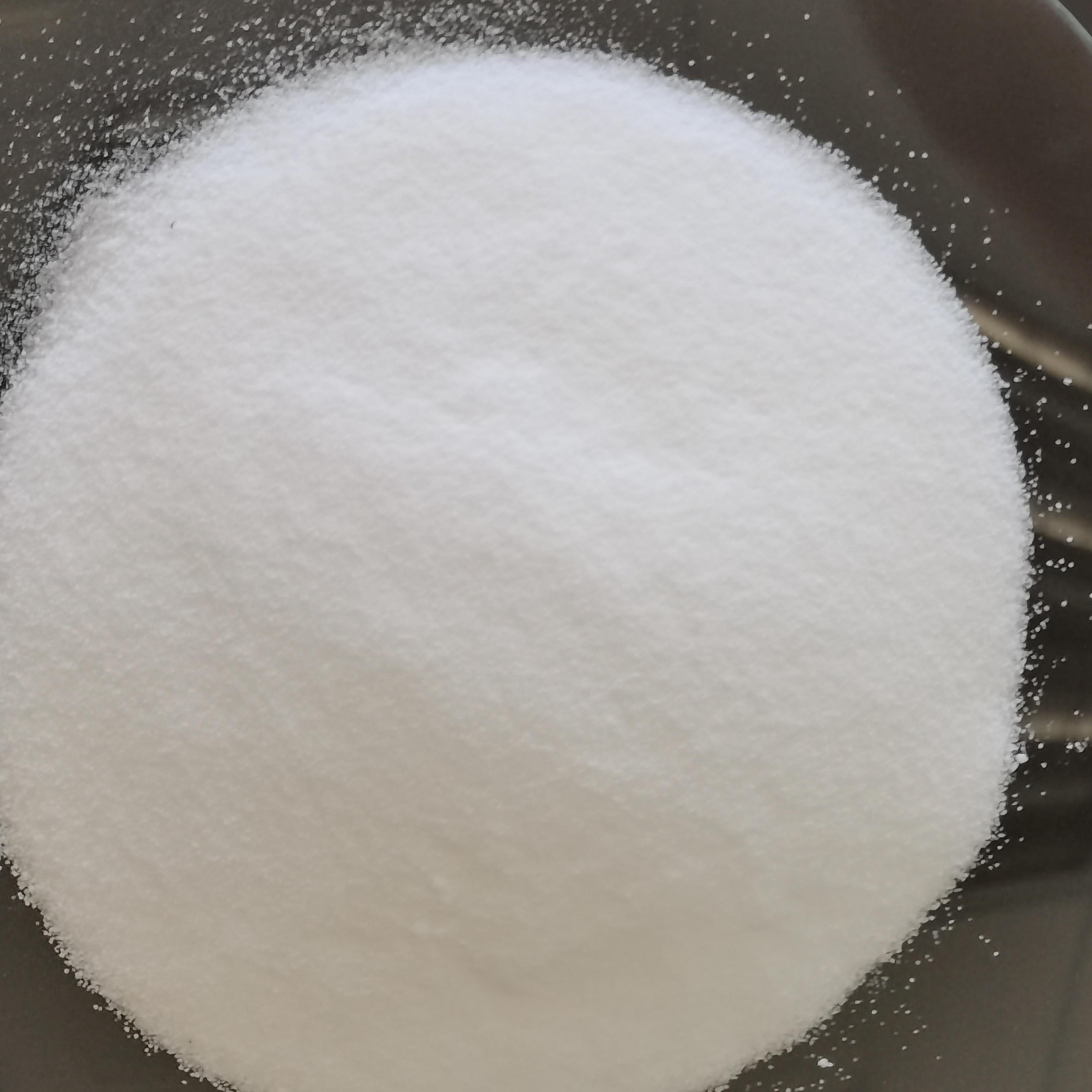
To calculate the appropriate dosage of calcium hypochlorite for shock treatment, pool owners can determine the precise amount needed by accurately measuring the pool volume and referring to dosage guidelines provided by manufacturers or pool professionals. It is essential to follow dosage instructions carefully and evenly distribute the shock treatment throughout the entire pool to maintain uniform sanitation. Additionally, ensuring proper mixing and dissolution of calcium hypochlorite granules before adding them to the pool water maximizes effectiveness and prevents uneven distribution of chlorine.
The pH of pool water is indeed affected by calcium hypochlorite shock treatment. Typically, due to its alkalinity, calcium hypochlorite shock tends to raise the pH of pool water. When calcium hypochlorite dissolves in water, it releases hypochlorous acid, which increases the alkalinity of the swimming pool. Therefore, this may result in an increase in the water's pH, potentially causing imbalance and affecting water clarity and chlorine effectiveness. Regular monitoring of the pool water's pH is crucial to ensure it remains within the optimal range for swimming and prevent potential issues associated with pH fluctuations.
To maintain pH balance after calcium hypochlorite shock treatment, pool owners can employ various strategies to adjust the water's acidity or alkalinity. An effective method is to use pH-adjusting chemicals to bring the pH back to the desired range. Additionally, adding buffering agents or stabilizers to the pool water helps prevent drastic pH fluctuations and maintains stability over time. Regular testing and adjustment of pH, along with proper water circulation and filtration, are critical components of pool maintenance to ensure user comfort and safety in the swimming environment.
When using calcium hypochlorite shock for pool maintenance, adhering to best practices is essential to ensure safe handling and effectiveness. During handling and storage of calcium hypochlorite, appropriate safety precautions should be followed to minimize the risk of accidents or chemical exposure. Pool owners should wear gloves, goggles, and other protective gear when handling calcium hypochlorite and store it in a cool, dry place away from direct sunlight and incompatible materials. Additionally, maintaining the tight sealing and secure locking of calcium hypochlorite containers is crucial to prevent leaks.
For optimal results, the step-by-step guide to calcium hypochlorite pool shock should be carefully followed. (1) Calculate the appropriate dosage of calcium hypochlorite based on the pool's size and current water conditions. (2) Pre-dissolve the calculated amount of calcium hypochlorite granules in a bucket of water to ensure even distribution and minimize the risk of surface bleaching or damage. Once dissolved, slowly pour the solution around the pool while the filtration system is running to promote thorough mixing and distribution. (3) Allow sufficient time for the calcium hypochlorite shock to circulate and dissipate before allowing swimmers back into the pool.
Pool shock treatment, as a specialized approach, is highly effective in addressing issues such as white or green water discoloration, bacterial overgrowth, etc., helping pools regain cleanliness. However, it is not a routine method for water quality maintenance and requires professional handling. During and after treatment, some issues may arise that require timely resolution.
(1) Cloudy water problem: Cloudy water occurs during shock treatment due to increased suspended particle concentration in the water due to chemical reactions. To address cloudy water, specialized water treatment equipment such as automatic quartz sand filter tanks and automatic pressure backwashing equipment can be used post-shock treatment to reduce suspended particles.
(2) Chlorine odor issue: During shock treatment, the chlorine content in the water increases, leading to chlorine odor, commonly known as chlorine smell. Professional disinfectants can be used to improve the pool environment quality and reduce the production of chlorine odor.
(3) Attention to pool equipment repair and maintenance: Shock treatment may cause some damage to pool equipment, and prompt repair and maintenance are necessary. If you encounter problems with your pool equipment, it is recommended to contact professional pool equipment repair and maintenance companies promptly to ensure the normal operation of pool equipment.
Calcium hypochlorite shock treatment offers many advantages, including its potent disinfection properties, effectively eliminating bacteria, algae, and other contaminants in pool water. By rapidly elevating chlorine levels, calcium hypochlorite shock helps restore water clarity and freshness, ensuring swimmers' enjoyment and hygienic swimming experience. Furthermore, regular use of calcium hypochlorite shock as part of a comprehensive pool maintenance regimen helps prevent the accumulation of harmful microorganisms and maintains optimal water quality. We encourage pool owners to maintain their pools regularly, including using calcium hypochlorite shock, to safeguard swimmers' health and enjoyment. For those seeking enhanced pool maintenance solutions, further consultation or purchasing of calcium hypochlorite shock products is recommended to obtain effective solutions for maintaining clean and pristine pool water.
[1]https://www.troublefreepool.com/google-search/?q=Pool+Shock
[2]https://www.swimuniversity.com/how-to-shock-pool/
[3]https://www.intheswim.com/eGuides/how-to-shock-your-pool
[4]https://www.troublefreepool.com/wiki/index.php?title=Calcium_Hypochlorite
 |
 |
 |
 |
 |
|
 EN
EN
 Agricultural News
 Food News
 Industrial News
 Cosmetic News
 Pharmaceutical News
 Science News

 15YRS
15YRS

