-
We detected your language preference as English. Would you like to switch to the English version for a better experience?
Switch to English
Stay here



Methyl cellulose is a widely used additive in the food industry with various functions and applications. As a water-soluble derivative of cellulose, methyl cellulose is commonly used in food to increase viscosity, stability, and texture, while also providing certain nutritional benefits. This article will explore what methyl cellulose in food is, its properties, uses, and its impact on human health. By gaining a deeper understanding of the mechanisms and applications of methyl cellulose in food, we can better recognize the importance and safety of this food additive, providing consumers with more reference and understanding when choosing healthy food.
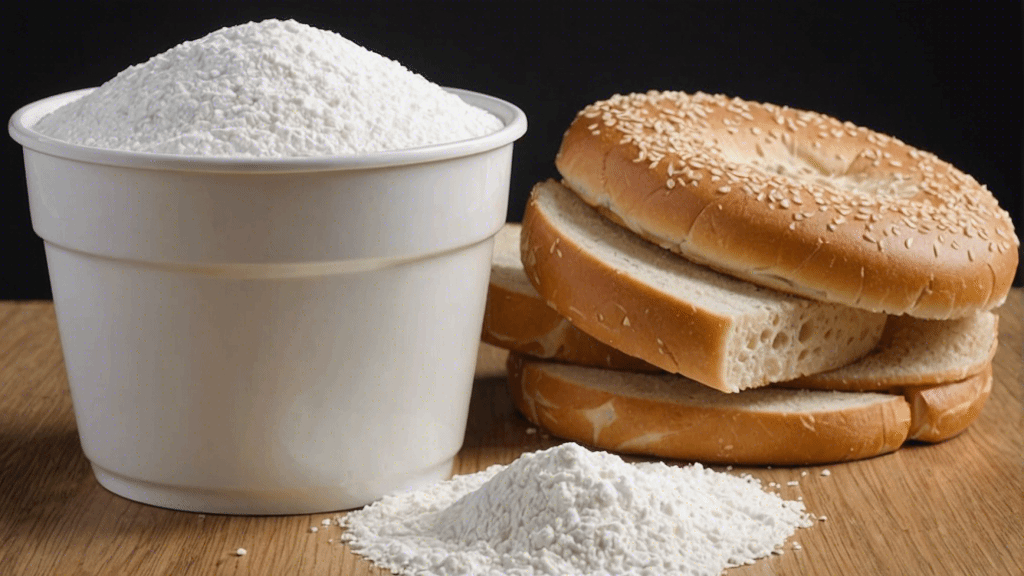
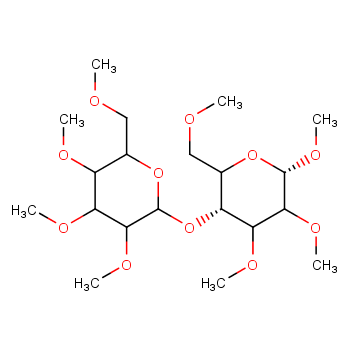
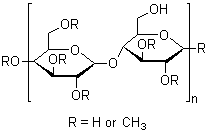
Methyl cellulose (or methylcellulose) is a compound extracted from cellulose. It is sold under various trade names and used as a thickener and emulsifier in various foods and cosmetics, as well as in bulk as a laxative. Like cellulose, it is indigestible, non-toxic, and non-allergenic. Apart from its culinary uses, it is also used in arts and crafts, such as in paper pulp, and is a primary ingredient in wallpaper paste.
Methyl cellulose is a common additive in various processed foods. It derives from cellulose, a natural fiber that makes up plant cell walls. While methyl cellulose itself is synthetically produced, it is generally considered safe for consumption. So, what foods contain methyl cellulose? Methyl cellulose is a common ingredient in many plant-based meat alternatives. It is also used in bread, cookies, cakes, and other baked goods, especially in gluten-free applications, not just plant-based meats. This ingredient can also act as a binder or extender in ground meats and poultry products (often meat by-products like sausage links).
If you're curious about the world of plant-based alternatives to meat and dairy, you may have heard of "hydrocolloids." Hydrocolloids are crucial components in creating protein-rich vegan alternatives, especially in the case of plant-based meats. These ingredients provide necessary texture, binding, and moisture retention to mimic the taste and feel of meat. Many hydrocolloids, including carrageenan, xanthan gum, and methyl cellulose, have been shown to effectively create plant-based meat alternatives very similar to real meat. These ingredients can also be combined with other plant proteins (such as soy or pea protein) to create complete protein sources.
Methyl cellulose (EU E number E461) is a compound derived from cellulose, a substance naturally found in plant cell walls, such as root and leafy vegetables, apples, and legumes. Unlike cellulose, methyl cellulose is synthetically produced. It is a commonly used substance across multiple industries, including food, household products, and construction materials.
Many plant-based meat manufacturers use methyl cellulose for its binding and gelling properties, which help improve the texture crucial to consumers. This substance is non-toxic and non-allergenic, dissolves in cold water, and forms a gel at high temperatures. As a gel, it has a unique thermo-reversible property: methyl cellulose can solidify when hot and melt when cold. This is crucial for plant-based meats, as their gel-like properties allow them to bind together during cooking and provide juicy texture after cooking. These characteristics make it an irreplaceable substance.
Methyl cellulose is primarily a functional ingredient; its only real nutritional component is fiber. Because this fiber content is insoluble and non-fermentable, it does not cause any bloating or gas. It cannot be digested because the human body lacks the cellulase necessary to digest methyl cellulose—so it remains undigested in the body. However, it does help absorb water in the intestines, making stools softer—hence why it's often used in laxatives. This ingredient has a bad reputation and is often cited as one of the reasons for the "over-processing" of plant-based meats.
Methyl cellulose has been approved by the European Food Safety Authority (EFSA), the U.S. Food and Drug Administration (FDA), and the Joint FAO/WHO Expert Committee on Food Additives, which stipulate that the consumption of methyl cellulose by humans is safe and there are no specific restrictions on its use. This is because adverse reactions have not been observed when consumed in moderate amounts. When used as a laxative, consumers are advised not to exceed 6 grams per day.
Methyl cellulose is a common food additive derived from plant fiber cellulose. It brings several benefits to food manufacturers, including:
(1) Texture Improvement
Methyl cellulose can be used as a thickener, gelling agent, and stabilizer in various foods. This can improve the texture and mouthfeel of products such as sauces, condiments, ice cream, and baked goods. For example, in gluten-free products, methyl cellulose can help mimic the elasticity and structure provided by gluten.
(2) Binding Properties
Methyl cellulose helps bind ingredients together, preventing them from separating. This is useful in products like sausages, veggie burgers, and frozen dinners.
(3) Fat Reduction
Methyl cellulose can be used in low-fat products to create a creamy texture or rich sensation, making them more appealing to consumers.
(4) Extended Shelf Life
By preventing separation and spoilage, methyl cellulose can help extend the shelf life of certain foods.
While methyl cellulose is generally considered safe, it faces some challenges regarding its impact on human health and the environment. One issue is its digestibility and nutritional value. Because our bodies cannot break down methyl cellulose, some are concerned that it may interfere with the absorption of essential nutrients from food. However, studies suggest that at recommended doses, this is not a significant concern.
Another consideration is the environmental footprint of methyl cellulose production. The raw material for cellulose typically comes from wood pulp. If sourced unsustainably, this could lead to deforestation. However, methyl cellulose can also be extracted from recycled materials, and ongoing research is exploring alternative sources of cellulose. By ensuring responsible sourcing and exploring greener alternatives, the environmental impact of methyl cellulose can be minimized.
Through this discussion, we gain a deeper understanding of methyl cellulose in food. As a common food additive, methyl cellulose plays an important role in the food industry, not only improving the taste and texture of food but also increasing its nutritional value. However, it is essential to consume methyl cellulose in moderation and choose appropriate food sources to ensure its safety and healthiness. In the future development of the food industry, we need to pay more attention to the selection and use of food additives to ensure consumer health and safety.
[1] https://en.wikipedia.org/wiki/Methyl_cellulose
[2] https://www.capecrystalbrands.com/blogs/cape-crystal-brands/hydrocolloids-role-in-plant-based-meat-and-dairy-alternatives
[3] https://www.greenqueen.com.hk/methylcellulose-what-is-it-why-its-used-in-plant-based-meat-and-startups-making-alternatives/
[4] https://www.ashland.com/industries/food-and-beverage/meat/benecel-methylcellulose
 |
|
 |
 |
 |
 |
 EN
EN
 Agricultural News
 Food News
 Industrial News
 Cosmetic News
 Pharmaceutical News
 Science News

 13YRS
13YRS

