
Niacin Benefits
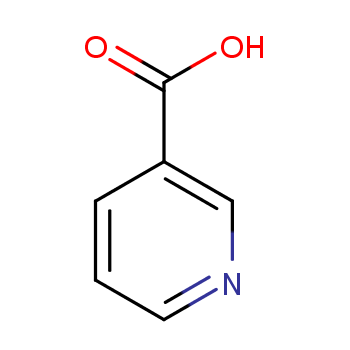
Niacin offers several health benefits, particularly in supporting cardiovascular health, improving cholesterol levels, and enhancing skin health. Below are some of the key benefits:
- Cholesterol Management: Niacin is known for its ability to improve cholesterol levels. It raises high-density lipoprotein (HDL) cholesterol, which helps remove excess cholesterol from the blood, while also lowering low-density lipoprotein (LDL) cholesterol and triglycerides. These effects contribute to a reduced risk of heart disease.
- Improves Skin Health: Niacinamide, a form of niacin, is commonly used in skincare products for its anti-inflammatory properties. It helps treat acne, reduce skin redness, and improve the skin's barrier function, making it beneficial for various skin conditions.
- Boosts Brain Function: Niacin plays a role in cognitive function and brain health. It helps protect nerve cells and supports brain function, potentially reducing the risk of neurodegenerative diseases like Alzheimer's.
- Energy Production: Niacin is vital for converting food into energy by aiding in the metabolism of carbohydrates, fats, and proteins. This makes it essential for maintaining energy levels throughout the day.
Example: Niacin supplements are often recommended to patients with hyperlipidemia (high cholesterol) as part of a heart-healthy regimen.
Safety and Potential Side Effects
While niacin offers significant health benefits, it is important to consider safety and the potential for side effects, particularly when taken in high doses:
- Niacin Flush: One of the most common side effects of niacin supplementation is "niacin flush." This occurs when high doses of niacin cause blood vessels to widen, resulting in redness, warmth, and tingling of the skin. Although generally harmless, it can be uncomfortable.
- Liver Toxicity: High doses of niacin, particularly in the form of extended-release supplements, can lead to liver toxicity over time. Monitoring liver function is important for individuals taking niacin at therapeutic doses for cholesterol management.
- Gastrointestinal Issues: Niacin can cause nausea, indigestion, and stomach upset in some individuals, especially when taken on an empty stomach or at high doses.
- Blood Sugar Effects: In some cases, high doses of niacin can raise blood sugar levels, which may be of concern for individuals with diabetes or insulin resistance.
Important Note: It is advisable to consult a healthcare professional before taking high doses of niacin, especially if you have underlying health conditions or are on other medications.
Recommended Dosage and Usage
Niacin can be obtained from both dietary sources and supplements. The recommended daily allowance (RDA) of niacin varies based on age, sex, and health conditions:
- For Adults: The RDA for niacin is 16 mg for men and 14 mg for women. Pregnant and breastfeeding women may need slightly higher amounts.
- Therapeutic Doses: In cases where niacin is used for cholesterol management, therapeutic doses ranging from 500 mg to 2,000 mg per day may be prescribed. However, such high doses should only be taken under medical supervision.
- Niacin in Foods: Foods rich in niacin include turkey, chicken, peanuts, and whole grains. Eating a balanced diet is usually sufficient to meet the body's niacin needs.
Tip: To minimize side effects like flushing, take niacin with food, and opt for extended-release formulations if recommended by your healthcare provider.
Conclusion
Niacin is a versatile vitamin with important benefits for heart health, skin care, and overall energy metabolism. While it offers many advantages, especially in managing cholesterol levels, it is important to use it safely and under the guidance of a healthcare provider when taking higher doses. Maintaining a balanced diet rich in niacin-containing foods can help support your body's health naturally.




 EN
EN
 Agricultural News
 Food News
 Industrial News
 Cosmetic News
 Pharmaceutical News
 Science News

 1YR
1YR

