-
We detected your language preference as English. Would you like to switch to the English version for a better experience?
Switch to English
Stay here



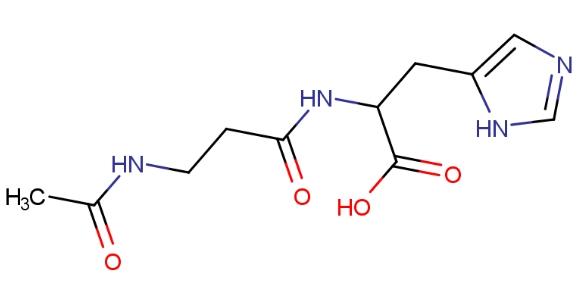
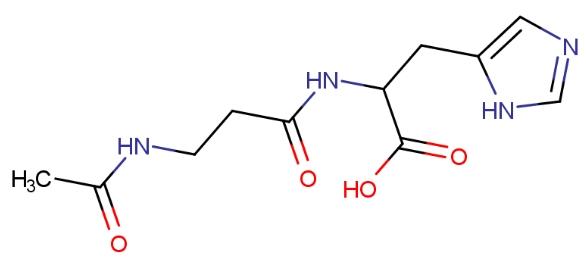
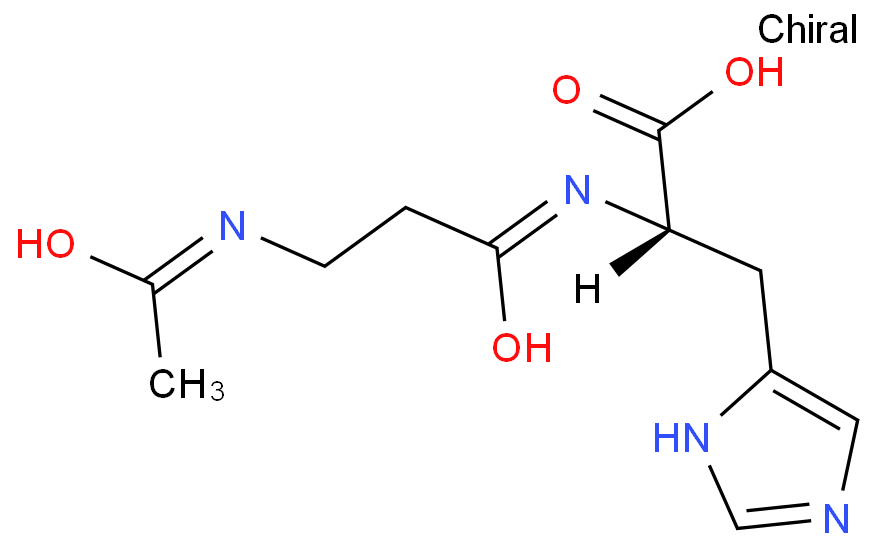
N-Acetyl-carnosine (NAC), with the molecular formula C11H16N4O4, is a naturally occurring antioxidant found in human muscle tissue. It has been reported to be developed into eye drops for cataract treatment. N-Acetyl-carnosine is a derivative of the dipeptide carnosine, with a structure similar to carnosine but with an additional acetyl group. Known for its ability to penetrate the eye's anterior chamber and convert into carnosine, NAC is present in various tissues, particularly muscle. These compounds act as free radical scavengers to varying degrees. NAC is believed to be especially effective against lipid peroxidation in different parts of the eye's lens. It is used in eye drops and marketed as a dietary supplement (not a drug) for cataract prevention and treatment. There is limited evidence regarding its safety and no convincing proof of its impact on eye health. The structure of N-Acetyl-carnosine is as follows:
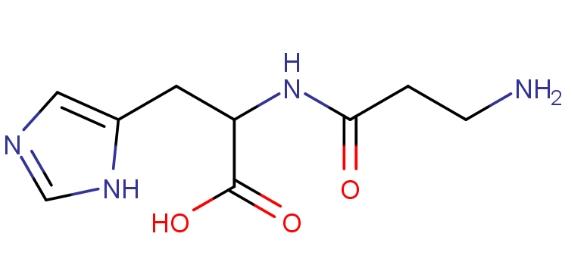
L-Carnosine (β-alanylhistidine) is a dipeptide molecule composed of β-alanine and histidine. It is highly concentrated in muscle and brain tissues. Discovered by Russian chemist Vladimir Gulevich, L-carnosine is naturally produced in the human liver. Its name is derived from "carn," meaning "meat," indicating its prevalence in meat, as L-carnosine is not found in plants. L-carnosine is available as a synthetic nutritional supplement.
Since its discovery in 1900, exogenous L-carnosine has been shown to possess multiple therapeutic effects, including anti-aging, anticancer, and anti-cataract properties. Various methods have measured its direct antioxidant radical-scavenging properties. Indirect antioxidant assays have been conducted using bovine lens homogenate and human lens epithelial cells. L-carnosine’s anti-cataract effect has been studied by incubating whole pig lenses in high-galactose media. MTT cytotoxicity assays on human lens epithelial cells have shown that L-carnosine is an effective antiglycating agent, offering prospects for new methods to treat diabetic cataracts and other glycation-related diseases. The structure of L-carnosine is as follows:
Carnosine, as an endogenous dipeptide, is noted for its anti-aging properties. Among its common forms are L-carnosine and N-acetyl-carnosine. L-carnosine (β-alanylhistidine) is a dipeptide naturally occurring in vertebrates, shown to have positive effects on delaying cellular aging. N-acetyl-carnosine, an acetylated derivative of L-carnosine, differs in physiological functions and pharmacological properties. Key differences include:
Metabolism: L-carnosine can be degraded by carnosinase in the body. N-acetyl-carnosine, due to the protective acetyl group, is less sensitive to carnosinase, thus having a longer half-life in the body.
Drug Delivery: N-acetyl-carnosine has lower hydrophobicity, making it easier to penetrate cell membranes, enhancing its potential application in treating eye diseases. Studies show that N-acetyl-carnosine can act as a prodrug for L-carnosine, releasing L-carnosine after enzymatic hydrolysis in the eye to achieve therapeutic effects.
Treatment Applications: Currently, N-acetyl-carnosine eye drops are more common. Studies indicate that both L-carnosine and N-acetyl-carnosine effectively reduce lens opacity when applied directly to the eye, offering new approaches to cataract treatment.
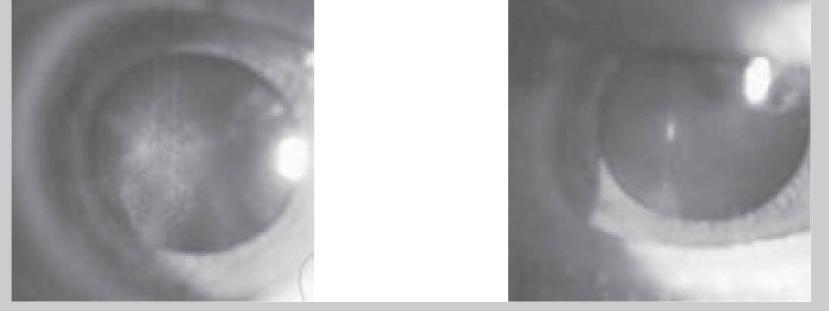
Cataracts are often caused by oxidative stress. L-carnosine is known to have antioxidant properties against cataract lenses, making it reasonable to explore L-carnosine as a drug to reverse or prevent cataract progression. However, L-carnosine cannot penetrate the eye when used as eye drops. N-acetyl-carnosine (NAC), when applied to the surface of the eye, can penetrate the cornea and reach the anterior chamber near the cataract, where it metabolizes into L-carnosine. Thus, NAC eye drops might reverse or prevent cataract progression, improving vision and quality of life.
L-carnosine is sold as a prodrug in the form of 1% N-acetyl-carnosine eye drops. Research shows that N-acetyl-carnosine undergoes dose-dependent hydrolysis within 15-30 minutes after application to the rabbit lens, releasing carnosine into the anterior chamber. These eye drops are considered promising for treating or preventing age-related cataracts in humans and show good ocular tolerance, lasting up to 6 to 9 months. Topical application of NAC (2% w/w) can improve lens opacity in dogs with immature cataracts or nuclear sclerosis, with less effect on mature cataracts or cataracts associated with intraocular inflammation.
Understanding the Difference: N-acetyl-carnosine and N-acetyl-cysteine (NAC) are often confused due to their similar names. Although both contain an acetyl group, their structures and functions differ significantly. N-acetyl-carnosine is a derivative of carnosine, a natural compound, and is noted for its potential role in eye health, especially in cataract treatment.
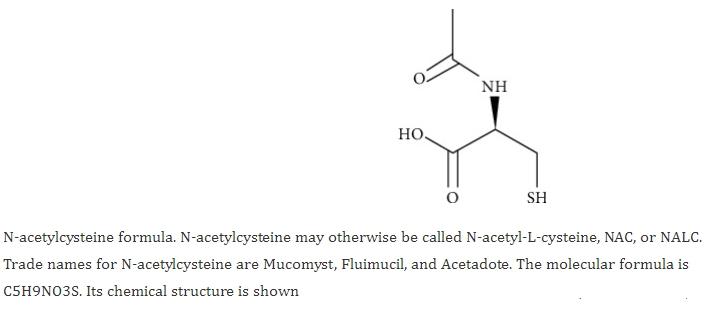
N-acetyl-cysteine (NAC) is a thiol-containing compound with mucolytic properties, patented in 1960 and first reported in medical use in 1967. Its chemical structure and naming are shown in the figure. Since 1969, NAC has been used clinically for cystic fibrosis, and its applications have expanded to include acetaminophen overdose and chronic obstructive pulmonary disease. NAC is also used as an adjunct treatment for various diseases, including polycystic ovary syndrome, male infertility, sleep apnea, acquired immune deficiency syndrome, influenza, Parkinson's disease, multiple sclerosis, peripheral neuropathy, post-stroke sequelae, diabetic neuropathy, Crohn's disease, ulcerative colitis, schizophrenia, bipolar disorder, and obsessive-compulsive disorder, as well as a chelator for heavy metals and nanoparticles. While many other diseases might benefit, evidence is less substantial.
N-acetyl-carnosine is preferred for eye health due to its unique characteristics. Unlike N-acetyl-cysteine, it can penetrate the eye and convert to carnosine within the lens. Carnosine is known for its antioxidant and anti-inflammatory effects, making it a potential ally in combating cataract formation. Studies suggest that N-acetyl-carnosine may help slow down or even reverse cataract progression, offering a non-surgical approach to treating this common eye condition.
N-acetyl-carnosine and L-carnosine, as structurally similar dipeptides, have distinct physiological functions. N-acetyl-carnosine offers stronger antioxidant and neuroprotective effects, while L-carnosine excels in anti-fatigue and enhancing physical performance.
For individuals, the suitability of either form of carnosine depends on personal health conditions, age, lifestyle, and other factors. It is advisable to consult a physician or a professional nutritionist for personalized recommendations. They can provide guidance on the most appropriate form of carnosine supplement and dosage based on your specific needs. Additionally, when choosing carnosine supplements, consider the product’s purity, content, and safety, opting for products from reputable manufacturers and following the instructions provided.
[1]https://www.ncbi.nlm.nih.gov/pmc/articles/PMC5086400/
[2]https://www.ncbi.nlm.nih.gov/pmc/articles/PMC8211525/
[3]https://www.ncbi.nlm.nih.gov/pmc/articles/PMC6464029/
[4]https://pubmed.ncbi.nlm.nih.gov/8894306/
[5]https://www.eurekaselect.com/article/135
[6]https://en.wikipedia.org/wiki/
[7]https://www.sciencedirect.com/science/article/abs/pii/0009898196063565
[8]https://www.cochranelibrary.com/cdsr/doi/10.1002/14651858.CD009493.pub2/full
[9]https://custommedicine.com.au/health-articles/natural-cataract-treatment/
|
 |
 |
 |
 |
|
 EN
EN
 Agricultural News
 Food News
 Industrial News
 Cosmetic News
 Pharmaceutical News
 Science News

 2YRS
2YRS

