-
We detected your language preference as English. Would you like to switch to the English version for a better experience?
Switch to English
Stay here




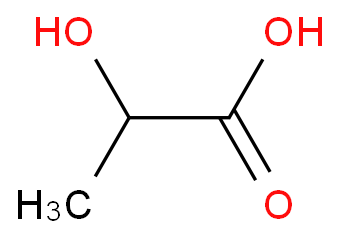
Lactic Acid, with the chemical formula C3H6O3 and CAS number 50-21-5, is an alpha-hydroxy acid (AHA) naturally found in milk and produced during fermentation processes. It is widely used in cosmetics and skin care for its exfoliating and moisturizing properties.
Glycolic Acid, with the chemical formula C2H4O3 and CAS number 79-14-1, is another alpha-hydroxy acid that is derived from sugarcane and used for its skin care benefits. Glycolic acid is known for its smaller molecular structure, which allows it to penetrate the skin more easily than other AHAs.
When comparing Lactic Acid vs Glycolic Acid, both compounds are known for their ability to exfoliate the skin and improve its appearance, but they have distinct properties that make them suitable for different skincare needs. While lactic acid is considered gentler and more hydrating, glycolic acid is more potent due to its smaller molecular size and faster absorption into the skin.


Both compounds are produced through different synthesis methods, with lactic acid being more commonly associated with natural fermentation processes, while glycolic acid is often synthesized for high-purity applications in skin care.
Lactic acid and glycolic acid are two prominent alpha hydroxy acids (AHAs) that offer unique benefits for skin care and other health applications. These compounds are widely used in the cosmetic industry for their ability to exfoliate the skin, improve skin texture, and treat various skin conditions such as acne, hyperpigmentation, and aging signs. They are also employed in other industries for their chemical properties and effects.

Lactic acid, with its molecular structure (C3H6O3), is derived from milk and is known for its mild exfoliating properties. It works by loosening dead skin cells, allowing fresh skin to surface, making it an effective treatment for dull, dry, and uneven skin tone. Lactic acid is particularly beneficial for sensitive skin because of its hydrating effects, making it a gentle exfoliant compared to stronger AHAs like glycolic acid. It is commonly found in chemical peels, serums, and lotions, targeting fine lines, wrinkles, and sun damage.
When used regularly, lactic acid can help to reduce the appearance of fine lines, improve the skin’s natural moisture barrier, and increase overall skin brightness. It is often included in formulations for individuals with dry or sensitive skin, as it promotes moisture retention while removing dead cells. This makes it ideal for people looking for smoother, more youthful skin without the irritation associated with more potent exfoliants.
Glycolic acid (C2H4O3), being a smaller molecule, penetrates the skin more deeply than lactic acid and is often considered a more potent exfoliant. It is frequently used to treat acne, hyperpigmentation, and fine lines, as it speeds up cell turnover and stimulates collagen production. Glycolic acid's ability to reach deeper layers of the skin makes it highly effective for combating signs of aging, such as wrinkles and sagging skin.
Similar to lactic acid, glycolic acid exfoliates the skin but with a stronger effect, making it suitable for those with oily or acne-prone skin. Its powerful exfoliation helps unclog pores, reduce blackheads, and diminish acne scars over time. Furthermore, glycolic acid is used in professional chemical peels to provide significant rejuvenation benefits. The compound can effectively treat sun damage, improving skin texture and tone, giving a more radiant and even complexion.
When it comes to deciding between lactic acid vs glycolic acid for skin care, it ultimately depends on your skin type and concerns. Lactic acid is more hydrating and gentle, making it suitable for those with sensitive, dry, or dehydrated skin. Its exfoliating effect is more gradual, providing a smoother appearance without the risk of irritation. On the other hand, glycolic acid is more potent, making it the ideal choice for individuals with oily or acne-prone skin. It offers deeper penetration and faster results, particularly for issues such as deep wrinkles or severe acne scars.
For individuals with combination skin or specific concerns like pigmentation and acne, both acids can be alternated in a skincare routine. However, due to their different strengths, it’s important to use them correctly to avoid over-exfoliating or irritating the skin. In many cases, professionals recommend starting with a milder concentration of either lactic or glycolic acid and gradually increasing it to assess how the skin reacts. Both acids, when used properly, can significantly improve skin texture, tone, and overall appearance.
| Drawback |
Lactic Acid |
Glycolic Acid |
|---|---|---|
| Skin Sensitivity | Rare, but may cause irritation in individuals with very sensitive skin | More common, can cause redness, stinging, or irritation, especially in high concentrations |
| Photosensitivity | May increase sensitivity to sunlight | Can significantly increase skin's sensitivity to the sun, necessitating sun protection |
| Overuse | Overuse can lead to dryness or peeling of the skin | Overuse can cause skin thinning or excessive irritation |
If you're looking to purchase these compounds, Guidechem is your go-to platform for sourcing high-quality raw materials and reliable suppliers. With our extensive global network, we connect you to a wide range of Lactic Acid suppliers and Glycolic Acid suppliers, ensuring you find the right products to meet your specific research or production requirements. Whether you're in pharmaceuticals, food additives, or other industries, Guidechem simplifies the sourcing process, offering verified supplier information, competitive pricing, and seamless communication.
[1]Cosmetic Dermatology: Principles and Practice by M. L. Tretter.
[3]Understanding the Benefits of Glycolic Acid for Anti-Aging
|
 |
 |
 |
 |
 EN
EN
 Agricultural News
 Food News
 Industrial News
 Cosmetic News
 Pharmaceutical News
 Science News

 1YR
1YR

