-
We detected your language preference as English. Would you like to switch to the English version for a better experience?
Switch to English
Stay here




Glycolic Acid, with the chemical formula C2H4O3 and CAS number 79-14-1, is an alpha-hydroxy acid (AHA) commonly used in skincare products due to its ability to exfoliate the skin by removing dead cells, promoting skin renewal.
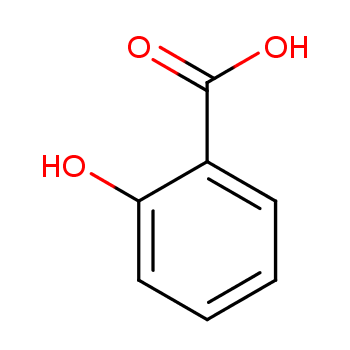
Salicylic Acid, with the chemical formula C7H6O3 and CAS number 69-72-7, is a beta-hydroxy acid (BHA) used primarily for its deep penetration into pores, making it effective for treating acne and exfoliating the skin at a deeper level.
Glycolic vs Salicylic Acid: glycolic Acid and Salicylic Acid are both popular skincare ingredients, but they differ in their chemical structure and application. Glycolic Acid, being an AHA, is water-soluble and primarily works on the surface of the skin. In contrast, Salicylic Acid, a BHA, is oil-soluble and can penetrate deeper into the pores, making it particularly effective for oily and acne-prone skin.


Glycolic vs Salicylic Acid: what are the differences? Both acids are synthesized using different chemical processes that take advantage of their specific properties. While Glycolic Acid is typically derived from simpler chemical reactions involving ethylene glycol, Salicylic Acid is synthesized through more complex esterification or phenolic reactions.
What are the differences between salicylic vs glycolic acid? Both Glycolic Acid and Salicylic Acid are widely used in the skincare industry due to their exfoliating properties. However, their uses and effectiveness vary depending on the skin type and the desired result.

Glycolic Acid is widely used for its ability to exfoliate the skin's surface. It is effective in reducing fine lines, wrinkles, and dark spots by promoting skin cell turnover. Glycolic Acid is commonly found in chemical peels, cleansers, and toners due to its ability to improve skin texture and tone. It is also used to treat hyperpigmentation, making it a popular ingredient in anti-aging skincare products.
One of the key applications of Glycolic Acid is in its ability to treat dry, dull skin. By exfoliating dead skin cells and promoting collagen production, it helps rejuvenate the skin, making it look more youthful and radiant. Glycolic Acid is also often used in products that target acne scars, as its exfoliating action can help fade these marks over time.
Salicylic Acid, on the other hand, is particularly effective for treating acne. Its oil-soluble nature allows it to penetrate deep into the pores, where it helps to clear blockages and prevent breakouts. Salicylic Acid is often included in cleansers, spot treatments, and masks designed for acne-prone skin. It helps to reduce inflammation and can prevent the formation of blackheads and whiteheads by exfoliating inside the pores.
In addition to its acne-fighting properties, Salicylic Acid is beneficial for individuals with oily skin, as it helps regulate sebum production. It is often included in products designed to treat oily skin and promote a clearer complexion. Salicylic Acid is also used to treat conditions like dandruff and seborrheic dermatitis due to its antifungal and anti-inflammatory properties.
While both Glycolic Acid and Salicylic Acid are exfoliants, they serve different purposes in skincare. Glycolic Acid is best suited for improving the overall appearance of the skin, particularly in the treatment of fine lines, hyperpigmentation, and skin texture. It is a go-to ingredient for anti-aging products and general skin rejuvenation.
On the other hand, Salicylic Acid is the preferred choice for individuals dealing with acne, oily skin, and clogged pores. Its ability to penetrate deep into the skin and clear out excess oil and debris makes it an excellent solution for preventing and treating breakouts. It is commonly included in acne-focused products, such as cleansers, toners, and spot treatments.
In conclusion, Glycolic Acid and Salicylic Acid both offer unique benefits for skin health. Glycolic Acid is more suitable for general exfoliation, improving skin texture, and treating signs of aging, while Salicylic Acid is highly effective for acne treatment and deep pore cleansing. Choosing between Glycolic vs Salicylic Acid depends on your skin type and concerns, with Glycolic Acid being ideal for dry, aging skin and Salicylic Acid better suited for oily or acne-prone skin.
| Side Effect |
Glycolic Acid |
Salicylic Acid |
|---|---|---|
| Skin Irritation | Possible, especially for sensitive skin | Possible, can cause dryness or peeling |
| Sun Sensitivity | Can increase sensitivity to the sun | Can increase sensitivity to the sun |
| Overuse Effects | Excessive use may cause redness or irritation | Excessive use may cause dryness and irritation |
If you're looking to purchase these compounds, Guidechem is your go-to platform for sourcing high-quality raw materials and reliable suppliers. With our extensive global network, we connect you to a wide range of Glycolic Acid?suppliers and Salicylic Acid?suppliers, ensuring you find the right products to meet your specific research or production requirements. Whether you're in pharmaceuticals, food additives, or other industries, Guidechem simplifies the sourcing process, offering verified supplier information, competitive pricing, and seamless communication.
[1]Skin Benefits of Glycolic Acid in Dermatology by A. K. Harrison.
[2]Salicylic Acid in Acne Treatment by L. P. Turner.
[3]Comparison of AHA and BHA in Exfoliating Agents in Journal of Dermatological Science.
[4]The Efficacy of Salicylic Acid in Treating Oily Skin in Cosmetic Dermatology Journal.
 |
 |
 |
 |
 |
 |
 EN
EN
 Agricultural News
 Food News
 Industrial News
 Cosmetic News
 Pharmaceutical News
 Science News

 15YRS
15YRS

