-
We detected your language preference as English. Would you like to switch to the English version for a better experience?
Switch to English
Stay here




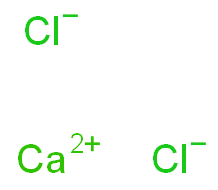
Calcium Chloride, with the chemical formula CaCl2 and CAS number 10043-52-4, is a highly effective deicer that operates at temperatures lower than most competing products. Known for its ability to extract moisture from its surroundings and produce exothermic reactions, it is significantly more effective than sodium chloride for melting ice and snow.
Sodium Chloride, with the chemical formula NaCl and CAS number 7647-14-5, is the most commonly used deicing agent. Sodium chloride works by lowering the freezing point of water, but it is less effective than calcium chloride, especially at lower temperatures.
While both compounds serve the same general purpose of deicing and improving road safety in winter, their effectiveness, environmental impact, and cost differ significantly. Calcium chloride is often preferred in more extreme weather conditions due to its superior performance and environmental friendliness. In contrast, sodium chloride is widely available and more affordable, making it a popular choice for general use.


Both compounds are simple ionic salts, but the key difference lies in their synthesis—calcium chloride is derived primarily from limestone, while sodium chloride is commonly sourced from seawater or underground deposits.
Both calcium chloride and sodium chloride are widely used as deicers, but they differ significantly in their performance, environmental impact, and cost-effectiveness. Understanding these differences is crucial when choosing between calcium chloride and sodium chloride ice melt for specific applications.

Calcium chloride is an excellent choice for ice melting due to its ability to lower the freezing point of water to much lower temperatures than sodium chloride. It can function effectively at temperatures as low as -25 °F (-32 °C), making it ideal for extreme winter conditions. Additionally, calcium chloride generates heat through exothermic reactions, which helps to accelerate the melting process, even in extremely cold temperatures.
In addition to its performance, calcium chloride offers environmental and structural advantages over sodium chloride. It is less likely to cause damage to concrete surfaces or corrode metal, reducing long-term maintenance costs. Moreover, calcium chloride is less harmful to surrounding vegetation and ecosystems, making it a more eco-friendly option. When comparing calcium chloride vs sodium chloride for melting ice, calcium chloride is the preferred choice for areas with severe winters and environmental concerns, despite its higher initial cost.
Sodium chloride, commonly known as rock salt, is the most widely used deicer due to its affordability and easy availability. It is effective for melting ice and snow at temperatures above 15 °F (-9 °C), making it suitable for milder winter conditions. Because of its low cost, sodium chloride is often the go-to choice for large-scale applications such as highways and parking lots.
However, sodium chloride has notable drawbacks. It becomes significantly less effective at lower temperatures, requiring frequent reapplications during prolonged cold spells. Additionally, sodium chloride is corrosive and can damage concrete, metal infrastructure, and nearby plant life when overused. Its runoff can lead to environmental degradation, contaminating water systems and harming vegetation. When evaluating calcium chloride vs sodium chloride ice melt, sodium chloride remains the economical option for general use but falls short in harsh weather and environmentally sensitive areas.
In summary, both calcium chloride and sodium chloride are effective ice melters, but calcium chloride is superior for extreme cold and is less harmful to the environment. While sodium chloride is more affordable and widely available, it is less effective in very low temperatures and can cause long-term damage to surfaces and plant life. Calcium chloride is the better option for those needing reliable performance in harsh winter conditions, while sodium chloride remains a cost-effective solution for less severe weather.
| Side Effect |
Calcium Chloride |
Sodium Chloride |
|---|---|---|
| Corrosiveness | Less corrosive to metal and concrete | Can cause damage to concrete, metal, and plants |
| Environmental Impact | Less harmful to the environment and vegetation | Can harm plant life and local ecosystems |
| Cost | More expensive than sodium chloride | Less expensive, widely available |
When choosing the right deicing agent, it’s crucial to consider your specific needs, the environmental impact, and the conditions in which it will be used. Calcium chloride offers superior performance in extreme cold, as it is effective at much lower temperatures and works faster due to its exothermic properties. Additionally, it is less damaging to concrete, metal, and vegetation, making it a preferred choice for areas where infrastructure and the environment are concerns. However, it is more expensive, which could be a limiting factor for large-scale or repeated applications.
In contrast, sodium chloride is more cost-effective and widely available, making it suitable for general use in milder winter conditions. While it does not perform as well in extremely low temperatures, it is a budget-friendly option for deicing roads, sidewalks, and other surfaces. However, its corrosive nature and potential to harm plant life and infrastructure should be considered, especially in areas requiring long-term deicing solutions.
Ultimately, if you need high-performance deicing in extreme cold and want to minimize environmental impact, calcium chloride is the superior choice. However, if cost and availability are a priority, sodium chloride remains a practical and widely-used option, despite its limitations in severe weather conditions.
*For optimal results and to ensure you select the appropriate deicing agent for your needs, it is highly recommended to consult local guidelines and environmental standards. These can help you determine the best material based on your location and specific application requirements.
If you're looking to purchase these compounds, Guidechem is your go-to platform for sourcing high-quality raw materials and reliable suppliers. With our extensive global network, we connect you to a wide range of Calcium Chloride suppliers and Sodium Chloride suppliers, ensuring you find the right products to meet your specific research or production requirements. Whether you're in pharmaceuticals, food additives, or other industries, Guidechem simplifies the sourcing process, offering verified supplier information, competitive pricing, and seamless communication.
[1]Deicing: Calcium Chloride vs. Sodium Chloride by J. P. Green
[2]Winter Road Maintenance and the Use of Ice Melt in Journal of Road Safety.
[3]Environmental Impact of Deicing Agents by L. M. Taylor
[4]Comparative Study on Ice Melting Effectiveness in Environmental Chemistry.
 |
|
 |
 |
 |
|
 EN
EN
 Agricultural News
 Food News
 Industrial News
 Cosmetic News
 Pharmaceutical News
 Science News

 1YR
1YR

